

Companion plant layout ideas focus on pairing plants that naturally support each other’s growth while creating a productive and visually pleasing garden. By grouping compatible plants together, you can improve soil health, deter pests, attract beneficial insects, and maximize space.
Common layouts include planting tall crops like corn or trellised beans alongside low-growing plants such as squash or lettuce to provide shade and ground coverage. Herbs like basil, marigold, and dill can be interplanted among vegetables to repel pests and boost flavor. Raised beds work especially well for companion planting, allowing you to organize plants in rows, blocks, or circular patterns for easy access and balance.
Flower borders around vegetable beds add color while supporting pollinators. Thoughtful companion plant layouts create healthier gardens, higher yields, and a more harmonious growing environment that blends beauty with functionality.
1. Tomato and Basil Companion Bed
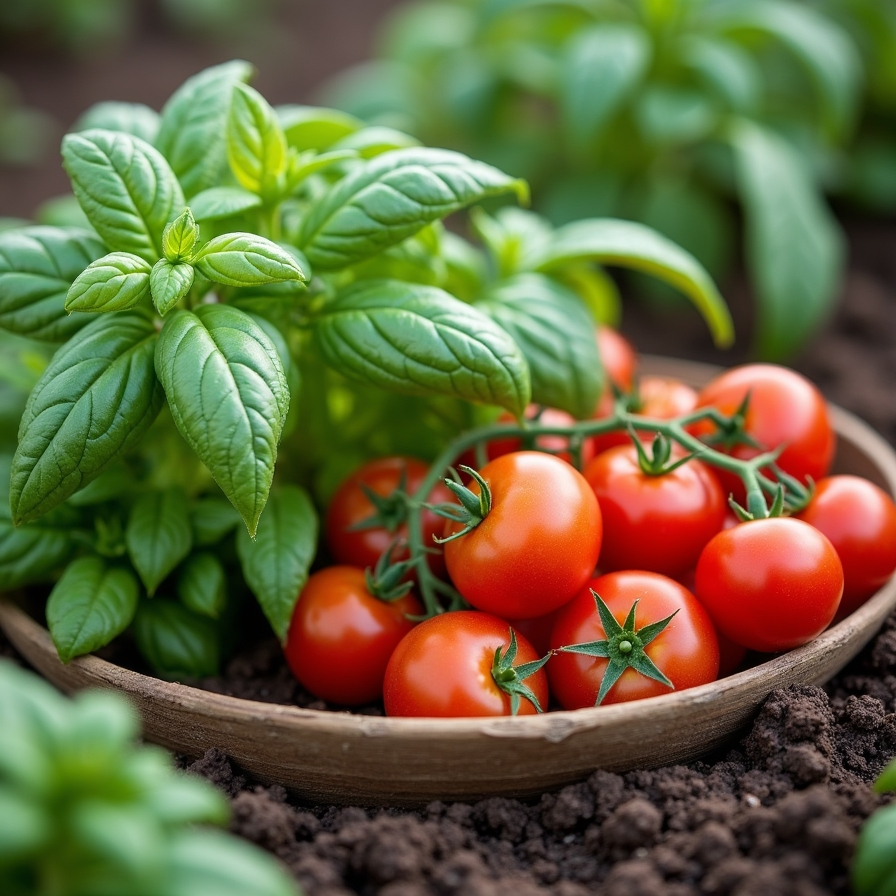
Tomatoes and basil are one of the most well-known and effective companion planting combinations. When grown together, basil naturally helps discourage common tomato pests such as aphids and hornworms. This reduces the need for chemical pest control while supporting healthier plants.
Beyond pest management, basil is believed to enhance the overall growth and flavor of tomatoes. Both plants thrive in similar soil conditions, enjoy full sunlight, and have compatible watering needs. Their growth habits also complement each other without excessive competition.
This pairing is frequently used in companion planting layouts because it improves plant vitality and increases harvest quality.
2. Corn, Beans, and Squash Three Sisters Garden
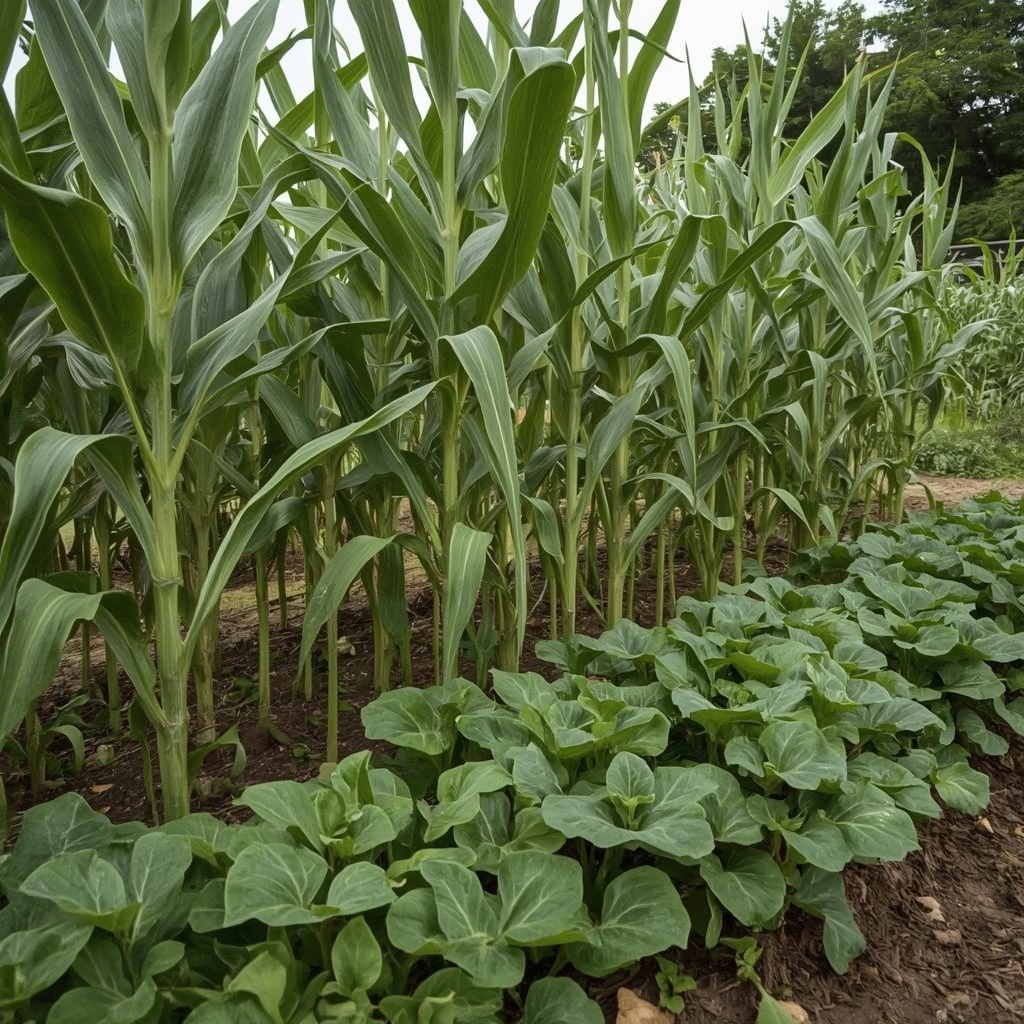
The Three Sisters planting method is a traditional system that brings together corn, beans, and squash in a mutually supportive layout. Corn grows tall and provides a natural structure for climbing beans. In return, beans fix nitrogen into the soil, enriching it for all three plants.
Squash spreads along the ground, acting as a living mulch that suppresses weeds and helps retain soil moisture. Together, these plants create a balanced ecosystem that supports growth, conserves resources, and improves soil health.
This layout remains a powerful example of sustainable companion planting used in modern gardens.
3. Carrot and Onion Shared Rows
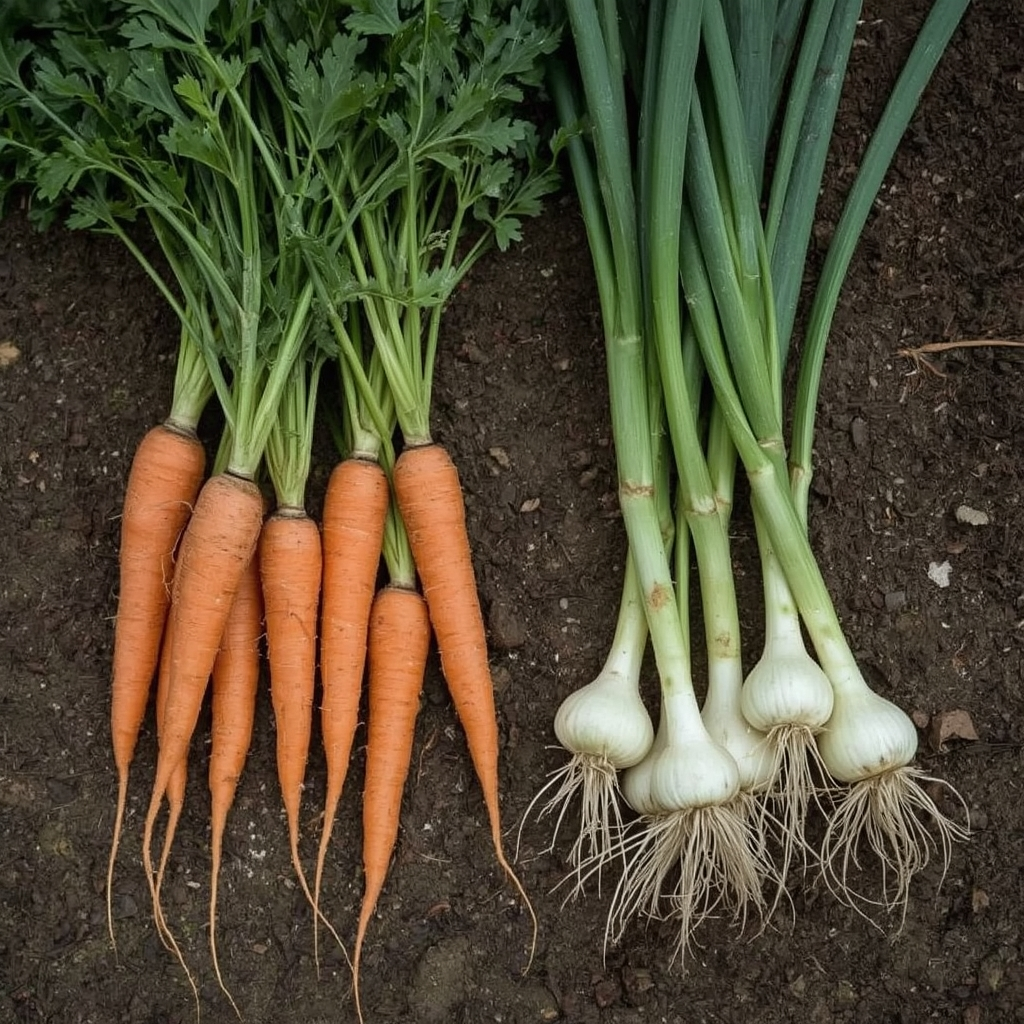
Carrots and onions grow well side by side because they help protect each other from pests. Their distinct scents confuse insects such as carrot flies and onion maggots, reducing damage to both crops.
These vegetables also grow at different soil depths, allowing them to coexist without competing heavily for nutrients or space. Carrots develop deeper roots, while onions remain closer to the surface.
This pairing adds natural protection and efficient space use to companion planting layouts.
4. Cabbage and Dill Growing Area
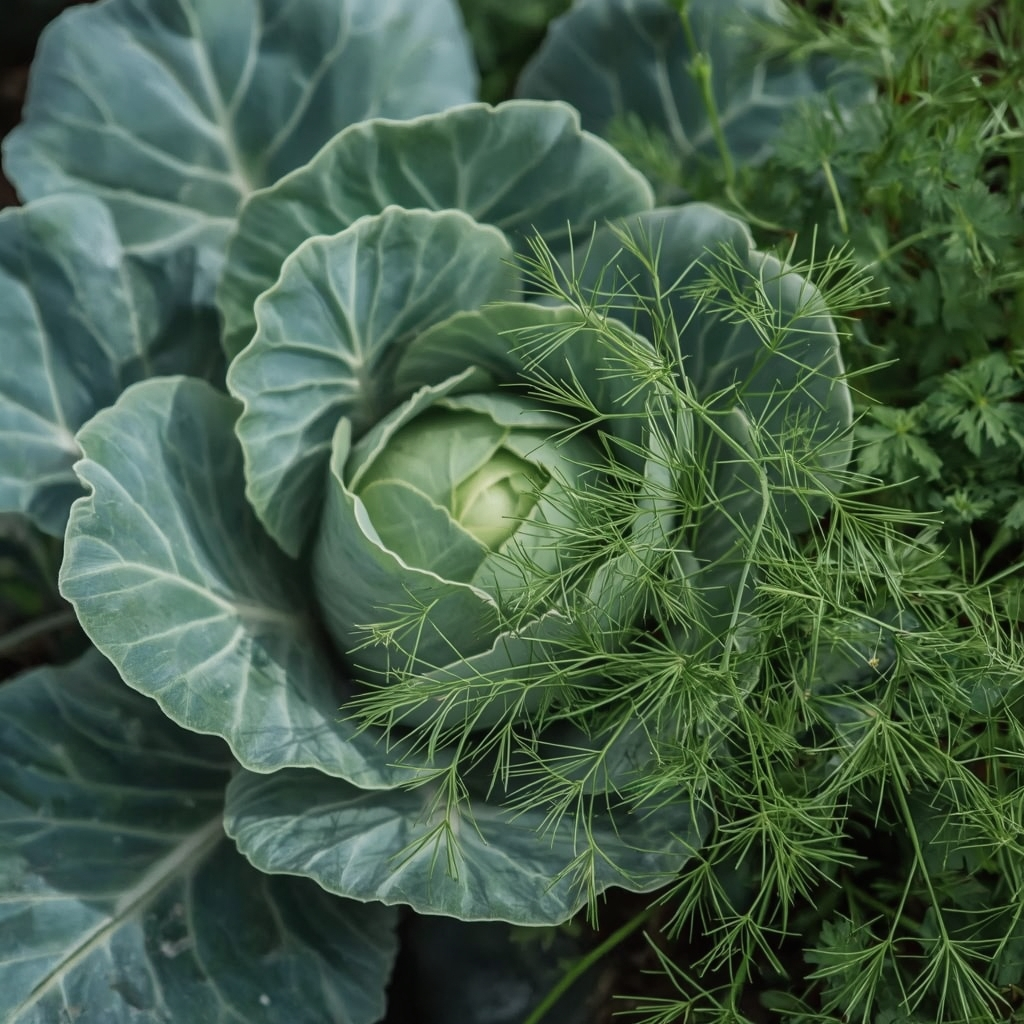
Dill is a valuable companion for cabbage and other brassicas. It attracts beneficial insects, including predatory wasps and ladybugs, which feed on pests that commonly attack cabbage.
In addition to pest control, dill contributes to a healthier garden environment by supporting biodiversity. Its presence helps create a balanced ecosystem that benefits nearby vegetables.
Including herbs like dill alongside cabbage strengthens natural pest management strategies in companion planting designs.
5. Lettuce and Chives Edge Planting
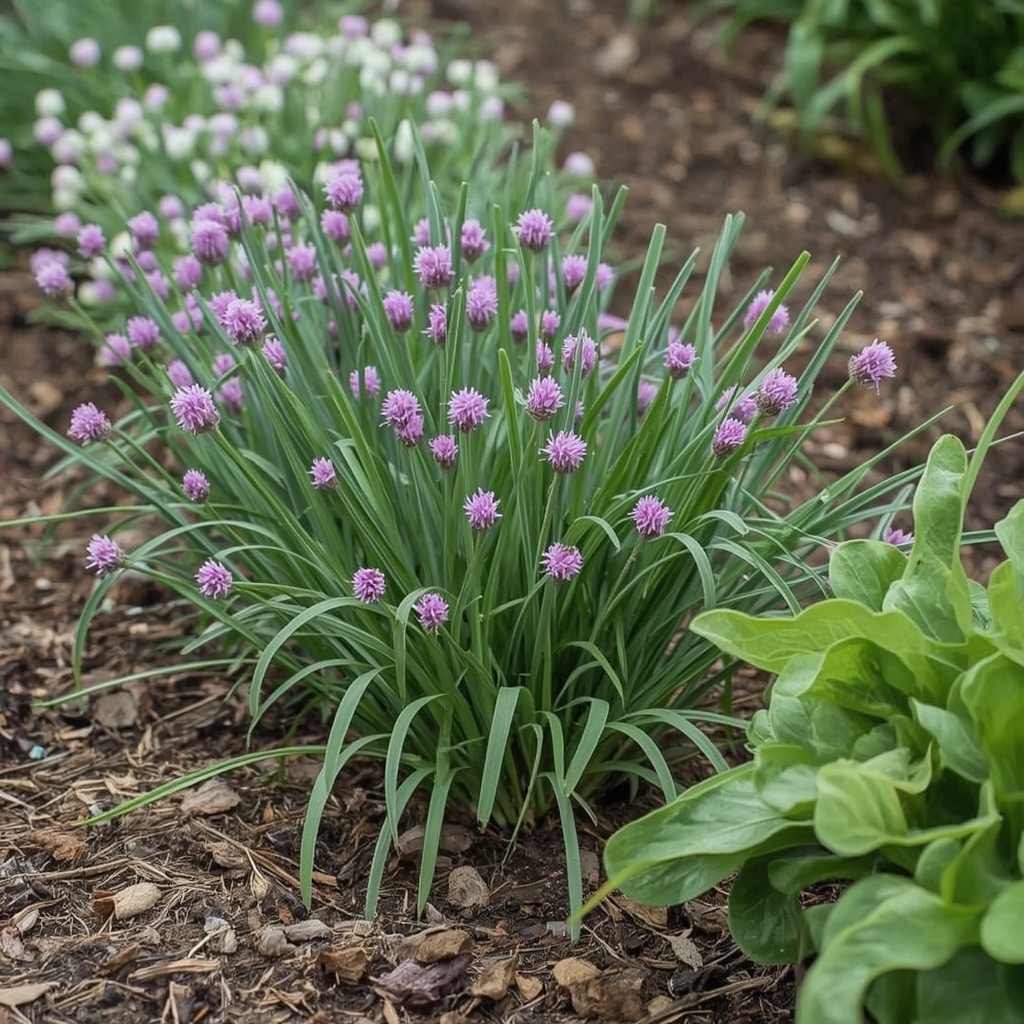
Chives are a helpful companion for lettuce, offering natural protection against aphids and other insects that often target leafy greens. Their strong aroma discourages pests without harming beneficial insects.
Lettuce provides ground coverage that helps keep soil cool and moist, benefiting both plants. This pairing works especially well along garden borders or raised bed edges.
It’s a practical combination for gardeners looking to maximize space while improving plant health.
6. Cucumber and Nasturtium Planting Corner
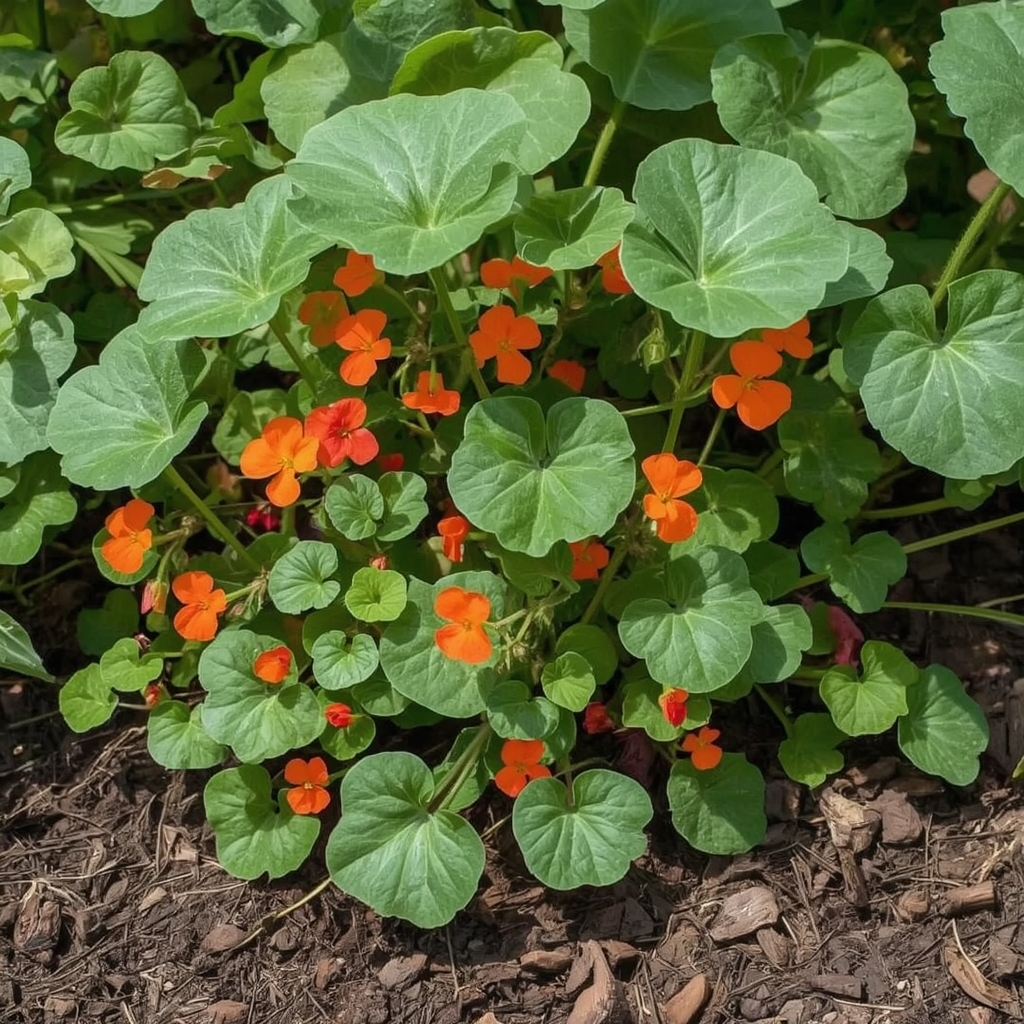
Nasturtiums serve as a trap crop when planted near cucumbers, drawing pests like aphids and beetles away from the main crop. At the same time, they attract pollinators that help increase cucumber yields.
Their spreading growth habit also helps shade the soil, reducing moisture loss and suppressing weeds. Cucumbers benefit from the improved pollination and reduced pest pressure.
This pairing combines protection and productivity in companion planting layouts.
7. Peas and Spinach Cool-Season Section
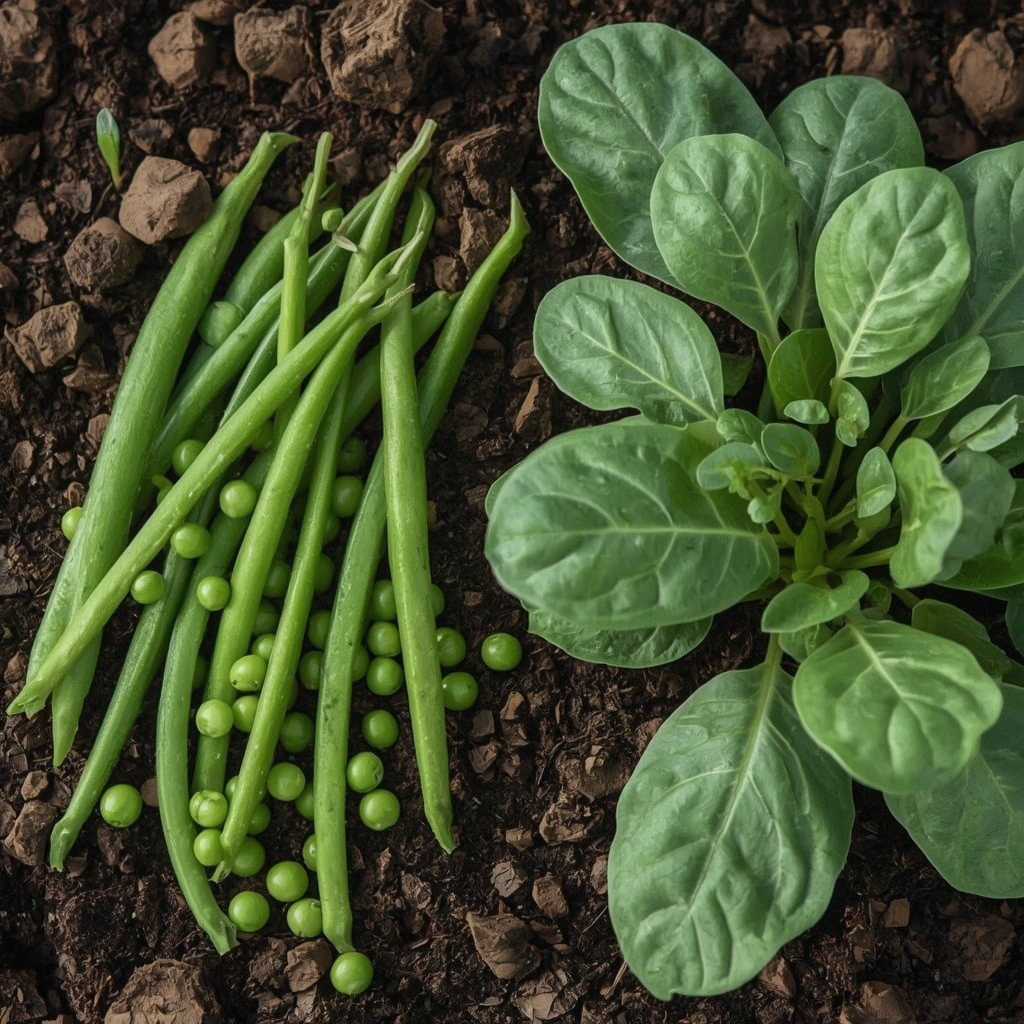
Peas and spinach are well-suited to grow together, especially in cooler weather. Peas naturally improve soil fertility by fixing nitrogen, which supports the leafy growth of spinach.
Both plants prefer similar temperatures and moisture levels, making them easy to manage in the same bed. Their growth cycles align well for early spring planting.
This combination is efficient, productive, and ideal for maximizing early-season harvests.
8. Broccoli and Celery Companion Pair
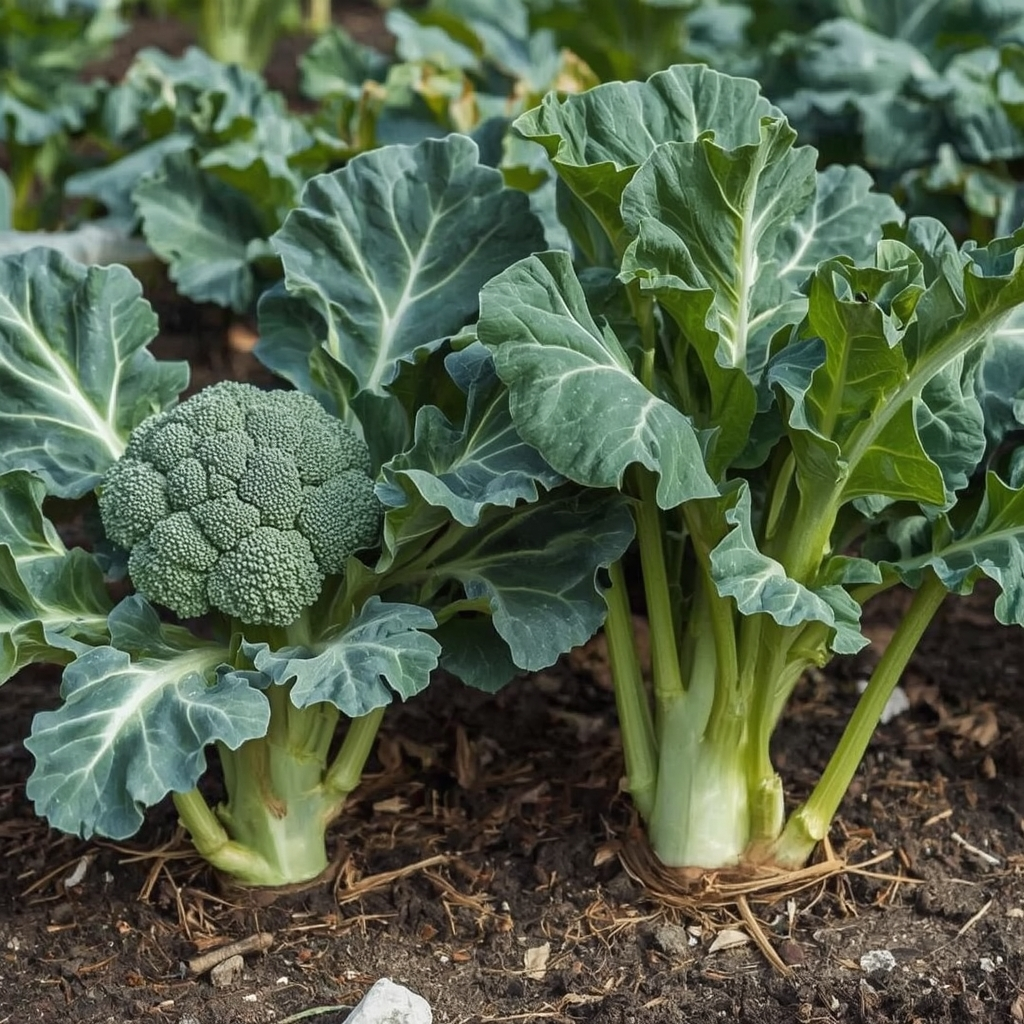
Celery offers natural protection for broccoli by helping repel pests such as cabbage moths. In return, broccoli provides partial shade that helps keep celery roots cool and moist.
Their growth patterns allow both plants to develop without overcrowding. Broccoli grows upward, while celery remains compact at ground level.
This pairing demonstrates how pest control and microclimate benefits can work together in companion planting.
9. Radish and Cucumber Mixed Strip
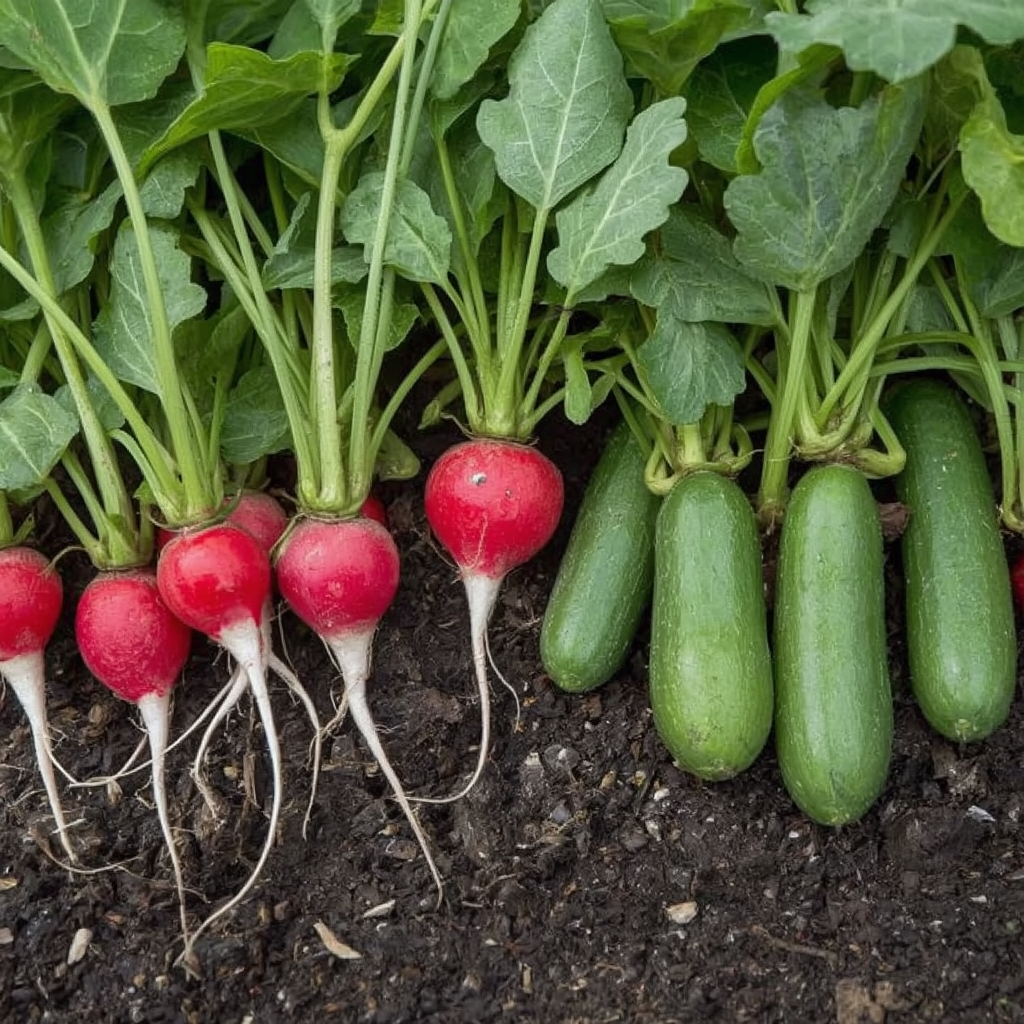
Radishes are fast-growing plants that pair well with slower-developing cucumbers. As radishes mature quickly, they help loosen the soil, improving aeration for cucumber roots.
They also act as a deterrent for cucumber beetles, offering early pest protection. By the time cucumbers need more space, radishes are usually ready to harvest.
This strategy improves soil structure and productivity within companion planting layouts.
10. Eggplant and Marigold Garden Zone
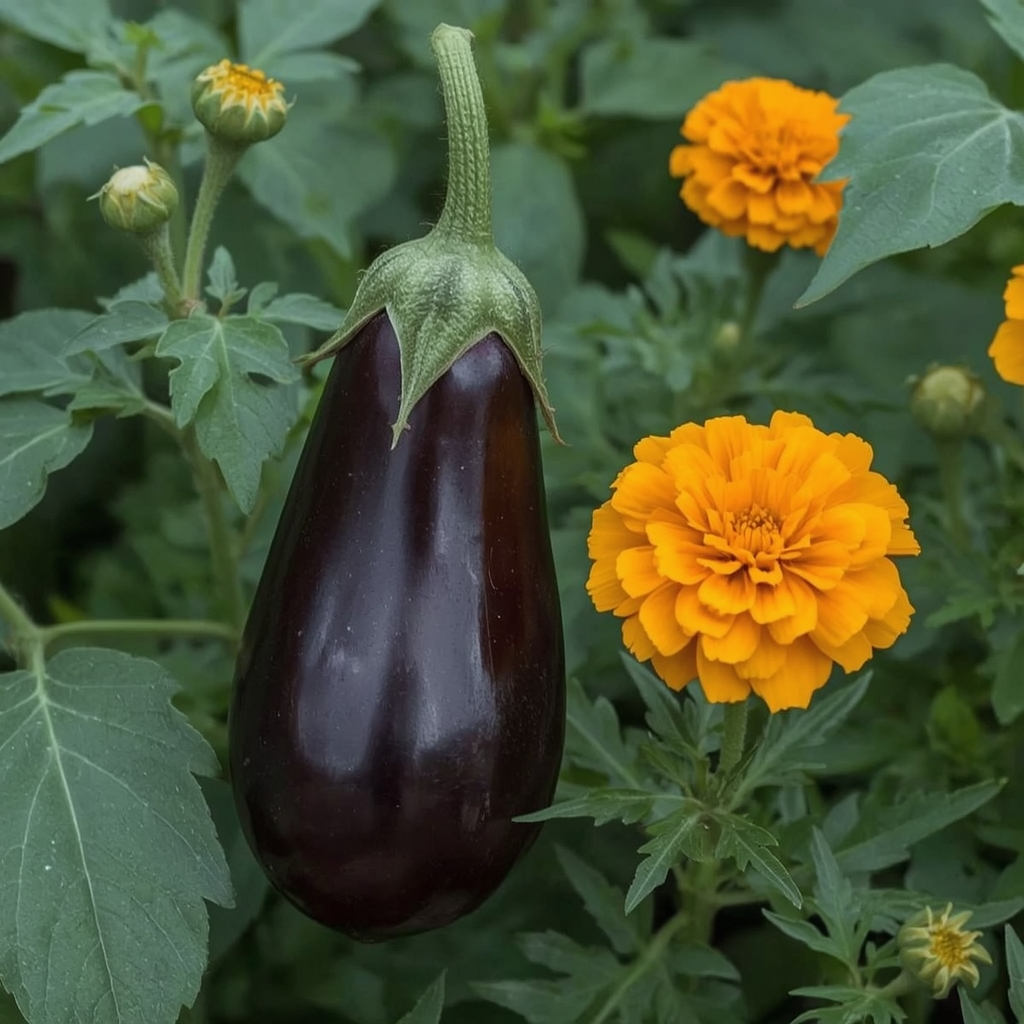
Marigolds are widely used in companion planting due to their ability to repel pests such as nematodes and whiteflies. When planted near eggplants, they help reduce insect pressure naturally.
Their bright blooms also attract beneficial insects and pollinators, contributing to a healthier garden environment. Eggplants benefit from reduced stress and improved growth conditions.
This pairing adds both visual appeal and practical pest management to garden layouts.
11. Zucchini and Borage Plant Cluster
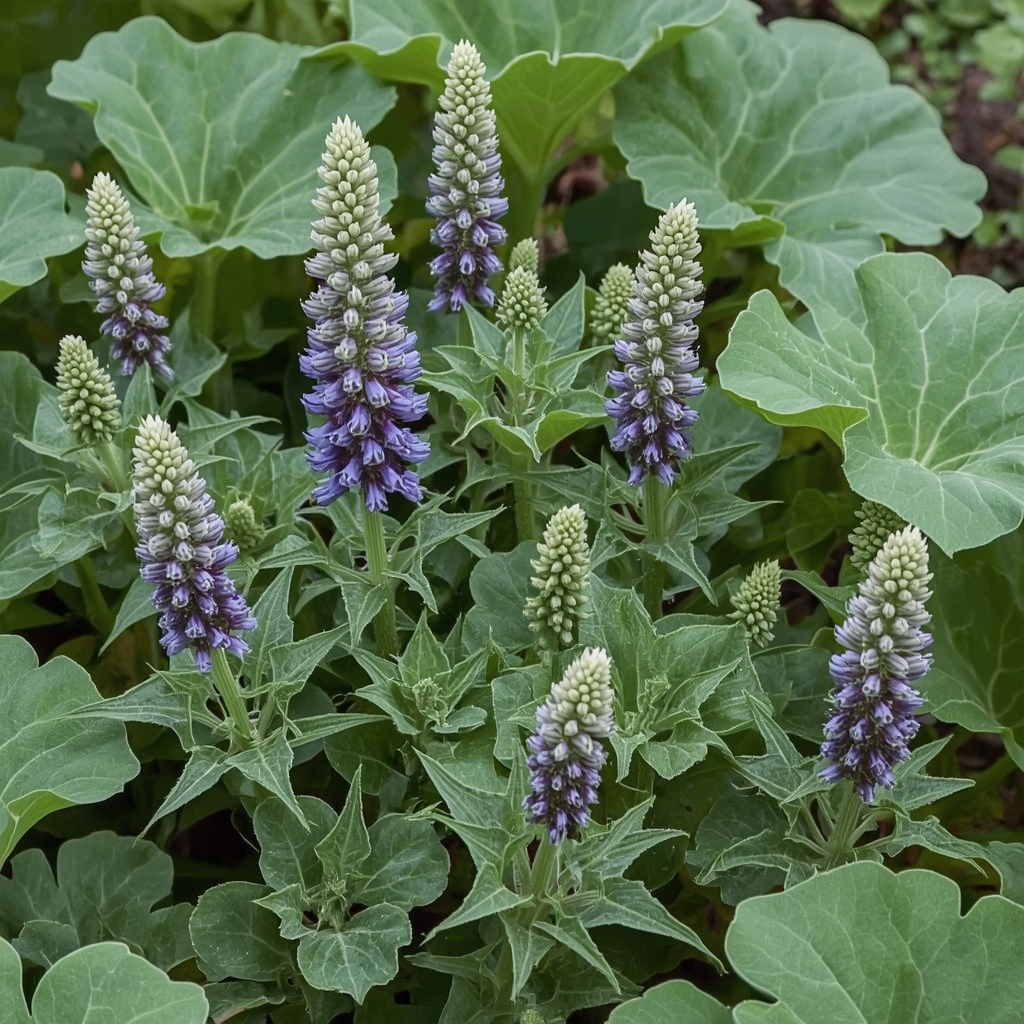
Borage is an excellent companion for zucchini because it attracts pollinators that are essential for successful fruit development. Increased pollination leads to better yields and healthier plants.
Borage also helps deter certain pests and is believed to improve plant resistance to disease. Its deep roots can help bring nutrients closer to the soil surface.
This cluster shows how herbs and flowers can enhance vegetable productivity.
12. Kale and Garlic Growing Patch
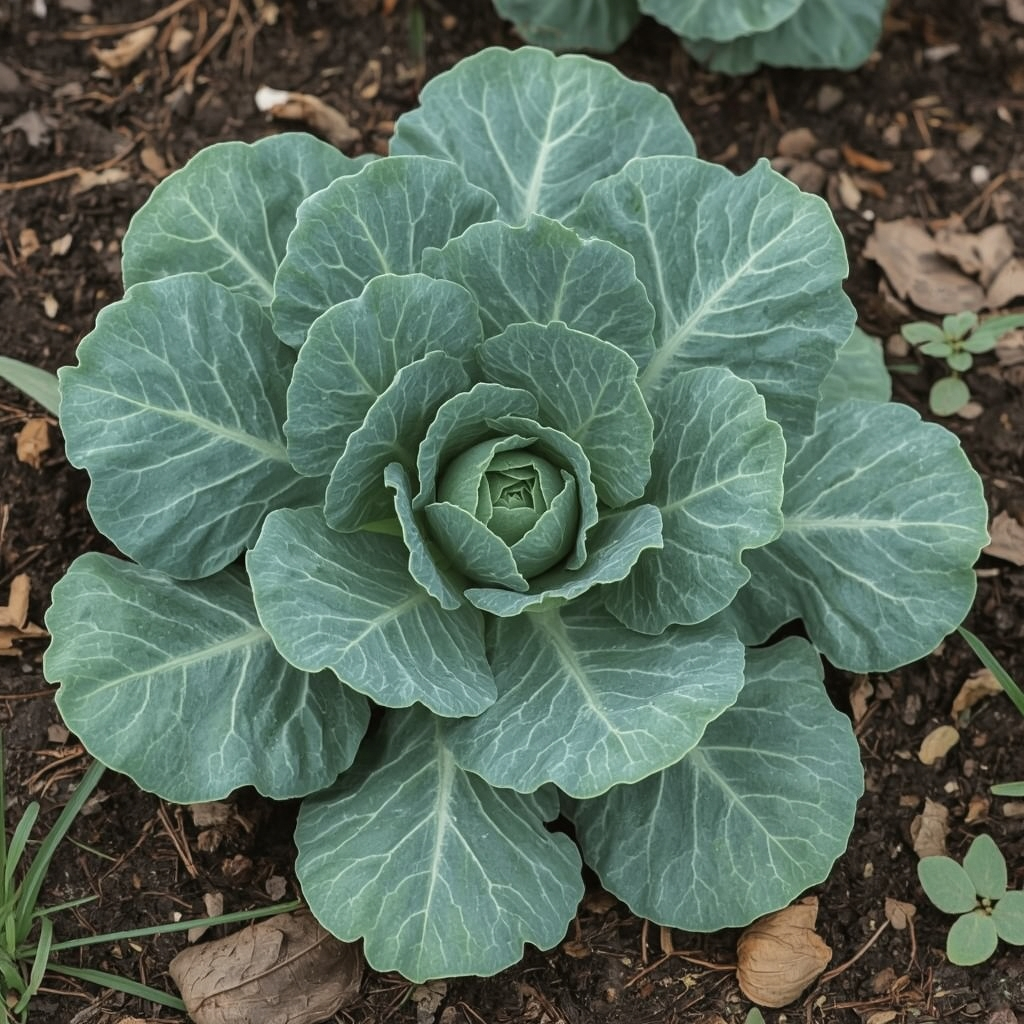
Garlic’s strong scent helps protect kale from common pests such as aphids and cabbage loopers. This natural defense reduces the need for chemical treatments.
Kale’s large leaves help shade the soil, keeping moisture levels stable for garlic bulbs. Both plants grow well in similar soil conditions.
This pairing supports healthier growth and improved resilience in companion planting systems.
13. Beets and Bush Beans Shared Bed
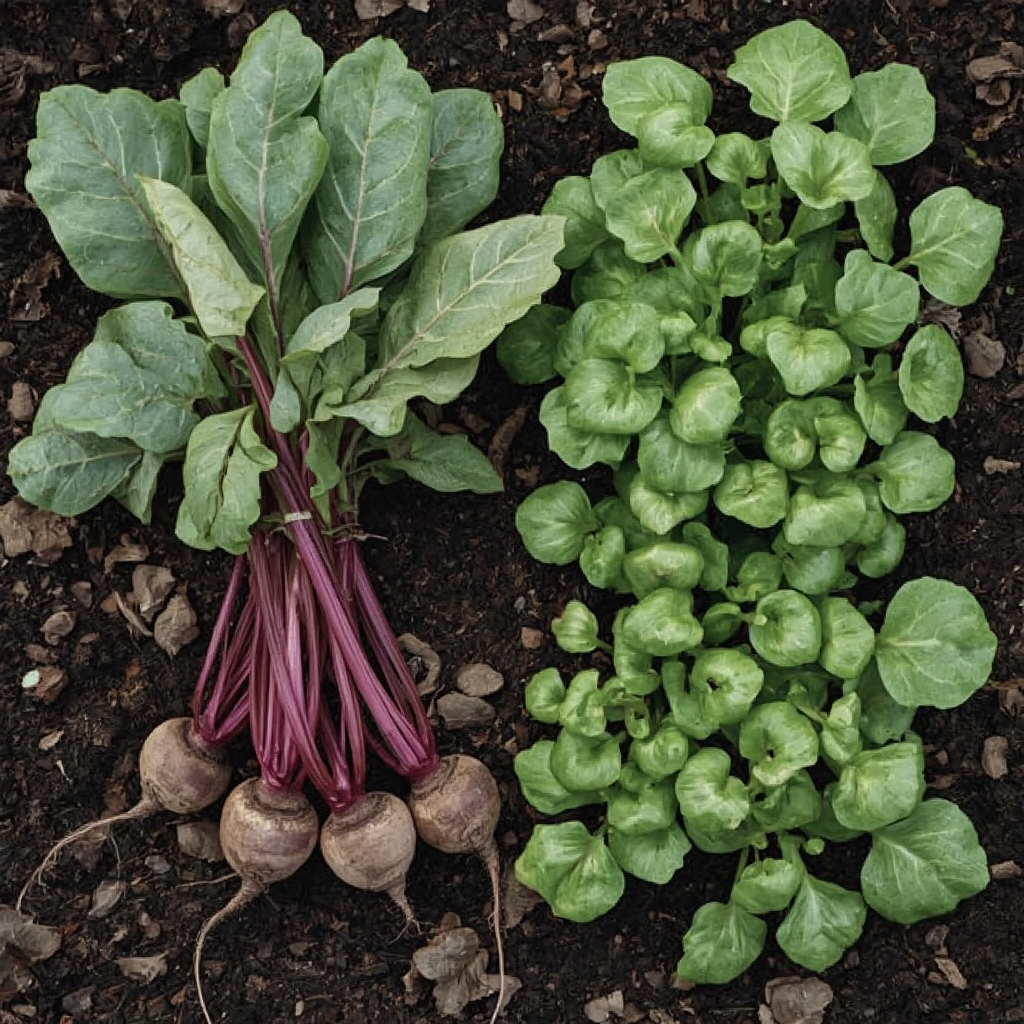
Bush beans contribute nitrogen to the soil, which supports beet development and improves root quality. Beets benefit from the enriched soil without competing directly with the beans.
Their growth habits differ, allowing efficient use of both horizontal and vertical space. This results in higher yields from the same garden area.
This combination highlights the advantages of soil improvement and space efficiency.
14. Strawberry and Thyme Ground-Level Planting
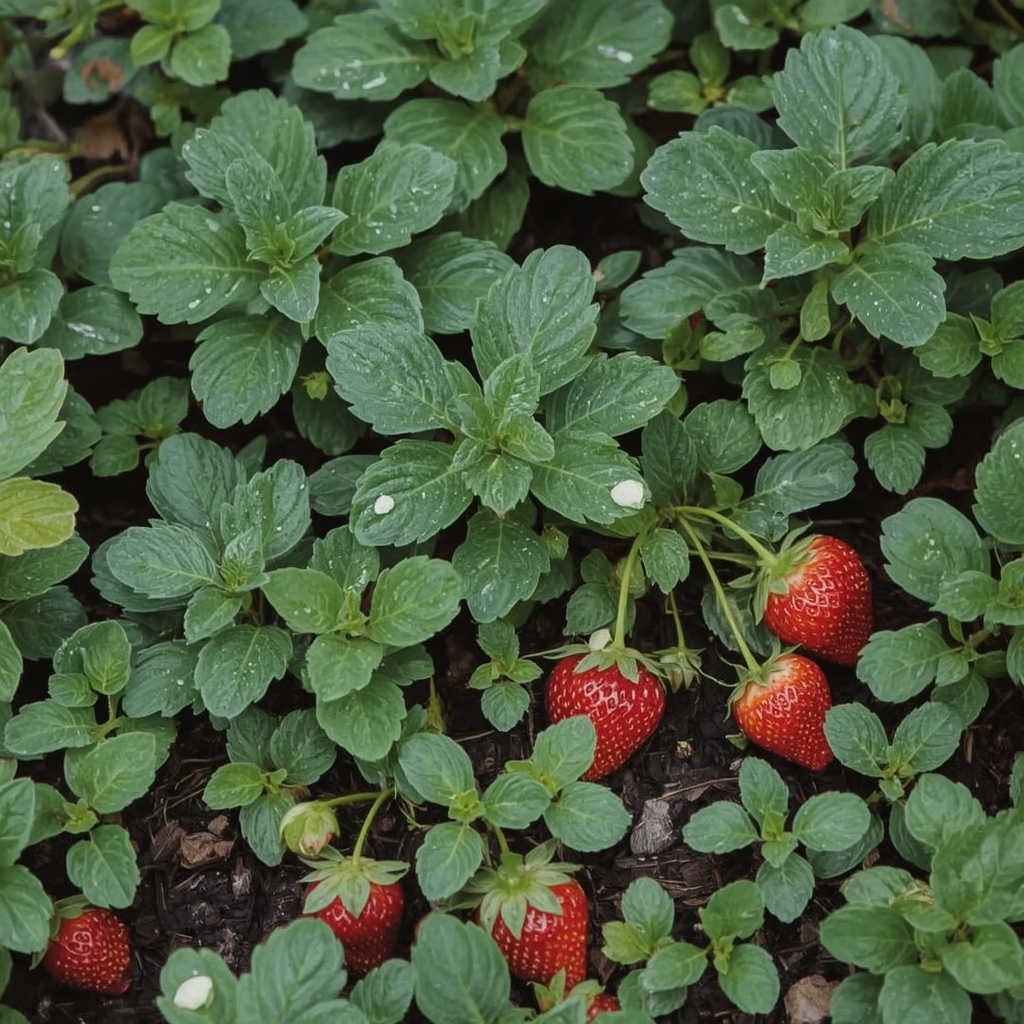
Thyme works as a living groundcover when planted alongside strawberries. It helps suppress weeds, deter pests, and reduce soil moisture loss.
Strawberries benefit from the protection thyme provides while remaining exposed enough for healthy fruit development. The pairing also improves air circulation around the plants.
This low-growing combination is well suited for sustainable and eco-friendly garden designs.
15. Potato and Horseradish Companion Row
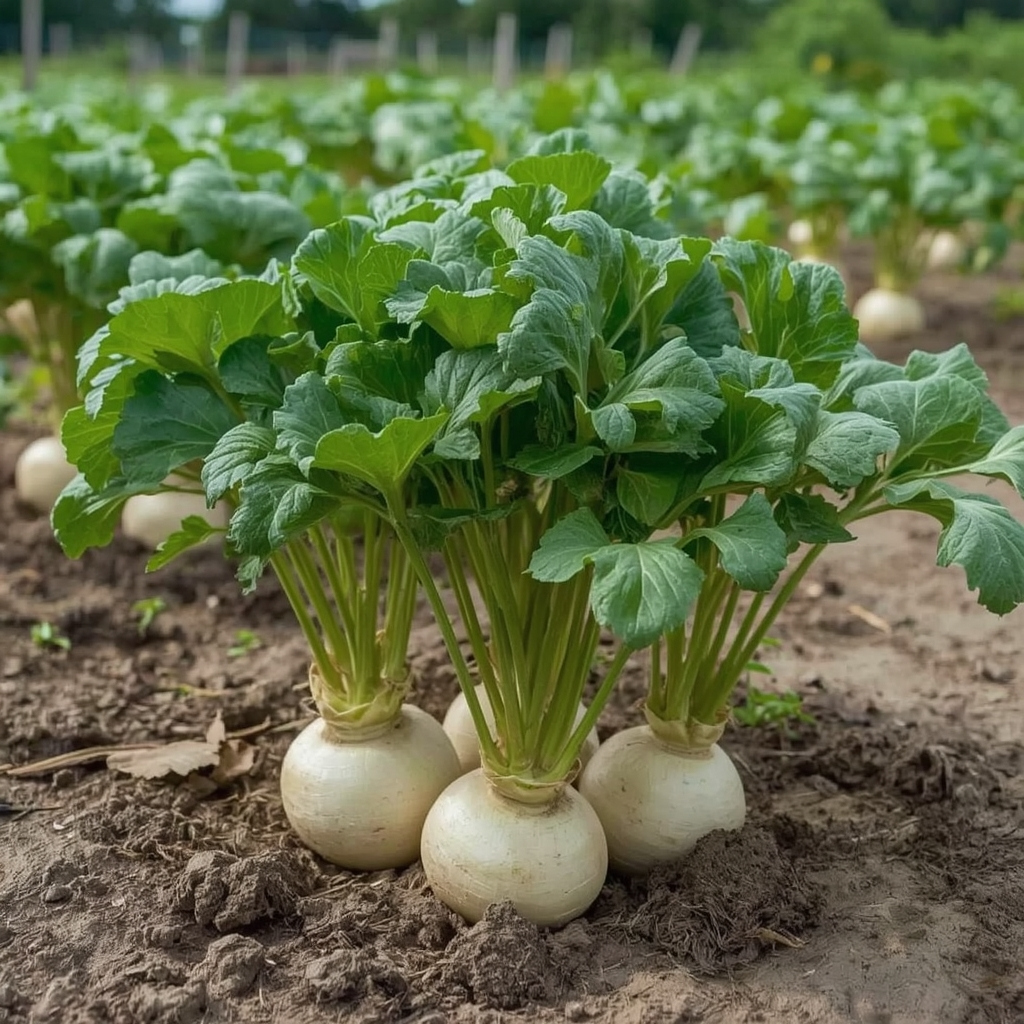
Horseradish is known for its ability to repel pests that commonly attack potatoes, including Colorado potato beetles. Its presence can also improve disease resistance in nearby plants.
Both crops prefer similar soil conditions and grow well together when spaced properly. Horseradish’s strong growth helps reinforce natural pest control strategies.
This traditional pairing remains a smart choice in companion planting layouts focused on resilience and yield.