
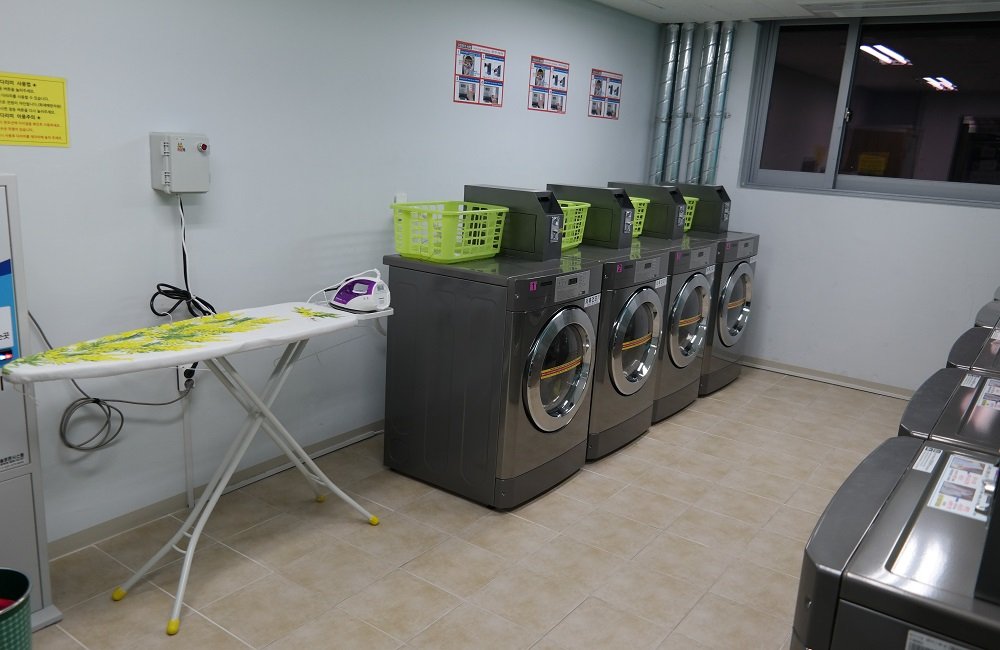
Being aware of the environment is more crucial than ever in the modern society. For homeowners and proponents of sustainable living, even minor endeavors can have significant results. Our washing habits are one area where everyone of us can have a big impact.
These are the top 5 environmentally friendly washing techniques that will keep your clothing clean and fresh while lowering your carbon footprint, electricity use, and water use.
Use Cold Water for Washing
There are several advantages to doing laundry with cold water instead of hot. It not only lowers your electric expenses but also saves energy, which lessens your carbon footprint. You may significantly reduce the energy used for washing clothing by switching to cold water. Heating water uses a large amount of electricity.
Benefits of Using Cold Water:
- Energy Savings: Reducing the need to heat water lowers your energy consumption.
- Extended Fabric Life: Cold water is gentler on fabrics, helping to extend the lifespan of your clothes.
- Reduced Shrinkage and Color Fading: Cold water helps to maintain the shape and color of your garments.
Quick Tip:
For stubborn stains, pre-treat them with natural stain removers like baking soda, vinegar, or lemon juice before washing in cold water.
Opt for Biodegradable and Eco-Friendly Detergents
Conventional laundry detergents frequently include dangerous ingredients that can contaminate rivers and endanger aquatic life. Making the switch to eco-friendly and biodegradable detergents is an easy yet powerful approach to lessen your influence on the environment.
Benefits of Eco-Friendly Detergents:
- Safer for the Environment: These detergents break down more easily and are less harmful to aquatic ecosystems.
- Healthier for You: Eco-friendly detergents often contain fewer irritants, making them gentler on your skin.
- Reduced Chemical Usage: Concentrated formulas require less packaging and are more efficient to transport.
Quick Tip:
Use the recommended amount of detergent to prevent excess chemicals from entering waterways and to ensure efficient washing.
Air-Dry Your Clothes When Possible
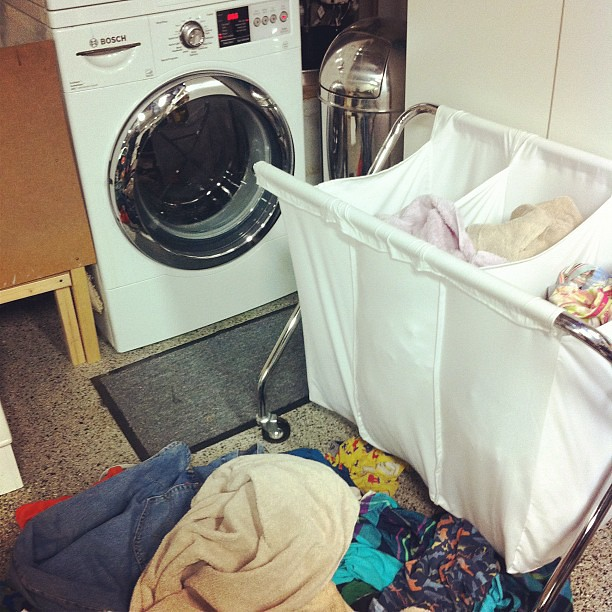
Although they are useful, dryers use a lot of electricity. One excellent method of conserving energy and lowering greenhouse gas emissions is to air dry your garments. Additionally, it helps save wear and tear on your clothes, extending their lifespan.
Benefits of Air-Drying:
- Energy Savings: Eliminates the energy consumption associated with using a dryer.
- Extended Garment Life: Reduces the wear and tear caused by mechanical drying.
- Fresh Scent: Clothes dried outdoors often come out smelling fresh and clean.
Quick Tip:
If you need to use a dryer, select a high spin speed during washing to minimize the time your clothes need to spend in the dryer.
Wash Full Loads
Washing full loads maximizes the efficiency of your washing machine, making the best use of water and energy for each wash cycle. This practice not only conserves resources but also saves you time and money in the long run.
Benefits of Washing Full Loads:
- Water Conservation: Reduces the total amount of water used for laundry.
- Energy Efficiency: Maximizes the energy used per load, making each wash more efficient.
- Cost Savings: Reduces the frequency of washing, lowering utility bills.
Quick Tip:
Batch laundry tasks by combining them with other household chores that use hot water to maximize efficiency and reduce overall energy consumption.
Invest in Energy-Efficient Washing Machines
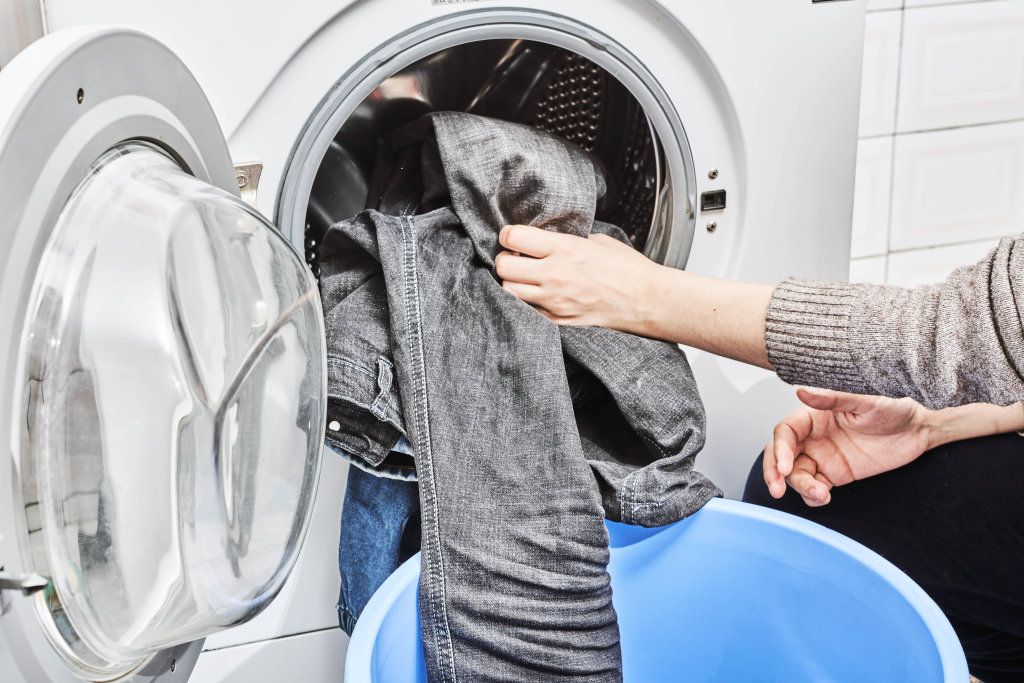
Compared to its predecessors, modern washing machines are made to use less water and energy. Purchasing an energy-efficient washing machine will help you drastically lessen your impact on the environment.
Benefits of Energy-Efficient Washing Machines:
- Lower Energy Consumption: These machines use less electricity, which translates to lower utility bills.
- Water Savings: Many energy-efficient models are designed to use less water per load.
- Improved Performance: Newer machines often have advanced features that improve cleaning efficiency and fabric care.
Quick Tip:
Consider investing in a front-loading washing machine, as they typically use less water and energy compared to top-loading models.
Additional Eco-Friendly Laundry Practices
While the above five tips are crucial, there are several other practices you can adopt to make your laundry routine even more eco-friendly:
Use a High Spin Speed
By choosing a high spin speed during the wash cycle, you may cut down on the quantity of moisture in your garments, which will save you time when drying them. Making this small change can result in substantial energy savings.
Avoid Overuse of Detergent
Using more detergent than necessary can lead to excess chemicals entering waterways and reduce washing efficiency. Stick to the recommended amount for each load to ensure effective cleaning while minimizing environmental impact.
Hang Clothes to Dry
Whenever possible, opt to hang clothes to dry instead of using the dryer. This not only saves energy but also helps prolong the lifespan of your clothes by reducing wear and tear from heat.
Continuous Efforts Lead to Meaningful Change
By implementing these eco-friendly practices into your laundry routine, you are taking small but impactful steps towards reducing your environmental impact. Remember that every little effort counts, and together we can make a difference in
Utilize Laundry Balls or Eco-Friendly Washers
Laundry balls and eco-friendly washers are great alternatives to traditional detergents. They can reduce chemical usage and still provide effective cleaning, making them a sustainable choice.
Choose Concentrated Detergents
Concentrated detergent formulas require less packaging and transportation, reducing their overall environmental footprint. They are also more cost-effective in the long run.
Install a Water Softener
Using softened water can reduce the amount of detergent needed for effective cleaning. This not only saves money but also reduces the number of chemicals released into the environment.
Pre-Treat Stains Naturally
Natural stain removers like baking soda, vinegar, and lemon juice are effective and eco-friendly alternatives to harsh chemical treatments. Pre-treating stains with these natural solutions can help reduce the need for strong detergents.
Recycle or Reuse Greywater
If possible, recycle or reuse laundry greywater for purposes like irrigation. This practice can conserve water and make your household more sustainable.
Opt for Front-Loading Washing Machines
Front-loading washing machines are generally more water and energy-efficient compared to top-loading models. Consider making the switch to further reduce your environmental impact.
Repair Instead of Replace
If your washing machine encounters issues, opt for repairs instead of replacements. This practice can prolong the life of your appliance and reduce electronic waste.
Use Shorter Wash Cycles
For lightly soiled clothes, choose shorter wash cycles to save water and energy. Many modern machines offer quick wash options that are both effective and efficient.
Avoid Overloading the Machine
Overloading the washing machine can lead to less effective cleaning, which may result in having to wash the load again. This not only wastes water and energy but also increases detergent usage.
Hang Dry When Possible
Instead of using a dryer, consider hanging your laundry out to dry when weather permits. This reduces energy usage and helps preserve the life of your clothes. Plus, nothing beats the fresh smell of air-dried laundry!
Share Laundry Loads
If you live with others, try to coordinate laundry loads so that you are all doing full loads instead of multiple small loads. This conserves both water and energy.
Conclusion
Changing to eco-friendly washing methods is an easy yet effective strategy to help create a more sustainable future. You may drastically lessen your environmental impact by washing full loads, air drying clothing, using cold water, choosing biodegradable detergents, and purchasing energy-efficient equipment.