
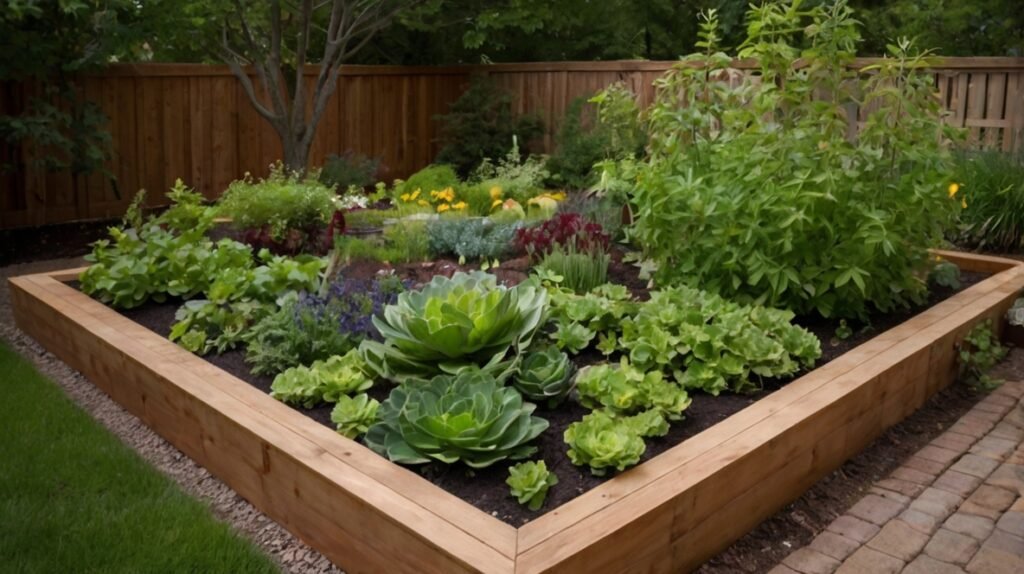
Edible landscaping is a brilliant way to combine beauty and practicality in your garden, turning ordinary spaces into lush, productive landscapes. By thoughtfully incorporating fruits, vegetables, herbs, and edible flowers into your yard, you can create a garden that’s not only visually stunning but also full of fresh, homegrown flavors.
Imagine vibrant berry bushes lining pathways, aromatic herbs spilling from raised beds, or colorful vegetables arranged like ornamental plants—all while providing nutritious ingredients for your kitchen. Edible landscaping blends functionality with creativity, allowing you to design with textures, colors, and seasonal interest in mind.
Whether you have a sprawling backyard or a small patio, there are countless ways to make your outdoor space both decorative and delicious. With careful planning and a touch of imagination, edible landscaping can transform your garden into a sustainable, eye-catching oasis that nourishes both body and soul.
1. Use Raised Beds
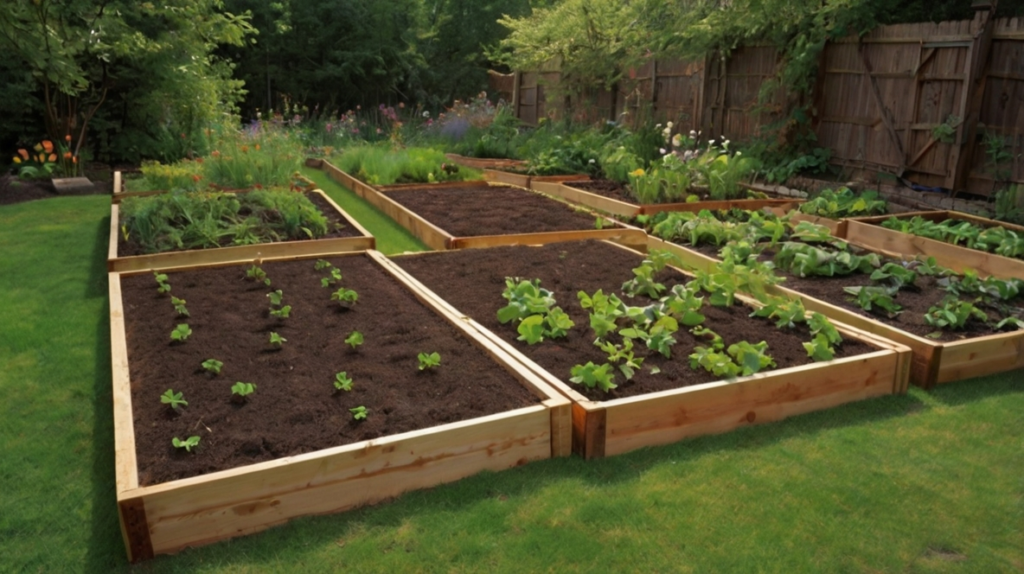
Raised garden beds are a practical and attractive way to organize your outdoor space while making gardening easier. Elevating your plants helps reduce strain when planting, weeding, or harvesting, making it ideal for gardeners of all ages. Raised beds can be crafted from various materials, including untreated wood, stone, concrete blocks, or metal, allowing you to match your garden’s style.
They can fit virtually any space, from small patios to large backyards, and can be purchased pre-made or built DIY-style. To make your gardening more efficient, consider limiting the width of the bed. If you can access it from only one side, a width of 2 feet is ideal, whereas beds accessible from both sides can be up to 4 feet wide. This ensures you can reach every corner without stepping into the bed itself, protecting the soil structure.
Raised beds also promote better drainage and soil health, reducing compaction and improving root growth. You can fill them with nutrient-rich soil and compost, creating an environment perfect for vegetables, herbs, and flowers. Layering the soil with organic matter encourages beneficial microorganisms that support healthy plants. Overall, raised beds provide both functionality and beauty, making them a cornerstone of home gardens.
2. Plant Fruit Trees
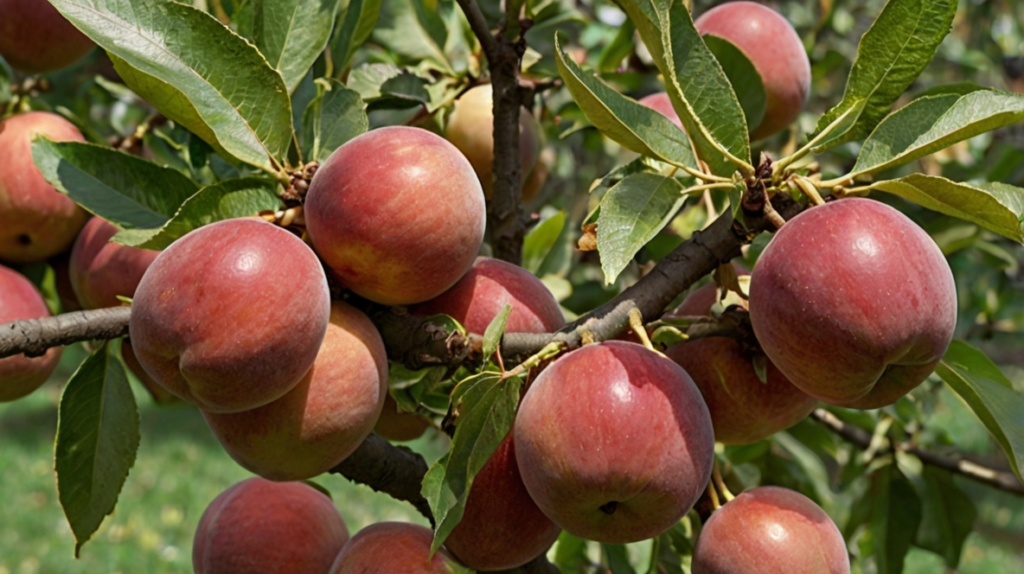
Fruit trees are an excellent way to add height, color, and seasonal interest to your garden. Options like apples, pears, peaches, plums, and cherries provide sweet rewards and stunning blossoms in spring. Many fruit tree varieties, including dwarf types, can be adapted to smaller spaces or even grown in containers, making them ideal for apartments, condos, or limited backyard areas.
Beyond their edible offerings, fruit trees enhance your outdoor space with vibrant leaves and colorful fruits throughout the growing season. Their blossoms attract pollinators such as bees and butterflies, supporting local biodiversity. Proper pruning and care encourage consistent fruit production, and many trees can yield fruit for decades with the right maintenance.
Fruit trees can also create natural focal points or act as privacy screens in your garden. Pairing them with companion plants such as herbs or flowering groundcovers can improve pollination and deter pests, maximizing both beauty and productivity. Whether you’re harvesting a juicy peach or simply enjoying the shade beneath a leafy pear tree, fruit trees offer multiple benefits for both taste and aesthetics.
3. Try an Edible Groundcover
Replacing traditional lawns or ornamental groundcovers with edible plants is a smart way to enhance both the beauty and utility of your garden. Creeping thyme, alpine strawberries, oregano, and nasturtiums are excellent choices for low-growing, flavorful groundcover. These plants can fill in bare spots, grow between stepping stones, or line pathways while simultaneously providing food for your kitchen.
Edible groundcovers offer several advantages. They suppress weeds naturally, reducing the need for chemical interventions, and help retain soil moisture while preventing erosion. Many are also drought-tolerant and attract pollinators, supporting overall garden health. For example, creeping thyme produces tiny, aromatic flowers loved by bees, while alpine strawberries give small but flavorful fruits that are perfect for fresh eating or desserts.
Planting edible groundcover around your garden creates a lush, functional landscape that maximizes space. You can use these plants as an alternative to turf, for raised bed edges, or in ornamental areas to blend color, texture, and flavor seamlessly. They are especially useful in small gardens or urban settings where every inch counts.
4. Grow Edible Flowers
Edible flowers add a unique combination of beauty and flavor to your garden and kitchen. Flowers such as nasturtiums, calendula, violas, borage, and pansies are visually appealing and completely safe to eat. Additionally, some flowering shrubs, including roses, elderberry, hibiscus, and lilacs, also produce edible blooms. These plants thrive in beds or containers, offering versatility for any space.
Incorporating edible flowers into your cooking is both fun and creative. Add them to salads for a pop of color, infuse them in syrups or teas, or freeze them in ice cubes for decorative beverages. They also make excellent garnishes on both sweet and savory dishes. Many edible flowers have health-promoting properties, such as antioxidants and vitamins, making them a nutritious as well as beautiful addition.
By planting edible flowers, you combine practicality with aesthetics. They attract beneficial insects, enrich the garden’s biodiversity, and provide a continuous harvest of delicate blooms. Whether in a traditional garden bed or a compact container, edible flowers can elevate the overall experience of home gardening.
5. Mix in Herbs
Herbs are one of the easiest ways to integrate edible plants into your landscape while enhancing your garden’s aroma and appearance. You can dedicate a section of your yard to herbs like basil, rosemary, mint, and sage, or use containers to grow them on patios and balconies. Mixing multiple herbs in a single container creates an eye-catching, fragrant display that’s easy to move or rearrange.
Certain herbs also work beautifully as borders. Lavender, thyme, and chives can line pathways or flower beds, adding structure and color while providing fresh ingredients for cooking. Herbs are excellent for filling gaps between other plants in your garden and complement both annual and perennial beds. Their presence supports pollinators and beneficial insects, which in turn enhances the health and productivity of surrounding plants.
Additionally, many herbs are low-maintenance and drought-tolerant once established, making them perfect for beginner gardeners. Strategic planting of herbs can create both a culinary and decorative landscape, offering year-round utility while maintaining visual appeal.
6. Go Vertical
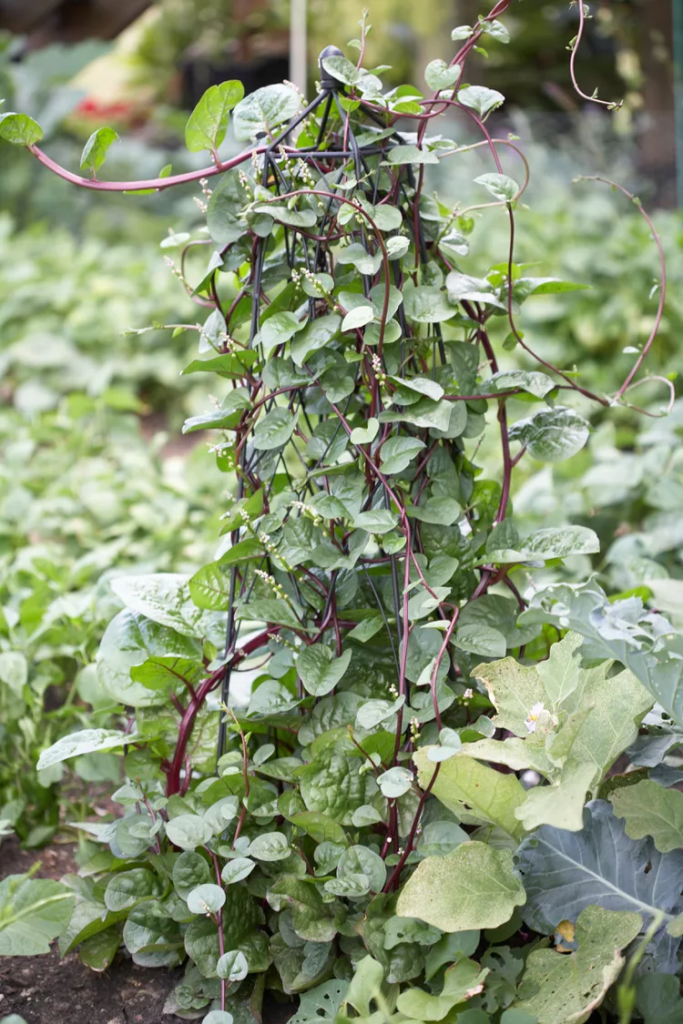
Vertical gardening is an excellent solution for small yards or balcony spaces, or when you want to create shaded areas in your outdoor space. Installing trellises, arbors, or lattice structures allows climbing plants like grapes, beans, peas, cucumbers, melons, and winter squash to grow upward rather than outward. Malabar spinach, a tropical vine, also thrives on vertical support, producing abundant leaves and fruits in minimal space.
Growing plants vertically often results in higher yields because they receive better air circulation and sunlight exposure. It also reduces the risk of soil-borne diseases and pests, as the plants are lifted above the ground. Grapevines trained on arbors create an attractive canopy while keeping the fruit within easy reach, blending function with visual interest.
Vertical gardening works for both decorative and edible plants. It maximizes space efficiency and adds architectural elements to your garden. This technique is ideal for urban settings or crowded yards, turning previously unusable vertical space into productive areas for fresh vegetables and fruits.
7. Add Containers and Hanging Baskets
Containers and hanging baskets expand the possibilities for edible landscaping, allowing you to grow food in areas where traditional beds aren’t feasible. Lettuce, spinach, or other leafy greens grow well in containers, offering fresh salad ingredients close to your kitchen. Hanging baskets are perfect for trailing plants like cherry tomatoes, allowing the fruit to cascade beautifully over the sides.
Creating themed container gardens can simplify care and enhance aesthetics. For example, a salsa garden might include tomatoes, peppers, cilantro, and onions, while a pizza garden could feature tomatoes, basil, oregano, parsley, and peppers. Containers also make it easy to rotate crops seasonally, protecting sensitive plants from extreme weather and pests.
Additionally, containers are ideal for limited spaces such as balconies, patios, or decks. They can be moved to optimize sunlight exposure and reduce maintenance. Using containers strategically allows you to combine ornamental appeal with practical food production, creating a highly versatile and attractive garden setup.
8. Grow Herbal Hedges
Herbal hedges combine structure, beauty, and functionality in your garden. Plants like lavender, rosemary, and bay laurel can be grown as formal hedges, with heights ranging from 1 to 12 feet depending on your design goals. Regular pruning allows you to maintain the shape and size you desire, creating an elegant, edible barrier or boundary.
Herbal hedges serve multiple purposes. They can delineate different garden areas, provide privacy, or act as windbreaks, all while offering culinary benefits. Lavender hedges emit a pleasant fragrance and attract pollinators, rosemary hedges provide dense greenery and aromatic leaves, and bay laurel offers large leaves for cooking.
This approach allows gardeners to combine practicality with design, using edible plants to replace purely ornamental borders. Well-maintained herbal hedges enhance both the look and functionality of your outdoor space.
9. Make Space for Berries
Nothing beats the flavor of fresh, homegrown berries. Strawberries, blackberries, blueberries, currants, and raspberries are productive, low-maintenance options that can thrive in both small and large spaces. Even if your yard is limited, vertical solutions like strawberry towers allow multiple plants to grow in a compact area.
Strawberry towers consist of stacked pots or specially designed planters with multiple planting pockets. These towers keep fruit off the ground, protecting them from pests and rot, while maximizing vertical growing space. Other berries, like blueberries, can also be grown in containers with acidic soil to suit their needs.
Planting berries not only provides delicious fruits for fresh eating or preserves but also attracts pollinators and adds seasonal interest with their flowers and foliage. Berries are a versatile choice that blends productivity with visual appeal in both ornamental and edible garden designs.
10. Mix Ornamentals and Edibles
Edible landscaping doesn’t require every plant in your garden to be food-producing. Combining edible plants with ornamental varieties creates a visually appealing and functional space. Colorful vegetables like purple kale or rainbow chard can brighten flower beds, while tomato plants can be tucked among ornamental flowers to add height and texture.
Artichokes and cardoons provide dramatic foliage and thistle-like blooms, making them perfect for decorative containers or large flower beds. Combining edible and ornamental plants allows for creative design choices while maintaining productivity. The result is a garden that feeds both your eyes and your appetite.
This mix-and-match approach encourages biodiversity, attracting pollinators and beneficial insects. It also allows for seasonal variation, as flowering ornamentals and productive edibles can complement each other throughout the year.
11. Embrace the Playful and Quirky
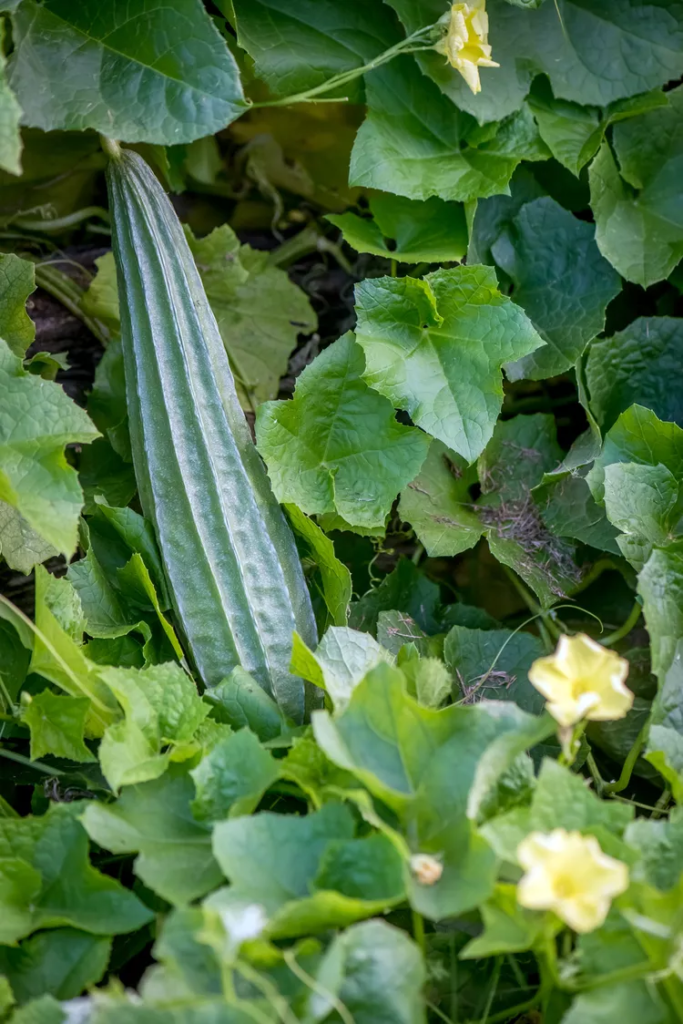
Adding whimsical elements to your edible garden can make the space fun and engaging. Unusual vegetables like pumpkins, colorful corn, or luffa gourds bring visual interest while also providing practical uses. Pumpkins spilling over the edges of garden beds create a playful aesthetic, while corn can serve as a natural privacy screen at the back of flower beds.
Luffa gourds are particularly versatile; once dried, they can be used as natural sponges, offering a sustainable and creative home-grown alternative to synthetic products. Seasonal crops like pumpkins and corn also double as homegrown decor, perfect for fall displays or themed celebrations.
Incorporating quirky plants adds charm, variety, and functionality to your garden. It encourages experimentation, allows for hands-on learning, and can even create memorable gifts or decorations from your harvest.