These clever fixes will save DIY problems while saving you money and time. These suggestions might include straightforward fixes for noisy doors, inventive plumbing solutions, and quick wall repairs.
These are some suggestions for simplifying your life while making sure your house is in good condition. Therefore, these tips will assist your house with stress-free upkeep, regardless of whether you are a do-it-yourself expert or just seeking to make some modifications for the first time!
Keep the Screws in Place with Superglue
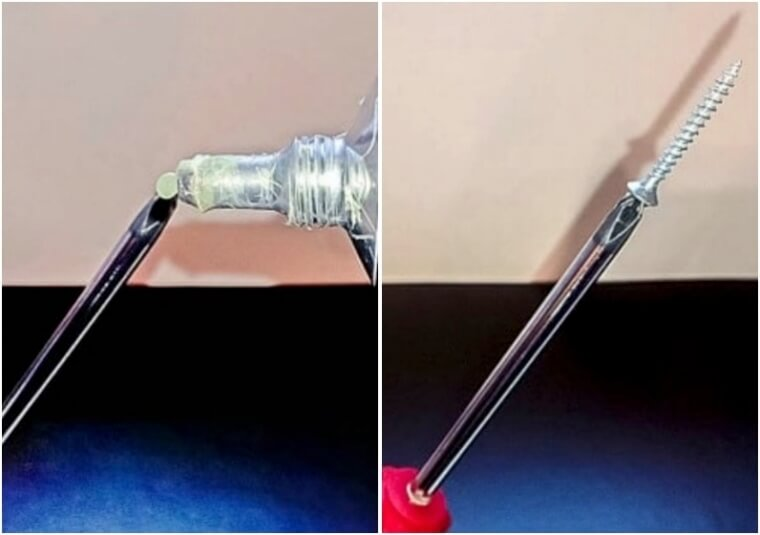
When you’re trying to position a screw, it can easily slip or fall before you get it started. A tiny dab of superglue or a bit of rubber-based glue on the tip of your screwdriver can keep the screw steady while you work. This small trick prevents screws from rolling away and helps you complete delicate installations more efficiently. It’s a simple time-saver that reduces frustration, especially when working in tight angles or awkward corners.
Holding onto loose screws while you work can be a real balancing act. A tiny drop of superglue applied to the screwdriver keeps the screw attached long enough for you to get it into place. No more chasing dropped screws or struggling with tricky fittings. This quick fix makes installation smoother and helps you finish projects faster with fewer interruptions.
Toothpaste: The Nail Hole Filler You Already Own
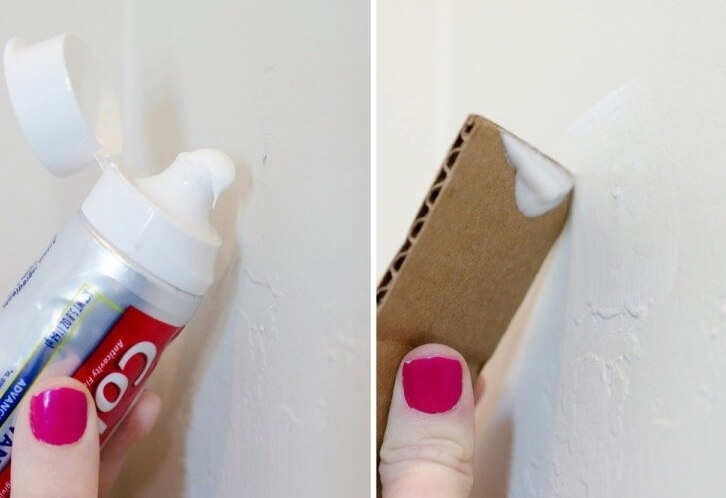
Small nail holes left behind on your walls can look messy and may even cost you during a move-out inspection. Instead of buying specialty filler, grab a tube of white, non-gel toothpaste. Fill the hole, smooth it with a damp cloth, and allow it to dry. Once painted over, the wall looks clean and uniform again. This hassle-free fix saves money and takes only a few minutes.
Use Coffee Grounds to Restore Scratched Wood
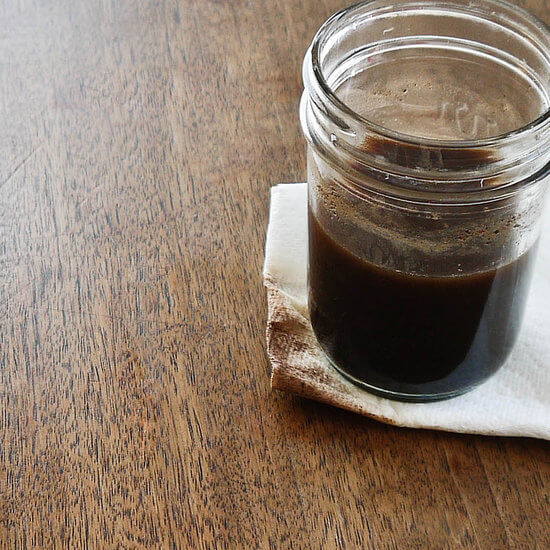
If your wooden furniture is scratched and looking worn, coffee grounds can help disguise those marks. Lightly rub damp coffee grounds over the scratch to blend it with the wood’s natural color. The grounds darken the damaged area, helping the scratches vanish while restoring some richness to the finish. It’s an eco-friendly and inexpensive way to refresh your furniture.
Why You Should Protect Your Fingers While Hammering
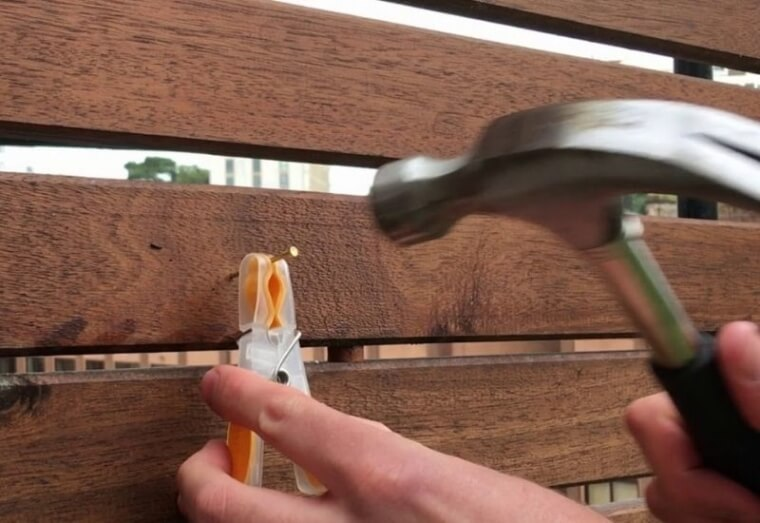
Hammering nails can be risky if your fingers are too close to the action. A bobby pin, clothespin, or even a comb can hold the nail upright while keeping your hands at a safe distance. This easy hack not only protects your fingers but also improves placement accuracy. It’s useful for beginners and experienced DIYers alike.
Soak before you cut to evoke smoother edges
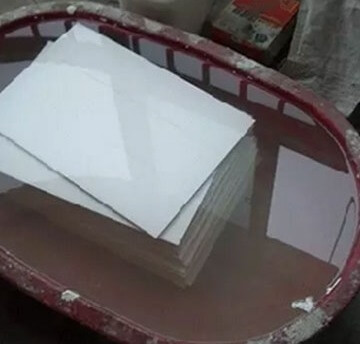
Cutting hard tiles dry can lead to cracks or chipped edges. Soaking tiles in water for a few hours softens the material slightly, making them easier to cut cleanly. With less breakage, you waste fewer tiles and finish the job more smoothly. Paired with careful measuring, this technique helps achieve professional-looking results with less frustration.
Use Soap to Quiet Squeaky Drawers
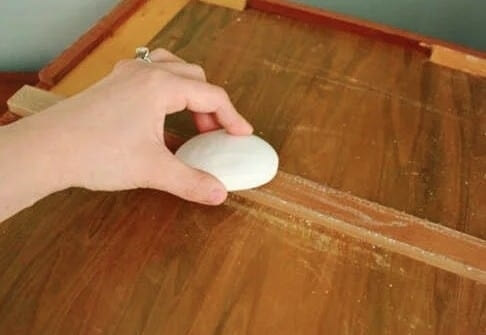
If your wooden drawers are making an annoying squeak, rubbing a bar of soap or applying a tiny amount of liquid soap to the rails can help. The soap acts as a natural lubricant, reducing friction where the wood meets. This quick fix leaves drawers gliding more easily without the cost of specialized lubricants.
How to Remove Sticky Labels Using a Hair Dryer
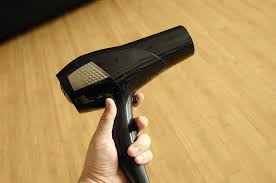
Removing stubborn stickers doesn’t have to be a chore. Warm the sticker with a hair dryer for a few seconds—this softens the adhesive, allowing the sticker to peel off smoothly. This trick prevents residue buildup and saves time, all without harsh chemicals or solvents.
Use vinegar to restore showerheads

Mineral buildup can clog showerheads and weaken water pressure. A simple fix is to fill a plastic bag with vinegar, place it over the showerhead, and secure it with a rubber band. After soaking overnight, the deposits dissolve and your water flow returns to normal. This inexpensive method keeps your shower working like new.
Prevent Loud Floorboards with Baby Powder
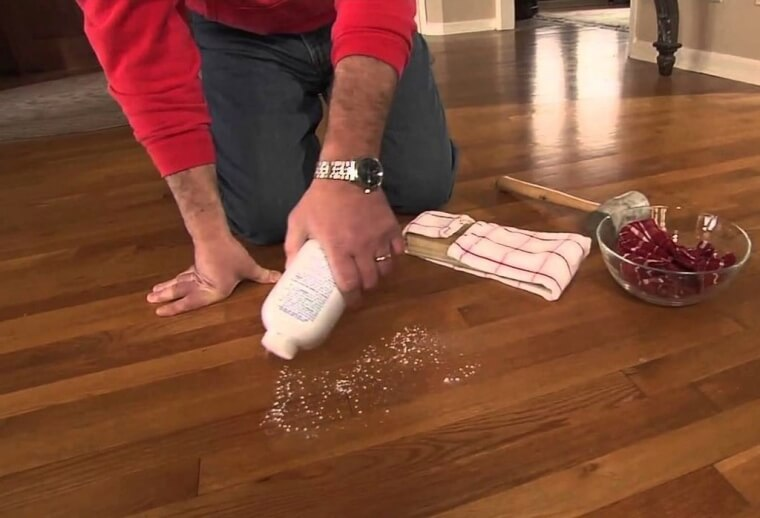
Squeaky floorboards can be annoying, but baby powder offers a quick solution. Sprinkle powder into the gaps between boards, then gently work it in with your foot. The powder reduces friction between the planks and absorbs moisture, helping silence the noise. It’s a fast and budget-friendly way to quiet heavy-traffic areas.
Soap: A Great Way to Lubricate Stubborn Screws
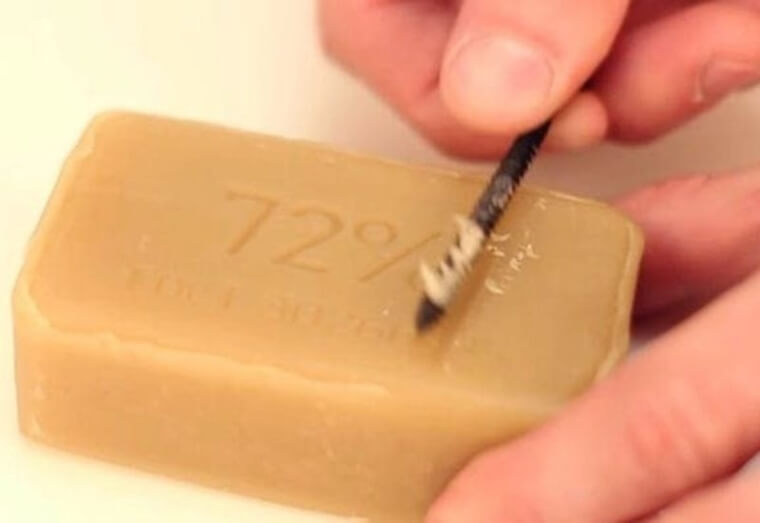
Driving screws into wood can be tough if the threads are catching. Rubbing the screw along a bar of soap creates a slick coating that helps it glide in easily. This simple method reduces strain and prevents damage to the wood—especially helpful for older screws that don’t turn smoothly.
Wonderful Tip To Hang Frames Like A Pro With Tape
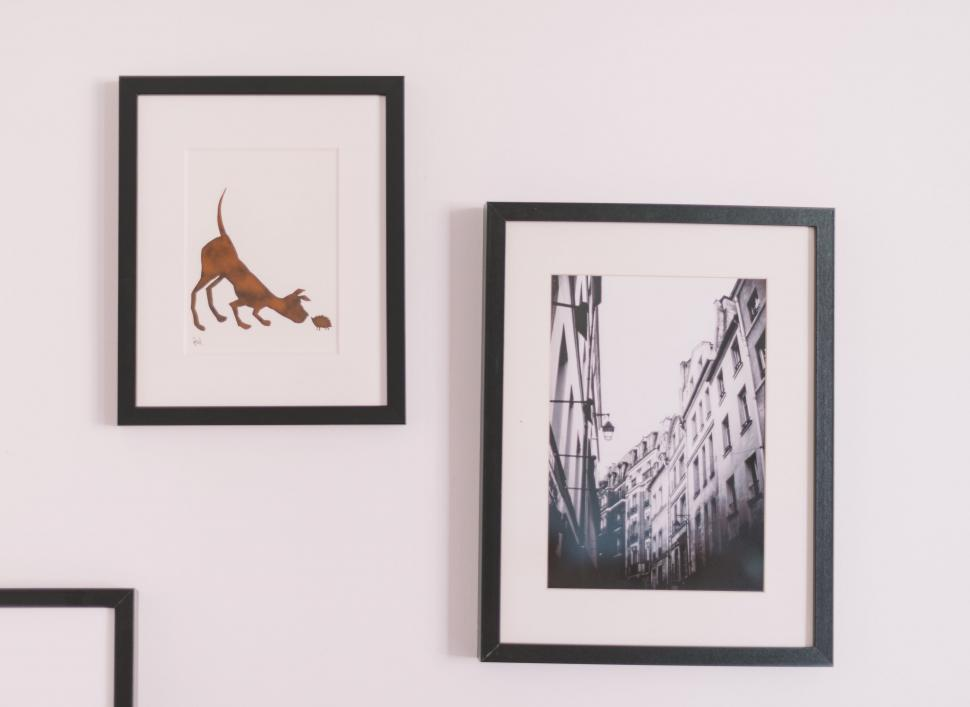
Aligning pre-drilled picture frames can be tricky without accurate measurements. Place a strip of masking or painter’s tape across the back of the frame and mark where the holes are. Stick the tape on the wall and hammer your nails at the marked points. Once the tape is removed, your frame hangs exactly where it should—no guesswork or extra holes required.
Revive Tape with a Microwave
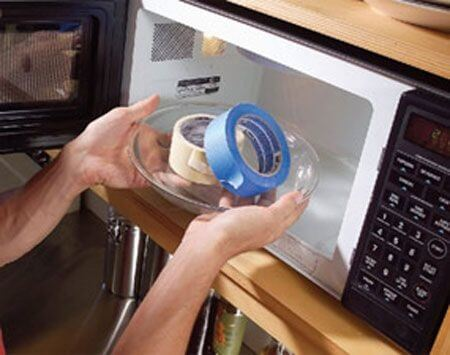
If your adhesive tape has lost its stickiness, you don’t have to toss it. Heat the roll in the microwave on a low setting for just a few seconds. The warmth reactivates the adhesive, restoring its grip. This smart fix saves money and keeps partially used rolls from going to waste.
Use Ice Cubes to Remove Carpet Dents
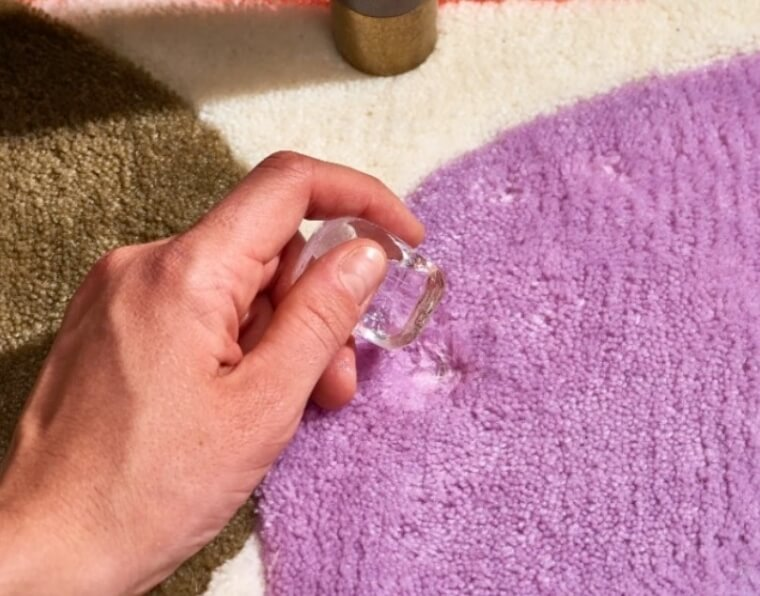
Heavy furniture can leave deep dents in carpets, but ice cubes can lift them out. Place a cube on each dent and let it melt completely. After absorbing the excess water with a towel, gently brush the carpet fibers upward with a toothbrush. The area will look refreshed and smooth again, no professional cleaning needed.
Detect Hidden Wires with a Microphone
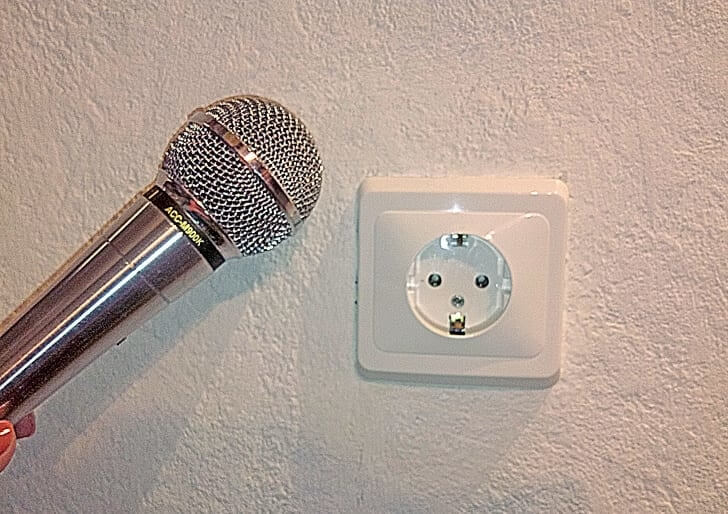
Before drilling near switches or outlets, it’s important to know where hidden wires are. A simple microphone connected to a recorder can help. Slide the microphone along the wall; when it passes over a wire, you’ll hear a faint hum. This method adds safety and peace of mind while preventing hazardous mistakes.
Keep Paintbrushes Fresh with Plastic Bags
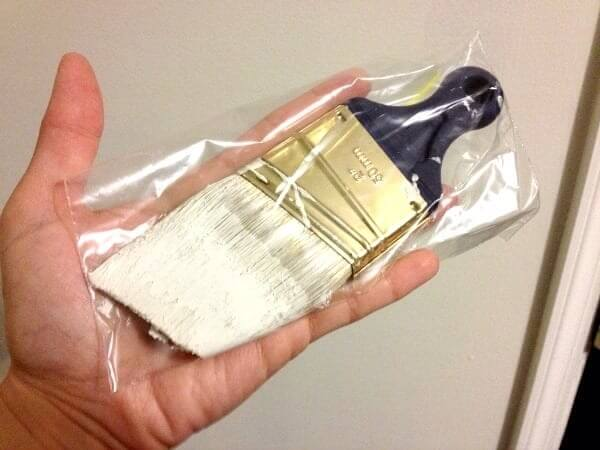
When taking a break from painting, you don’t need to wash your brush immediately. Seal the brush inside an airtight plastic bag to keep the bristles from drying out. This prevents paint from hardening and saves product, allowing you to resume painting later without cleanup delays.
Use a Potato to Remove a Broken Bulb
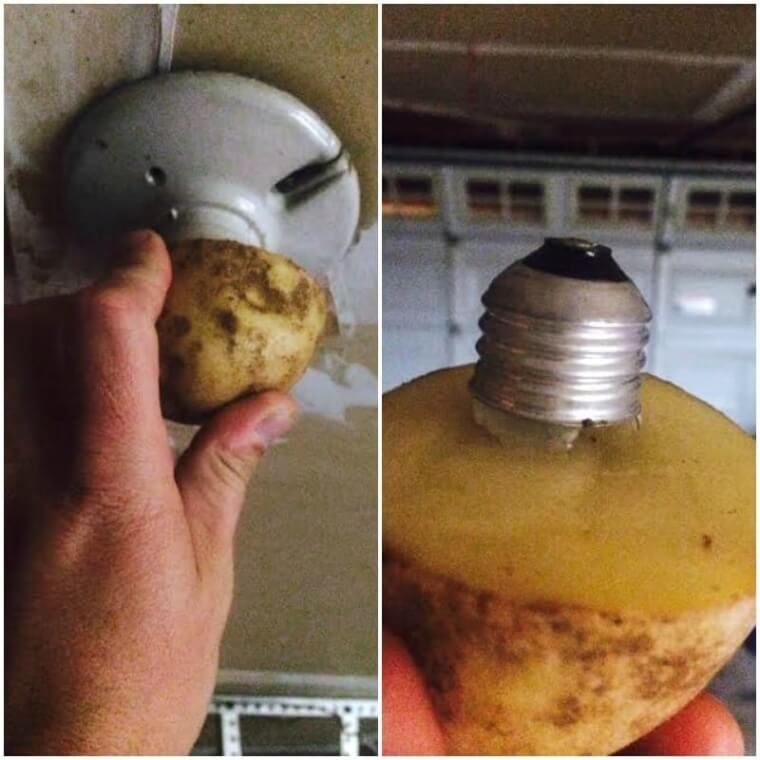
Removing a broken bulb can be risky, but a potato makes the process safer. Cut the potato in half and press the soft side firmly onto the broken base. Twist counterclockwise until the bulb’s remains loosen and come out. This easy solution helps avoid cuts and makes replacing the bulb stress-free.
Toilet Leaks: Diagnose Them with Kool-Aid
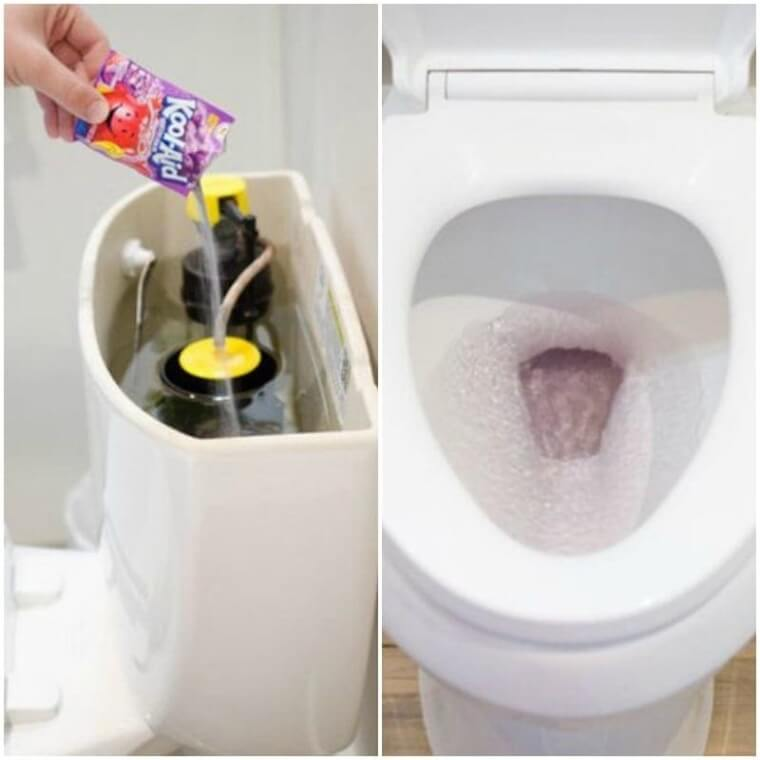
A hidden toilet leak can waste significant water and increase your bill. To test for one, pour a packet of colored Kool-Aid into the tank and leave it untouched for about 30 minutes. If the bowl water changes color, there’s a leak. This inexpensive trick helps detect issues early before they turn into costly repairs.
Coins as Fillers for Narrow Bolt Gaps
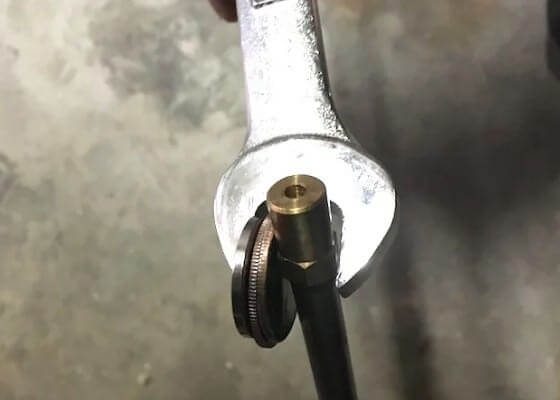
When your wrench doesn’t fit a bolt snugly, coins can fill the gap. Slip a coin or two between the bolt and the wrench to create a tighter grip. This handy improvisation allows you to tighten or loosen bolts without needing a specialty tool, making it great for quick fixes.
Use a Magnet to Find Nail Holes
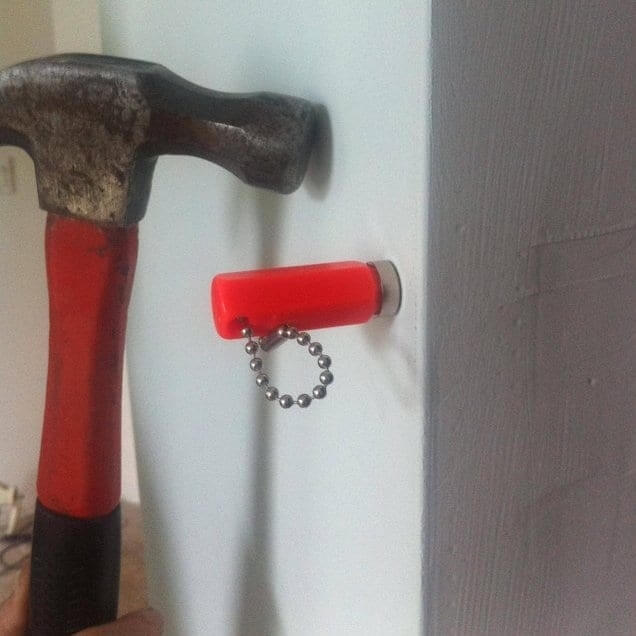
Locating old nail holes beneath paint or wallpaper can be challenging. Run a small magnet across the wall; when it sticks, you’ve found the buried nail or screw. This method prevents extra holes and speeds up decorating projects.
How to Unclog a Spray Can With Gasoline
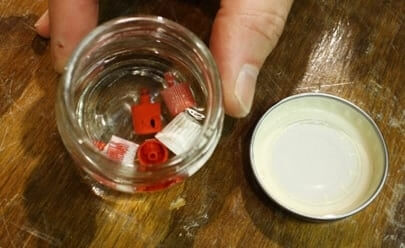
If a spray can still contains product but won’t spray, the nozzle may be clogged. Soaking the nozzle in gasoline for about 15 minutes dissolves the blockage. Once cleaned, the spray should work again. Always use proper ventilation and handle gasoline carefully for safety.
Before You Drill, Use Masking Tape on Tiles
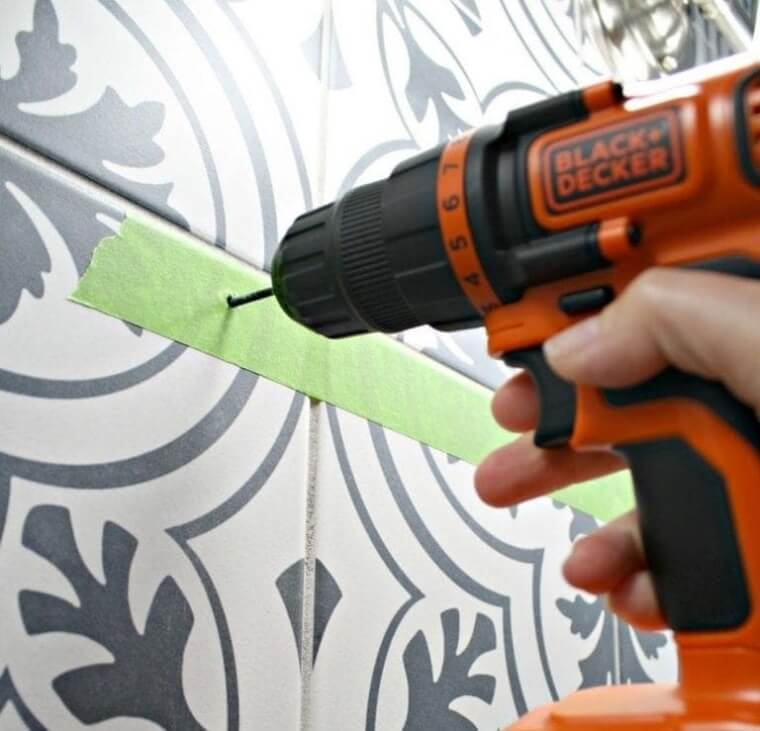
Drilling into tile can be difficult because the drill bit tends to slip. Place a piece of masking tape over the drilling spot to create traction. The tape helps keep the bit steady, reducing the risk of cracking the tile and ensuring cleaner results.
Eliminate Squeaks with Cooking Spray
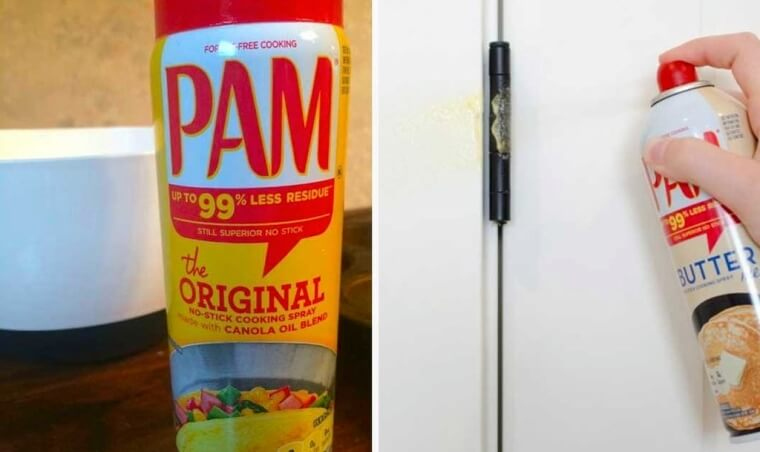
A squeaky hinge on a door, cabinet, or window can be fixed quickly with a light spray of cooking oil. The lubricant reduces friction, instantly stopping the noise. It’s a fast, inexpensive alternative to commercial lubricants.
Pool Noodle to Protect Car Doors
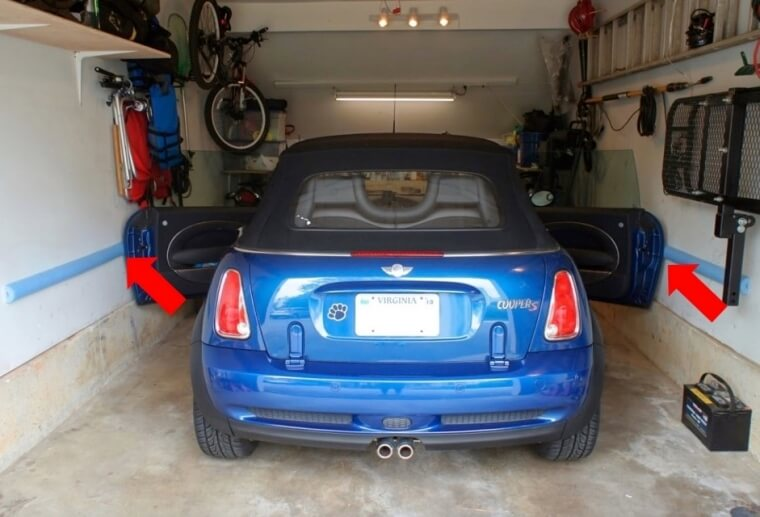
In tight garages, car doors can easily bump into walls and get scratched. Cut a pool noodle lengthwise and attach it to the wall where the door makes contact. The soft foam cushions the impact, protecting both your car and your garage walls. It’s a cheap and effective solution for small spaces.
Keep Rust Rings Away with Clear Nail Polish
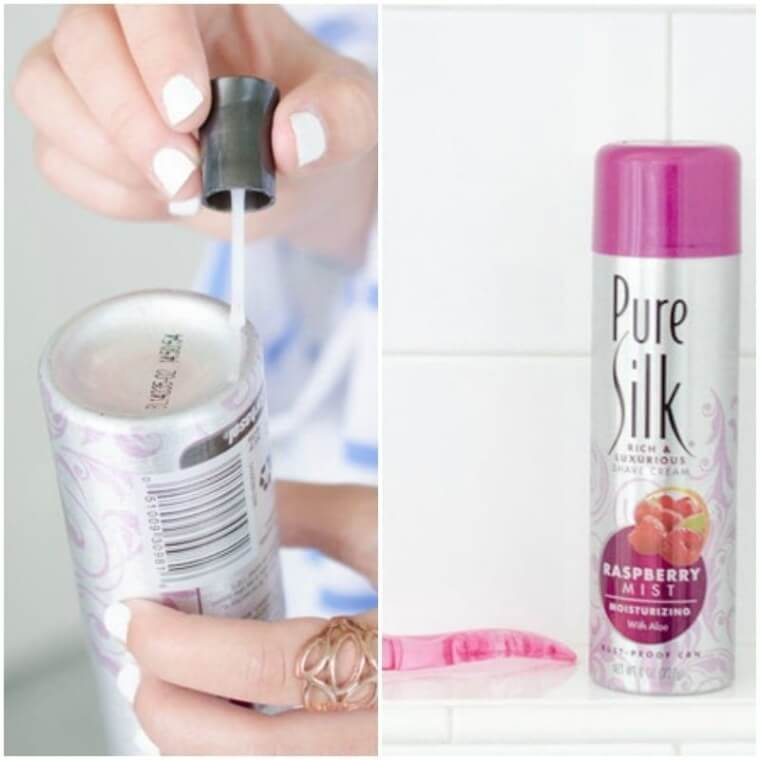
Metal containers sitting in moist environments, such as bathrooms, can leave rust circles behind. A coat of clear nail polish on the bottom of the container acts as a protective barrier, preventing moisture from reaching the metal. This simple step keeps your surfaces clean and rust-free.
How to Catch Drilling Dust With a Plastic Bottle
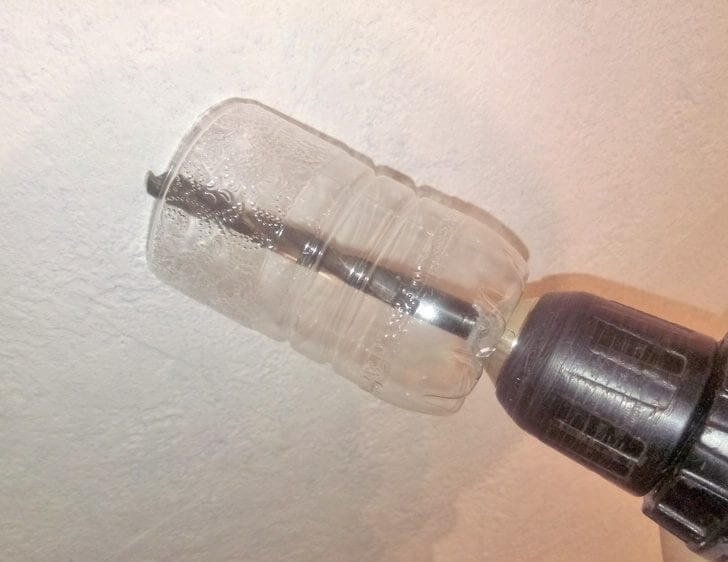
Drilling overhead or high on a wall often leads to dust falling everywhere. To keep your space clean, cut the top off a plastic bottle and slide it onto the drill bit. The bottle catches the falling dust, keeping your work area tidy and reducing cleanup time.
Use a Rubber Band to Extract Nasty Screws
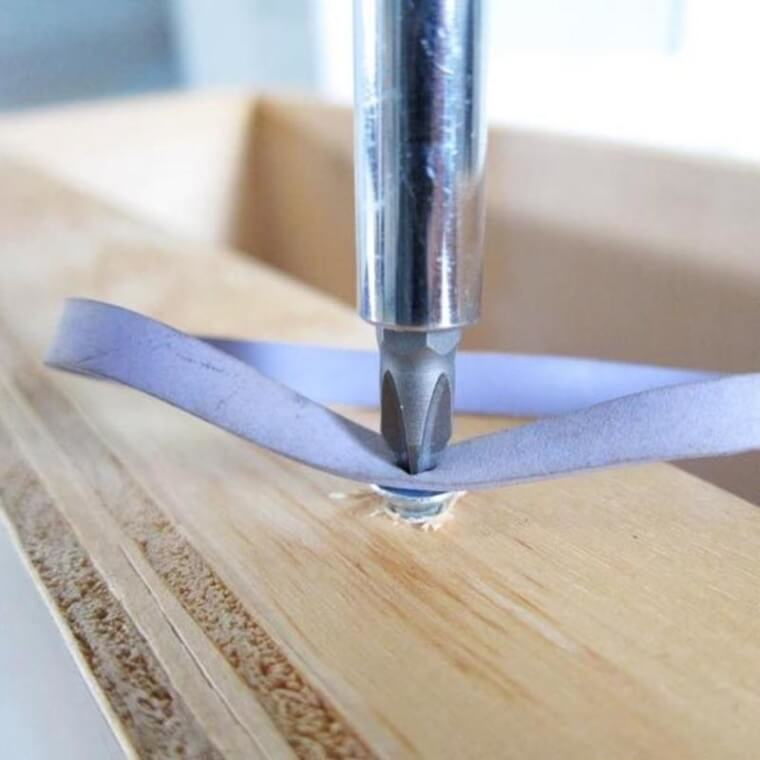
When a screwdriver keeps slipping on a stripped screw head, a simple rubber band can make a huge difference. Place a flat, wide rubber band over the screw, press the screwdriver firmly into it, and turn slowly. The rubber fills in the worn grooves, giving you the extra friction needed to loosen a damaged or stuck screw. It’s a quick, inexpensive trick that works for everything from furniture repairs to bigger weekend projects.
Mix Vinegar and Water to Strip Old Wallpaper

Peeling off old wallpaper doesn’t have to feel like a chore. A mix of hot water and vinegar—equal parts of each—can soften the glue in minutes. Roll or sponge the mixture onto the wall, give it a short moment to penetrate, and you’ll be able to remove the wallpaper with far less effort. This approach avoids harsh chemicals, keeps costs low, and makes the whole process far more manageable.
Seal Burst Pipes with Silicone Sealant

A damaged pipe can quickly turn into a stressful situation, but silicone sealant can help slow the leak until a professional arrives. Spread a generous layer of sealant over the crack or hole to temporarily block the water. While this isn’t a long-term repair, it can protect your home from additional water damage—especially useful late at night, over a holiday, or anytime help isn’t immediately available.
No More Slamming Doors with Cabinet Bumpers

If slamming doors echo through your home, cabinet-style bumpers offer a simple solution. Stick these small rubber pads along the edge of the door to soften the impact. They absorb noise, protect your doorframe, and help maintain a quieter atmosphere. It’s a low-cost fix that instantly boosts comfort and reduces wear on your doors.
Use Toothpaste to Wipe Off Furniture Scratches
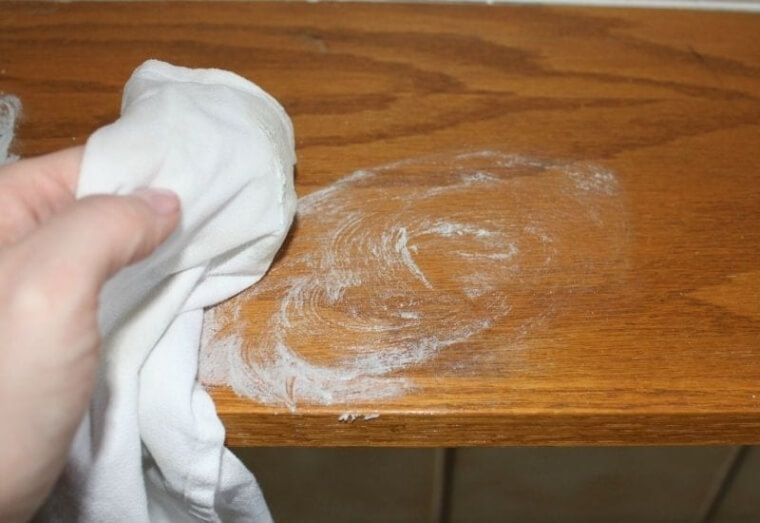
Small scratches on wood furniture don’t always require refinishing. A bit of non-gel toothpaste works as a gentle abrasive that can smooth out surface marks. Apply a tiny amount using a soft cloth and rub in circular motions. Once buffed, the scratch blends in with the surrounding wood, restoring the furniture’s polished finish with very little expense.
Wood Dents Ironed Out for the Cleanest Finish
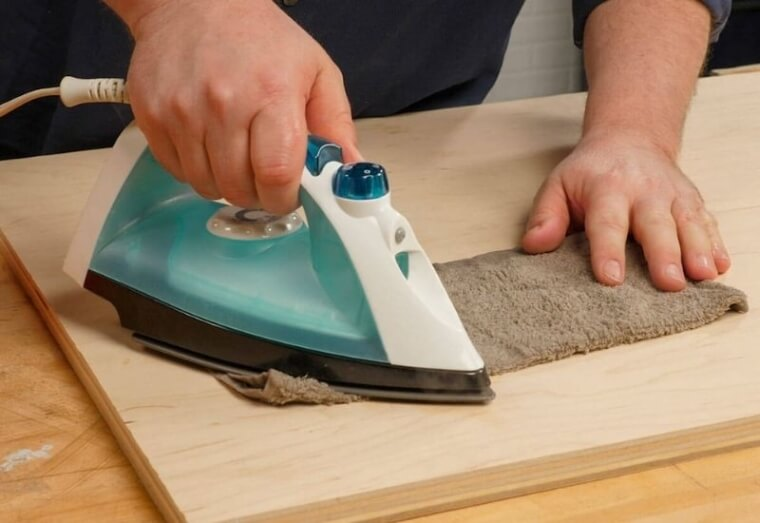
Dents in wood can look permanent, but steam can often reverse the damage. Dab the dent with water, lay a damp cloth over it, and run a hot iron in slow circles on top. The steam causes the compressed wood fibers to expand back into place, reducing or even erasing the dent entirely. It’s a surprisingly effective method for breathing new life into floors and furniture.
Want to Fix Screen Tears with Nail Polish
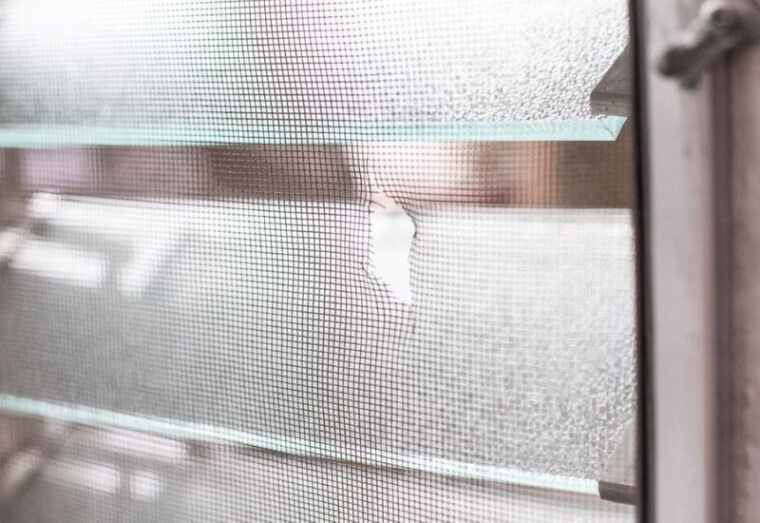
A tiny tear in a screen can invite insects indoors, but clear nail polish can keep the damage from spreading. Brush a small amount around the edges of the tear and let it dry. The hardened polish stabilizes the screen fibers, creating a nearly invisible patch. This quick fix saves you from replacing the whole screen and keeps your windows functioning smoothly.
Prevent Doors from Closing with Rubber Bands
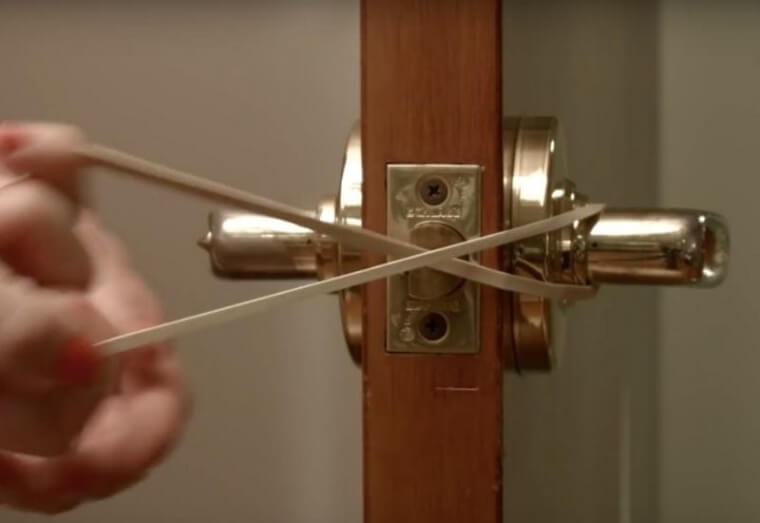
If a door keeps swinging shut or accidentally locking, a rubber band can keep it open. Loop the band around one doorknob, twist it into an X over the latch, and stretch it around the other knob. The band holds the latch back, preventing the door from clicking shut. It’s especially handy when carrying groceries, moving furniture, or letting pets wander freely.
Plastic Bottle DIY Sprinkler
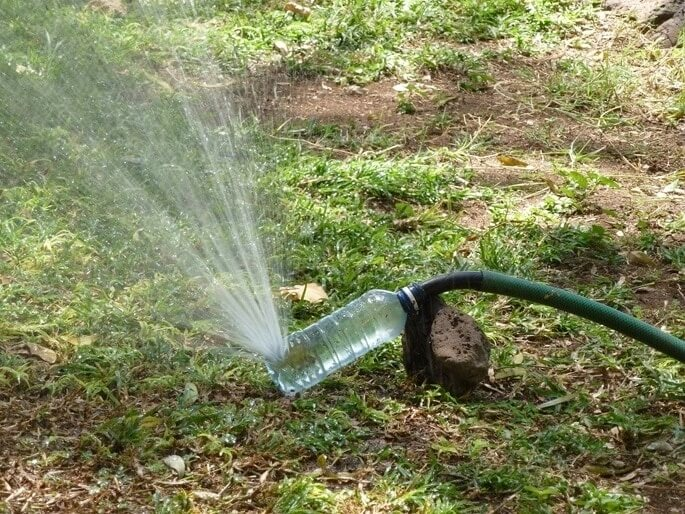
A simple plastic bottle can double as an effective garden sprinkler. Punch small holes into one side of the bottle, attach it securely to your garden hose, and turn on the water. As the bottle fills and sprays, it evenly distributes water over your lawn or plants. It’s an affordable, eco-friendly alternative to store-bought sprinklers.
Aluminum Foil to Sharpen Scissors
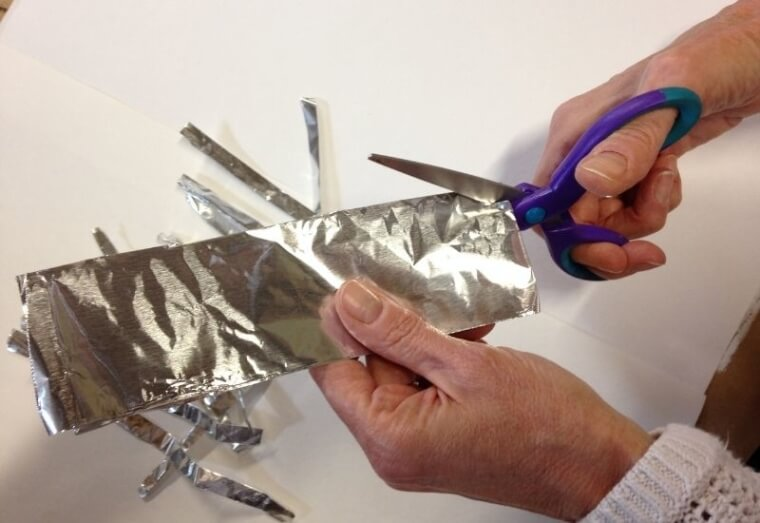
Dull scissors don’t always need professional sharpening. Fold a sheet of aluminum foil several times, then cut through it repeatedly. The metal-on-metal action helps realign and refine the scissor blades, restoring their cutting efficiency. This fast, low-cost technique extends the life of everyday scissors without special tools.
Unstick Locks with a Pencil
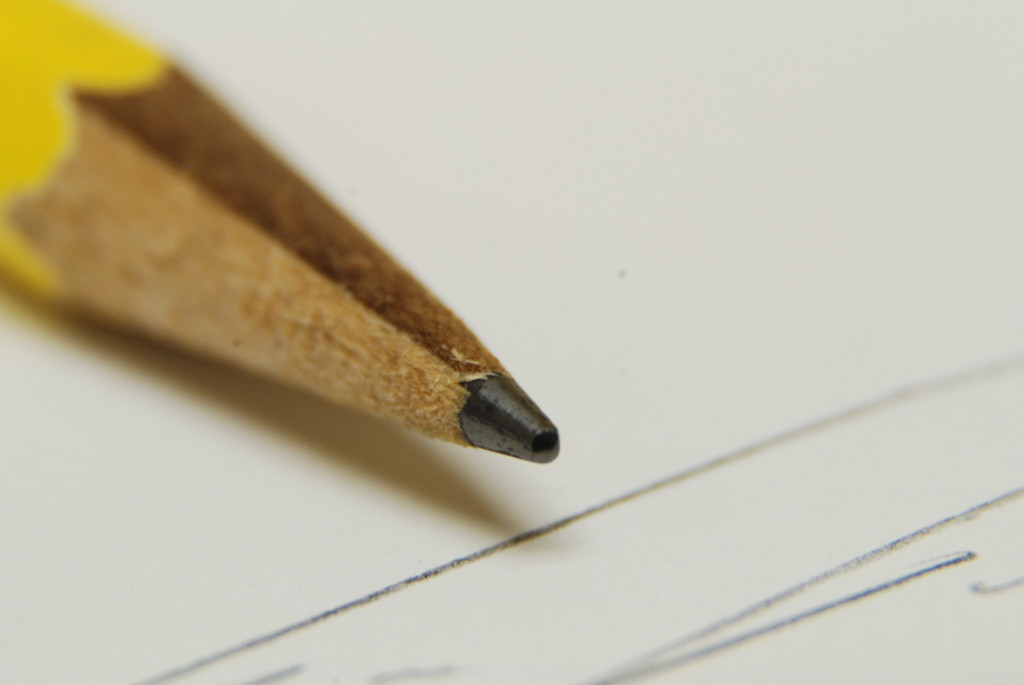
A sticky lock can often be fixed with nothing more than a pencil. Rub the tip of a graphite pencil on your key or directly inside the keyhole. Graphite acts as a dry lubricant, making the lock mechanism smoother and easier to turn. It’s mess-free and safer for locks than using oils or greasy lubricants.
Repair Snags in Rugs with Fabric Glue
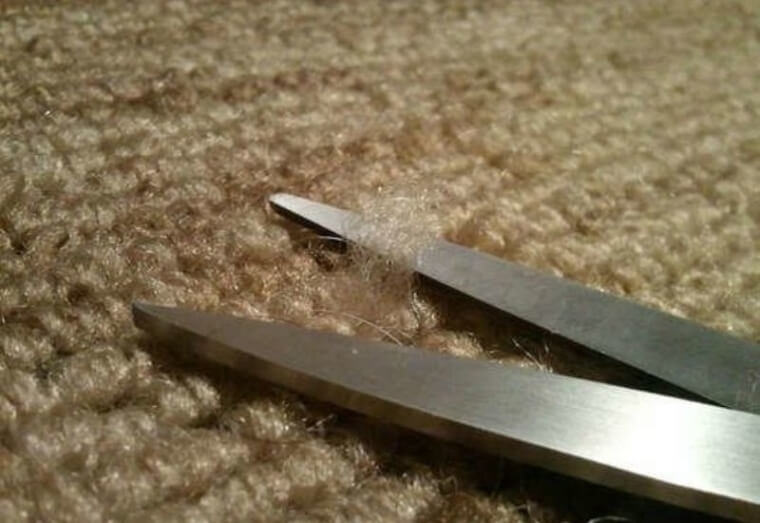
Snags in woven rugs can make them look worn, but fabric glue can help restore them. Trim any loose threads, then apply a small dab of glue at the base of the snag. Press it flat with a book or heavy object and let it set. This prevents further fraying and keeps your rug looking tidy and well-maintained.
Unclog Drains with Zip Ties
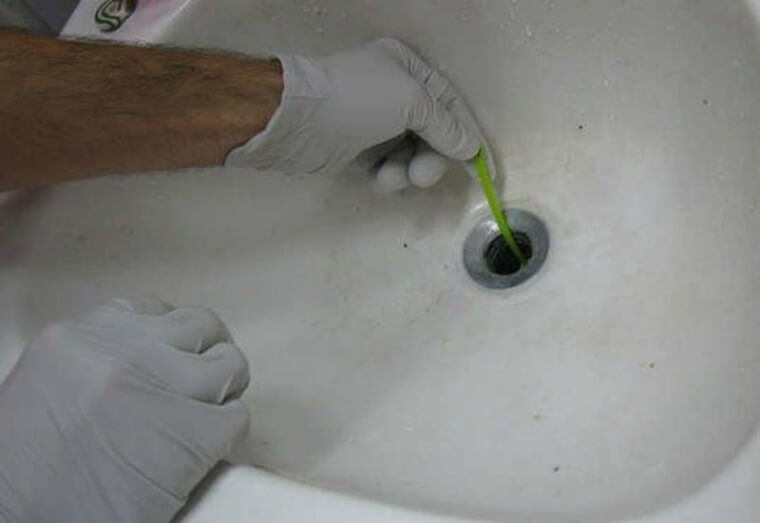
Zip ties are surprisingly useful for clearing minor clogs. Cut small barbs into one side of the tie, slide it into the drain, and rotate it gently. When pulled out, the barbs catch hair and debris, helping remove blockages without chemicals. It’s ideal for sinks and showers and saves money on drain cleaners and plumber calls.
Use Cat Litter to Remove Oil Stains
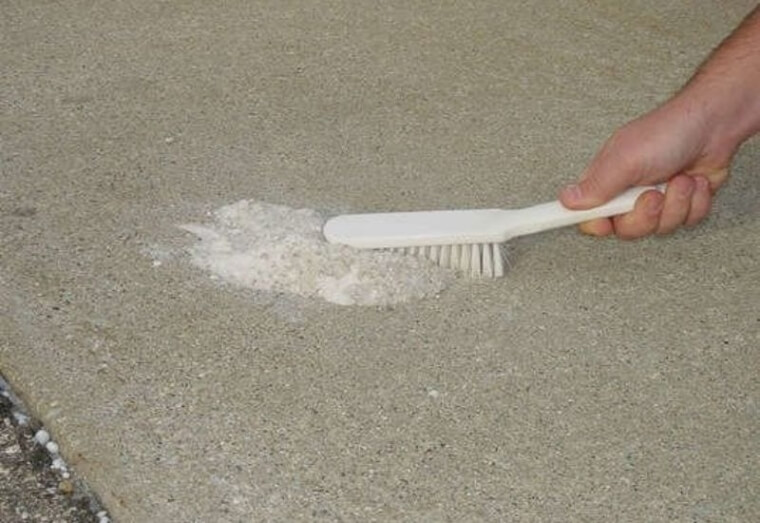
Oil stains on a driveway or garage floor can be stubborn, but cat litter absorbs them effectively. Spread a generous layer over the stain and let it sit for about 15 minutes. The litter draws out the oil, making it easier to scrub the area clean with a brush and soap. This budget-friendly method works well without harsh solvents.
Measure Drill Depth with Tape
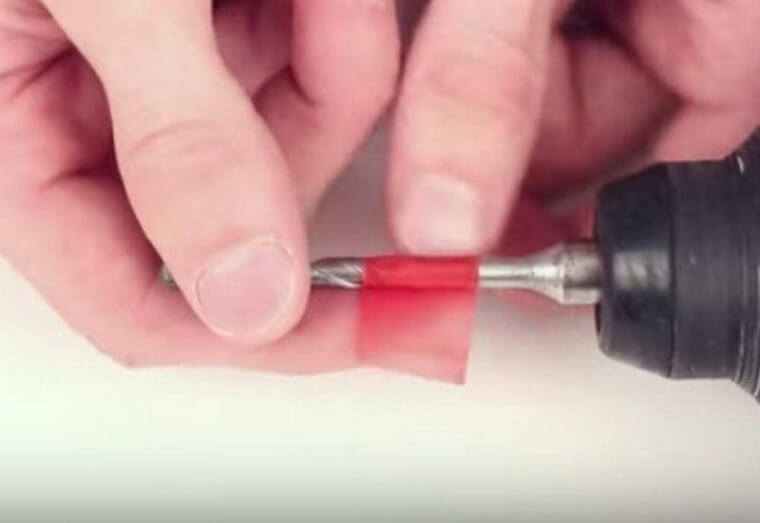
If you need to drill a hole to a precise depth, a piece of tape can act as a simple guide. Wrap the tape around the drill bit at your desired depth. When drilling, stop once the tape reaches the surface. This ensures consistent and accurate hole depth without relying on specialized attachments or tools.