
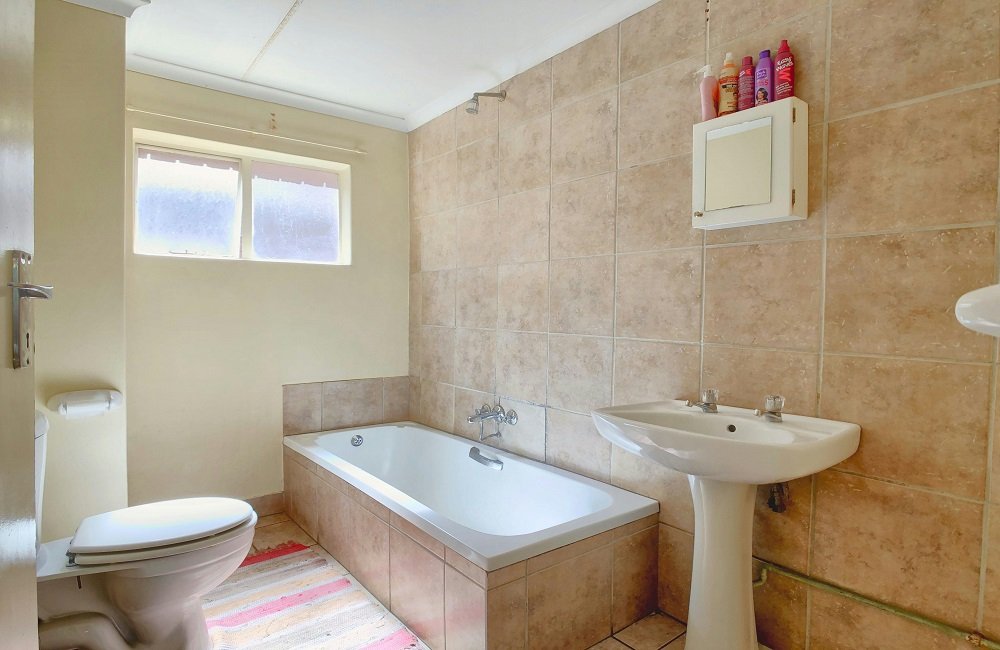
It might be difficult to keep your bathroom at a healthy humidity level, but doing so is essential to keeping your area safe and hygienic. In the bathroom, high humidity may cause a number of issues, such as mold development, peeling paint, and persistent musty odors.
Whether you’re a renter, homeowner, or do-it-yourselfer, there are practical methods you may use to manage humidity and maintain a fresh bathroom.
The Importance of Reducing Humidity in Your Bathroom
Understanding why it’s essential to manage humidity in your bathroom is the first step towards creating a healthier living environment. High humidity levels can cause:
- Mold and Mildew Growth: These fungi thrive in moist environments and can grow on walls, ceilings, and bathroom accessories.
- Peeling Paint or Wallpaper: Excessive moisture can lead to the deterioration of finishes on your walls.
- Musty Odors: Persistent dampness can create unpleasant smells that linger no matter how often you clean.
- Damp Towels and Bathmats: These items may take longer to dry, fostering an environment for mold growth.
- Warped Wooden Furniture: Wooden elements in your bathroom can warp or deteriorate due to constant exposure to moisture.
With these issues in mind, let’s explore some practical tips for reducing humidity in your bathroom.
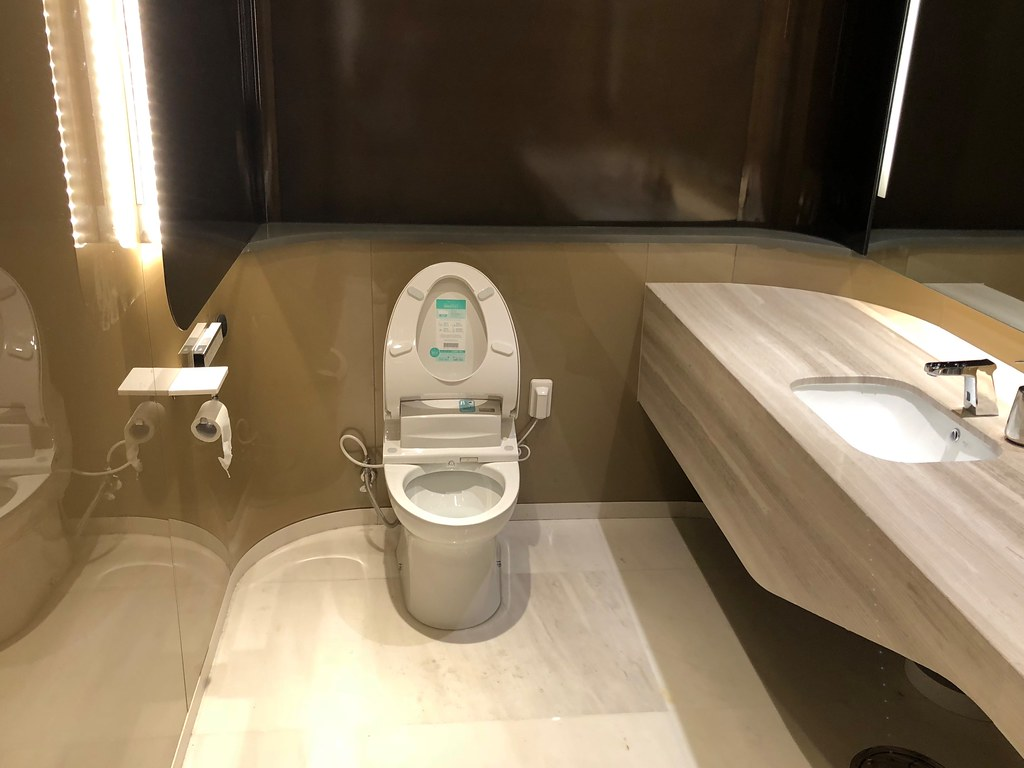
Utilize a High-Quality Exhaust Fan
Using a high-quality exhaust fan in your bathroom is one of the best methods to control humidity. These fans are made to take moisture-filled air out of your bathroom and vent it outdoors so that it doesn’t stay inside and cause issues.
When choosing an exhaust fan, consider its capacity and the size of your bathroom. A fan with insufficient power won’t effectively reduce humidity levels. Look for models that are quiet and energy-efficient, and make sure to run the fan for at least 20 minutes after showering to ensure all the moisture is expelled.
Install a Dehumidifier
Installing a dehumidifier made especially for bathroom usage might offer another level of moisture management. These little devices function by pulling in humid air, removing the moisture, and redistributing dry air into the space.
Dehumidifiers can be particularly useful in bathrooms without windows or adequate ventilation. They’re easy to use and can significantly reduce the overall humidity levels, helping to prevent mold growth and other moisture-related problems.
Ensure Proper Ventilation
The key to managing humidity in your bathroom is proper ventilation. To let in fresh air, open windows and doors whenever you can. This easy action can have a big impact on lowering the accumulation of moisture.
If your bathroom doesn’t have windows, consider installing a vent or using a portable fan to help move moist air out of the room. In some cases, installing a window may be worth the investment, particularly if you’re undertaking a larger renovation project.
Use Moisture-Absorbing Materials
Humidity may also be managed in your bathroom by selecting the appropriate materials. Start by painting your walls and ceilings using paint that resists dampness. Because of their unique recipe, these paints can tolerate high humidity levels without bubbling or peeling.
Additionally, opt for bathroom accessories made from moisture-absorbing materials. This can include bath mats, shower curtains, and towels designed to dry faster and resist mold growth. Consider using silicone caulk around the shower and tub, as it’s more resistant to moisture than traditional caulking materials.
Regularly Wipe Down Wet Surfaces
Make it a practice to wipe clean wet surfaces, such as shower walls, faucets, and worktops, after every bath or shower. By following this easy practice, you can eliminate extra moisture and stop it from raising the humidity level in your bathroom as a whole.
You can use a squeegee to quickly remove water from shower walls or a microfiber cloth for faucets and other fixtures. By removing water immediately, you reduce the risk of mold and mildew growth and keep your bathroom looking clean and fresh.
Take Shorter and Colder Showers
Your shower habits can also impact the humidity levels in your bathroom. Taking shorter and colder showers can significantly reduce the amount of steam and moisture in the air.
While a hot, steamy shower might be relaxing, it’s one of the main contributors to high humidity levels. By opting for a quicker, cooler shower, you not only save water and energy but also keep your bathroom’s humidity in check.
Addressing Common Humidity-Related Issues
Despite your best efforts, you might still encounter some common humidity-related problems in your bathroom. Here are some additional tips to address these issues:
- Mold and Mildew Growth: If you notice mold or mildew starting to form, clean it immediately with a mixture of water and bleach or a commercial mold remover. Regularly inspect your bathroom for signs of mold, particularly in hidden areas like behind the toilet or under the sink.
- Peeling Paint or Wallpaper: If your paint or wallpaper is peeling, it may be time to strip it off and replace it with moisture-resistant alternatives. This will provide a more durable finish that can withstand high humidity levels.
- Musty Odors: Persistent musty odors can often be traced back to hidden mold or damp materials. Check for leaks or hidden moisture sources and address them promptly. Using air fresheners or essential oil diffusers can help mask odors, but it’s crucial to eliminate the root cause.
- Damp Towels and Bathmats: Hang towels and bathmats to dry in a well-ventilated area. Consider using heated towel racks or investing in quick-drying materials to prevent dampness.
- Warping Wooden Furniture: Protect wooden furniture by applying a waterproof sealant. This will create a barrier against moisture, helping to preserve the integrity of the wood.
Final Verdict
To keep your bathroom safe, clean, and comfortable, you must lower the humidity levels. You may successfully control humidity levels by using a high-quality exhaust fan, setting up a dehumidifier, making sure there is enough ventilation, and selecting materials that are resistant to moisture. Furthermore, even changes like wiping off damp surfaces and having shorter, colder showers can have a big impact.
Maintaining a clean and fresh-smelling bathroom and preventing long-term damage may be achieved by swiftly and regularly taking care of typical humidity-related difficulties. Recall that constructing a cozy and healthful bathroom requires very little work.
Ready to transform your bathroom into a humidity-free haven? Start implementing these tips today and enjoy a cleaner, fresher bathroom tomorrow.