
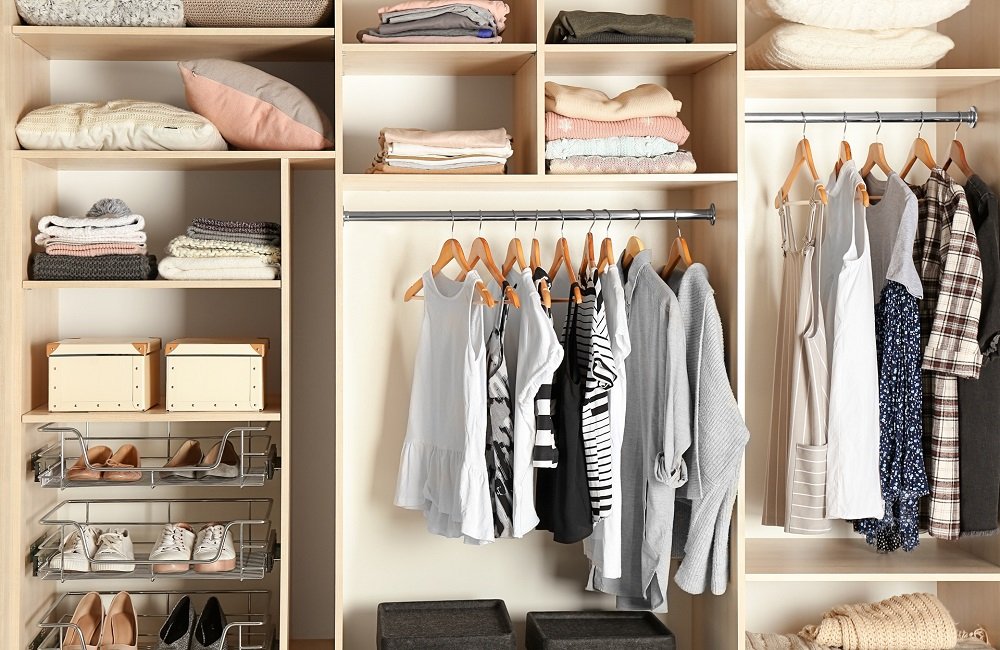
Whether you’re entering adulthood, changing your style, or just starting over after a significant life transition, starting a wardrobe from scratch might be daunting. Clothes are more than just fabric; they influence our self-perception and how we are perceived. A well-constructed wardrobe boosts self-esteem, makes everyday tasks easier, and eases the anxiety of having “nothing to wear.”
For both men and women, this book walks you through the process step-by-step without overloading you with fashion jargon or unrealistic expectations. A wardrobe that represents your individuality, suits your lifestyle, and changes with you over time is the aim.
1. Start by Understanding Your Lifestyle
Before shopping or planning outfits, take an honest look at your daily routine. A wardrobe built without considering real life ends up full of pieces you rarely touch.
Assess Where You Spend Your Time
Think about a typical week.
- Do you work in an office, a creative environment, or remotely from home?
- Do you go out often?
- Is your schedule full of gym sessions, casual meetups, or more formal gatherings?
Someone who spends six days a week in business meetings needs different essentials than someone who works from home and hits the gym daily. The best wardrobes reflect the rhythm of your life, not an idealized version of it.
Identify Your Climate
Weather dictates fabric choices more than trends do.
- Hot climates benefit from linen, cotton, and lightweight blends.
- Cold climates call for wool, knitted layers, and sturdy outerwear.
- Mixed climates require a combination of season-spanning pieces.
Building a wardrobe that ignores climate leads to money wasted and clothes that never leave the hanger.
2. Define Your Personal Style—Even If It Feels Hard
Many people think they don’t have a “style,” but everyone leans toward certain colors, silhouettes, and vibes. The trick is noticing what you naturally gravitate to.
What Colors Feel Like “You”?
Look at your favorite outfits, even if they’re old. Do you prefer:
- Neutrals like black, white, beige, navy, olive?
- Soft tones such as blush, sky blue, lavender?
- Bold colors that stand out?
Neutrals form the backbone of a versatile wardrobe, while colors add personality. You don’t need every shade—start with a palette you’ll enjoy wearing consistently.
What Clothing Makes You Feel Most Comfortable and Confident?
For women: breezy dresses, fitted trousers, oversized sweaters, structured blazers?
For men: clean-cut tees, slim chinos, relaxed fits, hoodies, jackets?
Comfort isn’t a weakness—it’s a clue. Clothes that feel good usually make you look good because you wear them with more ease and confidence.
Create a Style Mood Board
A simple Pinterest board or a saved collection on Instagram helps you visualize your goals. Over time, patterns appear: similar colors, common textures, repeating outfit types. These become your style guide.
3. Build the Foundation: Wardrobe Essentials for Both Men and Women
Whether your style is minimalist or expressive, every solid wardrobe has foundational pieces that mix and match easily. Think of these as building blocks—you can add personality later.
Tops
- High-quality basic T-shirts (2–4): White, black, and one neutral or muted color.
- Button-down shirts (1–2): For men: crisp white or light blue. For women: classic cuts or relaxed silhouettes.
- Smart casual tops: Polos for men, blouses or elevated casual tops for women.
Bottoms
- Dark denim jeans: Slim, straight, or relaxed depending on your body and style.
- Neutral trousers: Black, navy, beige, or grey.
- Casual bottoms: Joggers or comfortable pants for off-days.
Layering Pieces
- A versatile jacket: Denim jacket, bomber, or lightweight coat.
- A cardigan or knit sweater: Works across seasons.
- A blazer: Instantly transforms simple outfits into polished looks.
Dresses & Skirts (for women)
- One everyday dress: Something breathable and easy to style.
- A simple skirt: Midi or A-line in a neutral tone.
Accessories
- Simple belts, jewelry, or watches: Minimal pieces that elevate outfits without overpowering them.
- Two essential bags: A small everyday bag/backpack and a more structured one for work or going out.
- Scarves, hats, sunglasses: Functional but stylish extras.
Shoes
- Everyday sneakers: Clean, comfortable, and easy to match.
- Dress shoes: Loafers, heels, or smart flats depending on gender and preference.
- Seasonal footwear: Boots for colder months, sandals for warmer climates.
The exact items depend on your personality, but most wardrobes benefit from neutral basics that pair well with bolder, more expressive pieces.
4. Prioritize Fit Above All Else
You can buy the most expensive clothing in the world, but if it doesn’t fit well, it won’t look good. Fit transforms your appearance more than logos or price tags ever will.
Why Fit Matters
- Your posture looks better.
- Clothes sit naturally on your body.
- Outfits look intentional instead of accidental.
- You feel more comfortable and confident.
For Men
Pay attention to shoulder seams on shirts and jackets, the rise and taper of trousers, and sleeve lengths.
For Women
Notice how garments skim the body rather than cling or hang awkwardly. Shoulder fit, waist placement, and hem lengths all change how an outfit looks and feels.
Consider Tailoring
A small adjustment—hemming pants, nipping a shirt, tightening a waistband—can make affordable clothes look far more expensive.

5. Introduce Statement Pieces Slowly
Once your basics are set, you can bring in items that reflect your personality more strongly—bold colors, playful silhouettes, unique textures, or eye-catching accessories.
For Men
- A patterned shirt
- A standout jacket
- Unique sneakers
- A watch with character
- Textured sweaters or vintage pieces
For Women
- Patterned blouses
- A vibrant dress
- Jewelry that expresses your mood
- Bags in interesting shapes or materials
- Outerwear with personality
These pieces shouldn’t replace your essentials but complement them. They help you express your identity while keeping your wardrobe functional.
6. Shop Smarter, Not More
Building a wardrobe from scratch doesn’t mean buying everything at once. In fact, slow building leads to better results because you learn what you truly wear.
Make a Short Shopping List
Instead of buying impulsively, identify the next two or three items you need most. For example:
- “A black blazer, a pair of neutral sneakers, and a white tee.”
- “A pair of trousers, a blouse, and a cardigan.”
Focused shopping prevents waste and keeps your wardrobe coherent.
Understand Fabric Quality
Pay attention to materials:
- Natural fabrics like cotton, linen, wool, and silk usually breathe better and last longer.
- Blends can be practical, especially for stretch and maintenance.
- Prioritize comfort, durability, and how the fabric feels on your skin.
Avoid Fast-Trend Overload
Trends come and go quickly. It’s fine to experiment, but don’t rely on trends as the main structure of your wardrobe. Use them as accents, not foundations.
7. Build Seasonally and Layer Wisely
A well-rounded wardrobe works year-round. Instead of completely separate seasonal wardrobes, aim for pieces that transition easily.
In warm weather
- Light fabrics
- Airy silhouettes
- Neutral basics that stay breathable
In cold weather
- Layering pieces like sweaters and coats
- Accessories such as scarves and gloves
- Boots and thicker fabrics
Layering not only keeps you comfortable but extends the life of each item throughout the year.

8. Take Care of Your Clothes
A wardrobe you care for lasts longer and looks nicer, which saves money and time in the long run.
Basic Care Tips
- Follow wash instructions—don’t guess.
- Use gentle detergents for delicate fabrics.
- Hang or fold appropriately to avoid stretching.
- Keep shoes clean and conditioned.
Store Seasonally
In small spaces, consider rotating wardrobes by season. Store thick winter coats or heavy boots when not needed, making room for items you actually wear.
9. Evolve Your Wardrobe as You Grow
A wardrobe isn’t a fixed structure—it grows with you. Over time, your job, hobbies, body shape, taste, and priorities may shift. Review your clothes regularly.
Ask Yourself:
- Do I still love this?
- Does it still fit comfortably?
- Do I reach for it often?
- Does it still represent who I am today?
A wardrobe that adapts stays useful and avoids unnecessary clutter.
Final Thoughts
Starting from scratch may feel overwhelming, but it becomes easier when done step by step. Begin with lifestyle, define your style, invest in basics, choose quality over quantity, and allow your wardrobe to evolve over time. Fashion doesn’t have to be complicated—it just needs to make you feel good and function well in your everyday life.
Whether you lean toward classic minimalism, vibrant trends, or somewhere in between, the best wardrobe is one that reflects your unique personality while giving you confidence in every situation.