
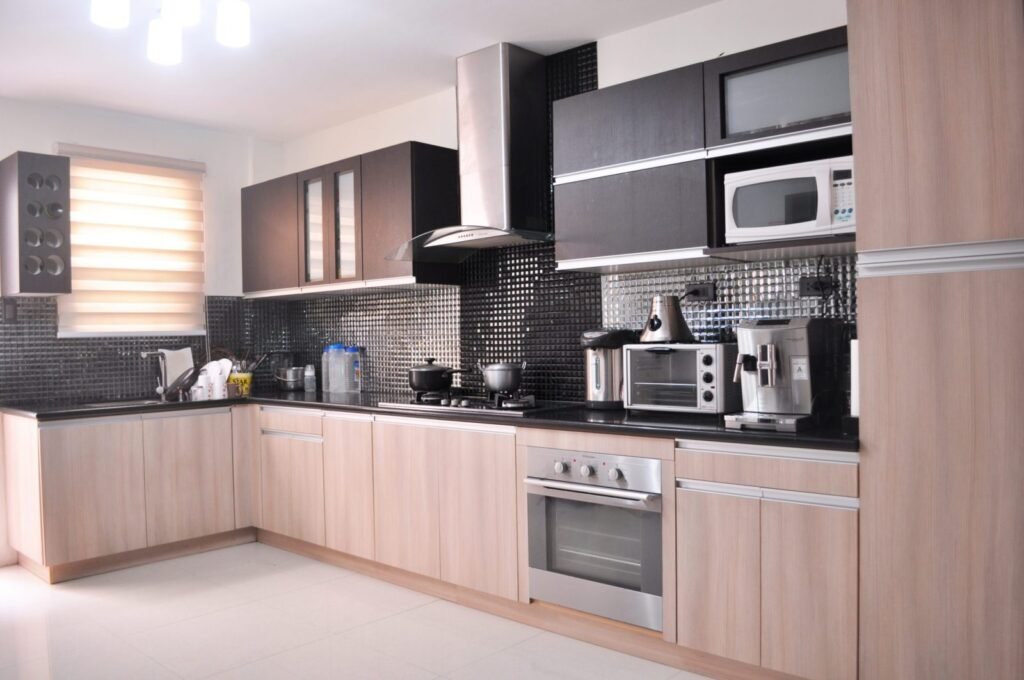
The kitchen is more than just a place for cooking; it’s often the heart of the home where families gather to share meals and create memories. As one of the most significant components of any kitchen design, cabinets play a crucial role.
They not only provide essential storage but also shape the overall aesthetic of the room. Whether you’re a DIY enthusiast, an interior designer, or a homeowner updating your kitchen, selecting the right cabinets can have a profound impact. This guide will help you make informed decisions to choose the ideal kitchen cabinets for your home.
Understanding Your Needs
Before shopping for kitchen cabinets, it’s essential to assess your specific needs. Consider your kitchen size, storage requirements, and personal style preferences.
Assessing Kitchen Size
The size of your kitchen will significantly influence your cabinet choices. In a smaller kitchen, maximizing every inch of space is crucial, while a larger kitchen provides more flexibility in layout and design. Measure your kitchen dimensions accurately to ensure a proper fit for your cabinets.
Identifying Storage Needs
Evaluate what items you need to store. Whether you require extra room for pantry items or have numerous appliances and utensils, compiling a list of your storage needs will guide your cabinet selection.
Personal Style Preferences
Your kitchen should reflect your personality and style. Whether you prefer a modern, sleek look or a traditional, cozy feel, your cabinets are integral to achieving the desired aesthetic.
Cabinet Types and Materials
Understanding the various types of kitchen cabinets and the materials they are made from will help you make an informed choice.
Types of Kitchen Cabinets
- Stock Cabinets: These are pre-manufactured and available in standard sizes and limited styles. They are budget-friendly but offer less customization.
- Semi-Custom Cabinets: These provide more design flexibility and can be modified to fit your specific needs. They are a mid-range option in terms of cost and customization.
- Custom Cabinets: Made to order, custom cabinets can be tailored to any size, style, or material preference. They are the most expensive option but offer the highest level of personalization.
Common Materials
The material of your cabinets affects their appearance and durability. Popular options include:
- Wood: Offers a timeless, classic look and can be stained or painted. Common types include oak, maple, cherry, and walnut.
- Laminate: Made from a thin layer of plastic material over particleboard or MDF. Affordable and easy to clean, available in various colors and patterns.
- Metal: Typically stainless steel, providing a modern, industrial look. Durable and easy to maintain but more expensive.
- Thermofoil: A vinyl material over fiberboard, offering a smooth appearance. Prone to peeling or chipping but cost-effective.
Additional Considerations
Beyond the type and material of your kitchen cabinets, consider these factors:
Hardware
The handles, knobs, and hinges on your cabinets affect both appearance and functionality. Choose hardware that complements your cabinet style and is comfortable to use.
Storage Solutions
Consider features like drawers, pull-out shelves, and built-in dividers to maximize storage and improve accessibility.
Budget
Cabinets are a significant investment, so setting and sticking to a budget is crucial. Higher quality materials and custom options will generally cost more.
Installation
Proper installation ensures the longevity and functionality of your cabinets. If unsure about DIY installation, hiring a professional may be worth the investment.
Maintenance
Cabinets require regular cleaning and occasional touch-ups. Choose materials and finishes that align with your maintenance preferences.
Design Trends and Styles
Staying current with design trends can help create a kitchen that is both stylish and functional.
Popular Cabinet Styles
- Shaker: Known for their simple, clean lines and minimalistic design, Shaker cabinets work well in both traditional and modern kitchens.
- Flat-Panel: Also known as slab cabinets, these have a sleek, modern appearance with no raised or recessed panels.
- Inset: Featuring doors that sit within the cabinet frame, inset cabinets offer a smooth, flush look and are often associated with high-end, traditional kitchens.
Current Design Trends
- Two-Tone Cabinets: Combining different colors or finishes adds visual interest and depth.
- Open Shelving: Allows you to showcase dishes and décor while keeping frequently used items accessible.
- Matte Finishes: Offer a sophisticated, understated look that is becoming increasingly popular.
Budget Considerations
Setting a budget for your kitchen cabinets is essential to avoid overspending. Here are some tips to help you stay within your budget without sacrificing quality:
Establishing Your Budget
Determine how much you are willing to spend on cabinets, considering the overall cost of your kitchen renovation. Allocate a reasonable portion of your budget specifically for cabinets.
Cost-Saving Tips
- Opt for Stock or Semi-Custom Cabinets: These options provide excellent quality at a lower price compared to custom cabinets.
- Choose Affordable Materials: Laminate and MDF are budget-friendly options that offer durability and style.
- DIY Installation: If you have the skills, installing the cabinets yourself can save on labor costs.
Selecting the Right Cabinet Hardware
Cabinet hardware significantly impacts both the look and functionality of your kitchen cabinets.
Matching Hardware to Cabinet Style
Choose hardware that complements the design of your cabinets. Sleek, contemporary cabinets pair well with simple hardware, while traditional cabinets may benefit from more elaborate pulls and knobs.
Functionality Matters
Ensure that the hardware is comfortable to use and durable enough for daily wear and tear. Coordinating hardware with other fixtures in your kitchen, such as faucets and lighting, creates a cohesive look.
Installation and Maintenance
Proper installation and maintenance are crucial for ensuring the longevity and functionality of your kitchen cabinets.
Professional vs. DIY Installation
Decide whether to install the cabinets yourself or hire a professional. DIY installation can save money but may require expertise to ensure a precise fit and finish. Professional installation guarantees accuracy and can handle any complexities.
Maintenance Tips
Regularly clean cabinets with a gentle cleaner and soft cloth. Avoid abrasive materials that can damage the finish. Address issues such as warped doors or loose hinges promptly to maintain cabinet functionality.
When to Seek Professional Help
For problems like water damage or significant wear and tear, consulting a professional for repairs can ensure proper maintenance and prolong the lifespan of your cabinets.
Trends in Eco-Friendly Cabinetry
Sustainability is an important consideration for many homeowners. Eco-friendly cabinetry helps reduce environmental impact.
Sustainable Materials
Look for cabinets made from eco-friendly materials such as bamboo, repurposed wood, or wood with FSC certification. These options are often more durable and environmentally friendly.
Low-VOC Finishes
Choose cabinets with low-VOC (volatile organic compounds) finishes to improve indoor air quality and reduce harmful emissions.
Certification Standards
Seek certifications like GREENGUARD or LEED to ensure your cabinets meet high environmental and health standards.
Maximizing Storage Solutions
Optimizing cabinet space helps make the most of your kitchen storage.
Pull-Out Shelves
Pull-out shelves provide easy access to items stored in the back of your cabinets, making it easier to find and retrieve what you need.
Lazy Susans
Lazy Susans are rotating shelves that improve accessibility in corner cabinets, maximizing otherwise difficult-to-use space.
Built-In Dividers
Built-in dividers and organizers help keep your cabinets neat and tidy, facilitating efficient storage of kitchen essentials.
Combining Cabinets with Other Kitchen Elements
Integrating your cabinets with other kitchen components creates a unified design.
Coordinating Countertops
Select countertops that compliment your cabinet color and style. Whether you choose granite, quartz, or butcher block, the right countertop enhances your kitchen’s overall look.
Matching Backsplashes
Choose a backsplash material such as tile, glass, or metal that coordinates with your cabinets. A well-chosen backsplash ties the design together.
Integrating Appliances
Select appliances that match your cabinet style and finish. Built-in appliances that blend seamlessly with your cabinets contribute to a streamlined, cohesive appearance.
Conclusion
Designing a kitchen that is both beautiful and functional requires careful consideration of your cabinet options. By understanding your needs, exploring various types and materials, staying up-to-date with design trends, and considering eco-friendly solutions, you can select cabinets that fit your style and lifestyle. Don’t forget to maximize storage solutions and integrate your cabinets with other kitchen elements for a cohesive design.