

Have you ever woken up with a headache or a sore neck? It might be the fault of your cushion! A comfortable pillow is necessary for both general health and restful sleep. This blog will help you discover the ideal pillow to enhance your quality of sleep and overall health.
In order to help you select the best cushion for your requirements, we’ll go over everything from understanding sleep postures to testing pillows.
Understanding Sleep Positions

The Basics of Sleep Positions
We all have our favorite sleep positions, whether it’s lying on our back, side, or stomach. Each position affects your body differently and requires a specific type of pillow for optimal support and comfort.
Back Sleepers
Back sleepers need a medium-thickness pillow that supports the natural curve of the neck. A pillow that’s too high can cause neck strain, while a pillow that’s too low won’t provide enough support.
Side Sleepers
Side sleepers need a firmer, higher pillow to fill the space between the shoulder and the ear. This helps keep the spine aligned and prevents neck pain. Avoid using a soft or flat pillow, as it can cause your head to sink and put strain on your neck.
Stomach Sleepers
Stomach sleepers should use the thinnest pillow possible or no pillow at all. This position can cause strain on the neck and back, so it’s important to have minimal support from the pillow.
Try these pillows that we purchased. These are great pillows and we have tried them in our bedroom:
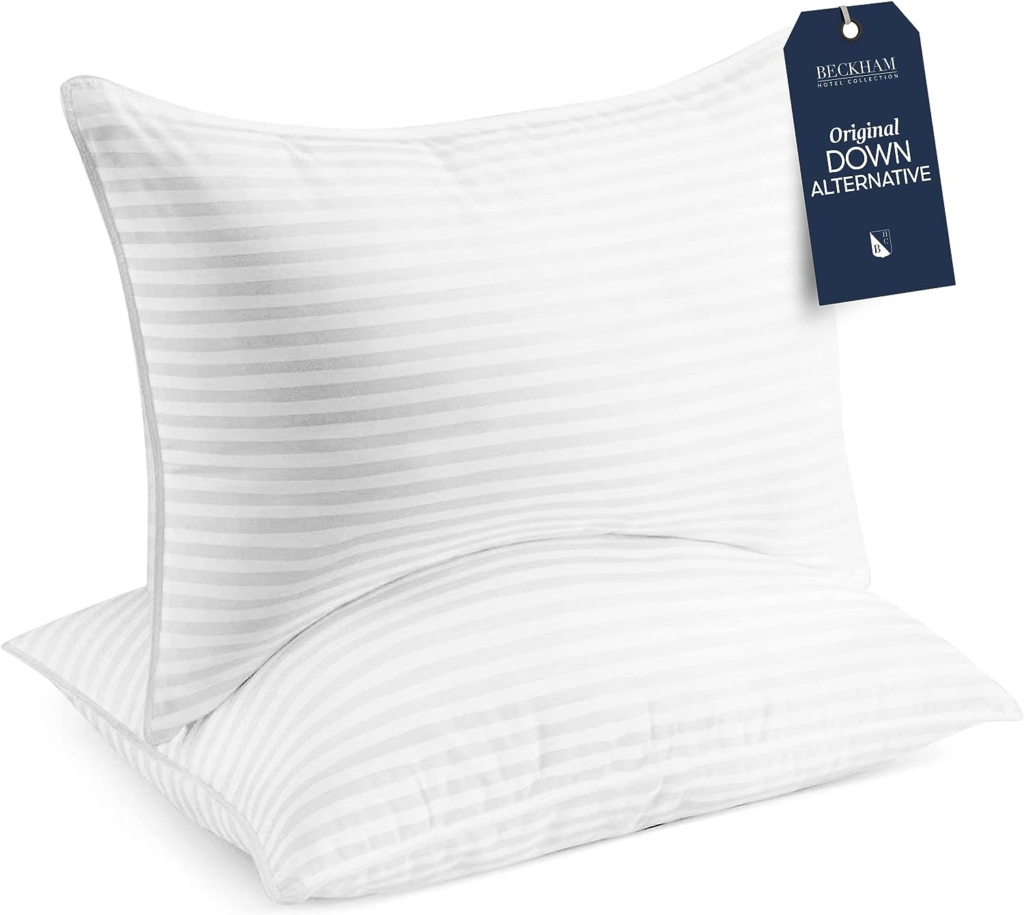
This pillow is a best seller. No doubt that this is a best seller since its softness will make you fall asleep comfortably and fast!
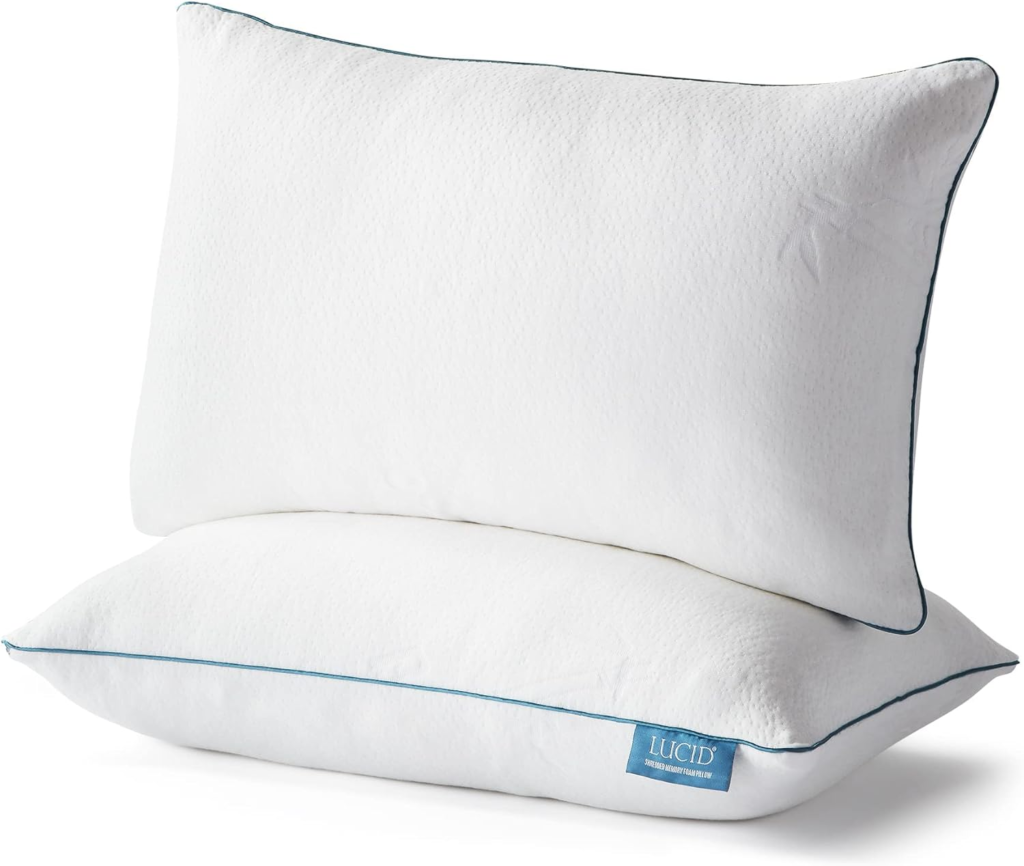
This one is cheaper than the first one. However, this pillow is a good choice since it has a good quality for its low price.
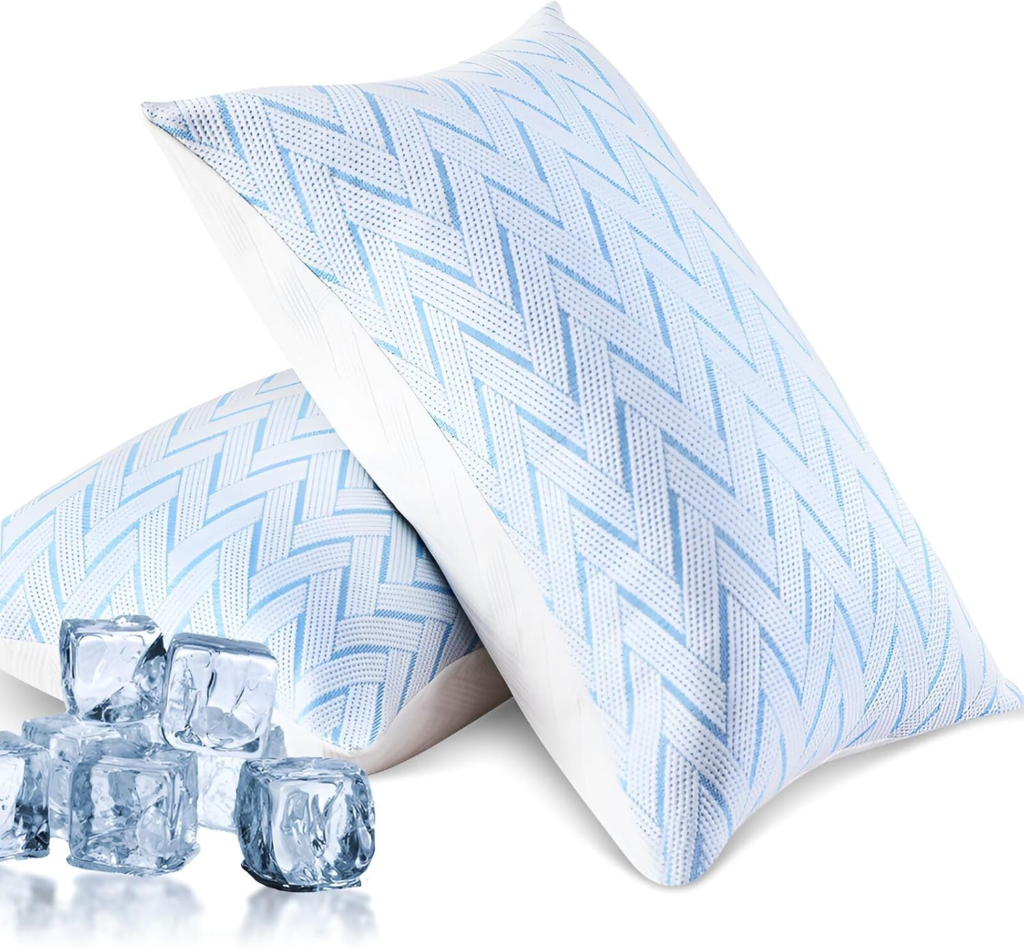
Materials

Memory Foam Pillows
Memory foam pillows conform to the shape of your head and neck, providing excellent support. They’re great for relieving pressure points but can retain heat, making them less suitable for hot sleepers.
Latex Pillows
Latex pillows offer firm support and are naturally hypoallergenic and resistant to dust mites. They’re a bit more breathable than memory foam but can feel a bit too firm for some people.
Down and Feather Pillows
You may fluff these opulent, velvety pillows to the appropriate loft. They are more comfortable for stomach sleepers since they provide less support than latex or foam. They might, however, require frequent replacement because they can cause allergies.
Synthetic Fill Pillows
Synthetic fill pillows mimic the feel of down but are hypoallergenic and often more affordable. They’re less supportive and durable than other options but are easier to care for.
Sustainable and Health Considerations
When choosing a pillow, consider the materials’ sustainability and potential health impacts. Organic cotton, bamboo, and natural latex are environmentally friendly options. Avoid pillows with harmful chemicals or strong odors, as these can affect your health and sleep quality.
Factors to Consider When Choosing a Pillow
Support Level
Different sleep positions require varying levels of support. Ensure your pillow provides adequate support to maintain spinal alignment and prevent neck pain.
Allergies and Sensitivities
If you have allergies or sensitivities, opt for hypoallergenic materials like latex, organic cotton, or synthetic fills. Avoid down and feather pillows, which can harbor allergens.
Longevity and Care
Consider the pillow’s durability and maintenance requirements. Memory foam and latex pillows typically last longer than down or synthetic fill pillows. Look for pillows with removable, washable covers to maintain cleanliness and extend their lifespan.
Personal Preferences
The ideal pillow for you will ultimately rely on your tastes. Would you rather it be fluffy and soft, or would you rather have more support? To select the ideal pillow for your requirements, take into account elements like material, loft, and firmness level.
Personalized Pillow Selection Guide

Step-by-Step Questionnaire
- What is your primary sleep position? (Back, side, stomach)
- Do you have any allergies or sensitivities? (Yes, no)
- Do you prefer a soft, medium, or firm pillow? (Soft, medium, firm)
- Are you a hot sleeper? (Yes, no)
- How much are you willing to spend on a pillow? (Low, medium, high)
Recommendations Based on Your Answers
- Back sleepers with allergies who prefer medium support and sleep hot might consider a latex pillow.
- Side sleepers without allergies who desire firm support and don’t mind a bit of heat could opt for a memory foam pillow.
- Stomach sleepers with allergies who prefer soft support should look at synthetic fill pillows.
Tips for Testing Pillows
In-Store Testing
Bring your own pillowcase when trying on a pillow in-store to get the real deal. Examine how the pillow supports your head and neck while you lie down in your typical sleeping posture. Don’t be afraid to take some time to make sure it feels correct.
At-Home Testing
If you’re buying online, look for retailers with generous return policies. Test the pillow at home for at least a week to see if it meets your needs. Keep the original packaging in case you need to return it.
Understanding Return Policies
Before purchasing, familiarize yourself with the store’s return policy. Ensure you can return the pillow if it doesn’t meet your expectations. Some companies offer sleep trials, allowing you to test the pillow for a set period before deciding. Others may charge a restocking fee for returns.
Finding the Right Pillow for You
Selecting the ideal cushion ultimately boils down to your taste. Try out a variety of pillow varieties until you locate the one that provides the most support and comfort for your needs. Don’t be scared to try out different kinds. When making your decision, do not forget to take into account additional elements like budget, sleep posture, and allergies. By keeping these suggestions and advice in mind, you should have no trouble finding the ideal cushion and enjoying a restful night’s sleep.
There isn’t a “one size fits all” approach to choosing a cushion. Since every person has different wants and preferences, finding the ideal pillow may require some trial and error. If the first pillow you try isn’t comfortable, don’t give up; keep trying until you discover one that meets your needs.
Taking Care of Your Pillow
Once you’ve found the right pillow, it’s important to take care of it to prolong its lifespan. Follow the manufacturer’s instructions for washing and drying, and consider using a protective cover to prevent stains and damage. Fluffing your pillow regularly can also help maintain its shape and support over time.
Importance of Replacing Pillows
Pillows should be replaced every one to two years because over time they collect dirt, oils from our skin, and dust mites. This may result in poorer hygiene and support, which will affect how well you sleep. It could be time to get a new pillow if you find the one you have is no longer as comfortable or supportive as it once was. If you suffer from allergies or other respiratory conditions, it’s particularly critical to replace your pillows because worn-out ones may contain allergens that exacerbate symptoms.
Additional Tips for Better Sleep
Aside from finding the perfect pillow, there are other factors that can contribute to a good night’s sleep. Maintaining a consistent bedtime routine and keeping your bedroom cool, dark, and quiet can help promote better sleep. It’s also important to limit screen time before bed and avoid consuming caffeine or heavy meals close to bedtime. With these tips in mind, you’ll be well on your way to achieving restful and rejuvenating sleep every night. So, it’s essential to take care of your pillow and replace it when necessary to ensure you’re getting the best sleep possible.
Incorporating relaxation techniques such as deep breathing, meditation, or gentle stretching can also aid in falling and staying asleep. Creating a comfortable and inviting sleep environment with soft sheets, cozy blankets, and a supportive mattress can also greatly improve the quality of your sleep. It’s important to prioritize self-care and make sleep a priority for overall health and well-being. With proper pillow care and other healthy habits, you will be on your way to getting the restful sleep you deserve.
Conclusion
Selecting the proper pillow is essential to getting a good night’s sleep and preserving general health. Don’t forget to take into account your preferred material, allergies, support requirements, and sleeping posture. You can choose the ideal pillow to support restful sleep and wakefulness by using our advice and trying out various possibilities.
Make your sleep health a priority and get a good pillow right now. Please spread the word about this post to anybody you think could use these suggestions, and check out our associated material for even more information on getting the best sleep possible.
Making healthy sleep practices a priority and taking proper care of your pillow will help you sleep better overall and wake up feeling refreshed. Never undervalue the importance of getting a good night’s sleep; prioritize it in your daily schedule and observe improvements in your mood, energy level, and general health.