

Designing a bedroom that defies gender stereotypes is more than just a trendy design trend; it’s a meaningful way to make spaces welcoming to all people. In a world where identity can change with time, your living space should honor and represent the flexibility of human identity.
This blog post will walk you through the process of designing a gender-neutral bedroom, offering helpful advice and ideas to make your room both adaptable and welcoming.
Understanding the Concept of Gender-Neutral Design
It’s important to comprehend gender-neutral design before delving into the design components. As the name implies, the goal of a gender-neutral bedroom is to create a space that is friendly and comfortable for all individuals, regardless of their gender identification, rather than catering to any one gender. Instead of decorating with typical gender preconceptions, the area aims to create a welcoming and inclusive ambiance.
Choosing a Color Palette
Selecting a color scheme is the most important step in designing a gender-neutral bedroom. Despite the fact that blue and pink are typically associated with being “feminine” and “masculine,” respectively, there are many more hues that can be used to create a gender-neutral aesthetic. Beige, olive green, and terracotta are examples of earthy tones that work well together to create a cozy and welcoming ambiance without being overly dramatic or striking. Without being unduly gender-specific, soft pastel hues like lavender, mint, and peach can also provide a delicate touch.
Playing with Textures
Another fantastic approach to give your bedroom personality and depth without changing its gender is to add textures. To make a room feel warm and inviting, mix in various textures using pillows, blankets, rugs, and drapes. Wicker or rattan furniture can provide warmth and an organic element to the space. To create visual appeal, you can also combine different materials like velvet, cotton, and linen.
Embracing Minimalism
A gender-neutral bedroom is all about simplicity and minimalism. Avoid cluttering the space with too many decorative items or furniture pieces. Keep only the essentials and let the design elements speak for themselves. A clean and uncluttered space not only looks aesthetically pleasing but also creates a sense of calmness and tranquility.
Incorporating Natural Elements
Any space, including a gender-neutral bedroom, can be made more lively and airy by adding natural features. Adding natural wood accents, dried flowers, or potted plants to your design can all help to create a calm and welcoming feel. Not to mention, it gives the area a pop of color and texture.
Personalization
Just because your bedroom is gender-neutral doesn’t mean it can’t reflect your personality. Use artwork, photographs, or personal mementos to add a personal touch to the room. This will make the space feel more unique and inviting while still maintaining its neutral aesthetic.
What is Gender-Neutral Design?
Gender-neutral design refers to creating spaces that do not conform to traditional gender-specific aesthetics. Instead of using typical ‘masculine’ or ‘feminine’ colors, patterns, and furniture, gender-neutral design focuses on inclusivity and personalization. The objective is to create a space that feels welcoming to everyone, regardless of their gender identity, and reflects the individuality of its occupant.
Why Inclusive Spaces Matter
Fostering a sense of comfort and belonging is the foundation of creating inclusive places, which extends beyond aesthetics. Traditional bedroom designs might not be a good fit for people who identify as gender fluid. They can find a haven where they truly feel at home in an accepting, gender-neutral bedroom. These places are necessary for mental health and self-expression because they offer a safe haven away from preconceptions and society expectations.
Understanding Gender-Fluidity

What is Gender-Fluidity?
Gender-fluidity is a concept where an individual’s gender identity is not fixed and can change over time. This fluidity means that traditional binary gender norms (male and female) do not apply. Gender-fluid individuals may identify as one gender one day and another the next or feel a blend of both or neither.
How Gender-Fluidity Influences Personal Spaces
Personal spaces, like bedrooms, should reflect the flexibility inherent in gender-fluid identities. A bedroom that can adapt to the occupant’s changing needs and preferences is crucial. Incorporating versatile elements and avoiding stereotypical design choices can make the space more accommodating and reflective of the occupant’s identity.
Principles for a Gender-Neutral Bedroom

Use of Neutral Colors and Patterns
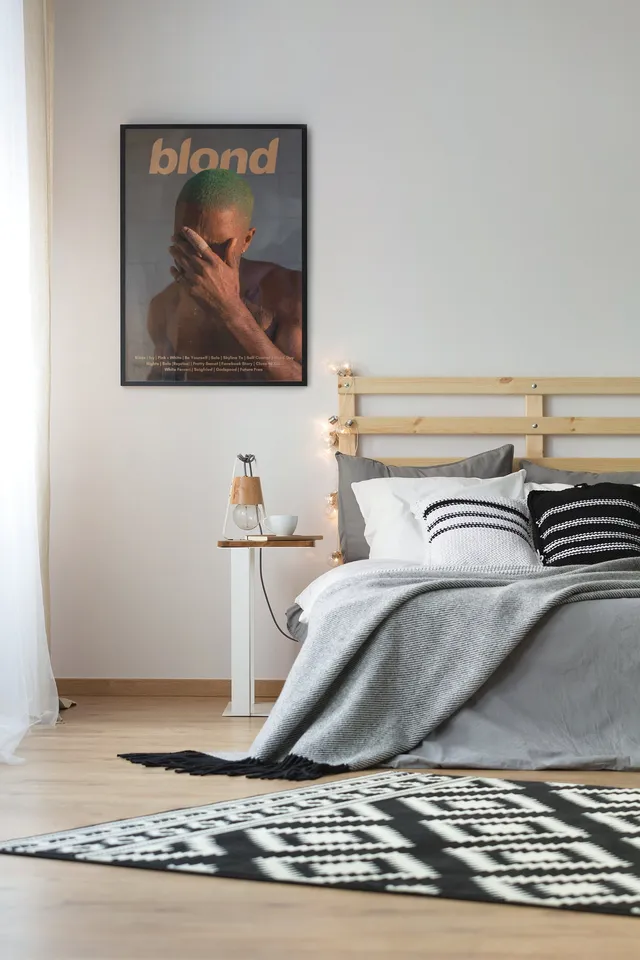
Neutral colors like beige, gray, and white provide a versatile backdrop that can be easily adapted to various styles and preferences. Patterns should also be chosen with care. Geometric designs, stripes, and abstract prints can offer visual interest without leaning towards traditional gendered aesthetics.
Flexible and Multifunctional Furniture
Furniture that serves multiple purposes is a hallmark of gender-neutral design. Think of beds with storage drawers, modular seating that can be rearranged, and desks that double as vanity tables. Such pieces offer flexibility, allowing the space to evolve with the occupant’s needs and tastes.
Personalized Spaces that Reflect Individuality
While the overall design should be neutral, incorporating personal touches is vital. Art, photographs, and unique decor items can make the space feel uniquely yours. These elements provide opportunities for self-expression, allowing the room to reflect the individuality of its occupant.
Design Tips and Examples
Layouts that Accommodate Various Preferences
The layout of a gender-neutral bedroom should be adaptable. Consider movable furniture and flexible layouts that can be easily reconfigured. This adaptability ensures the space can meet different needs, whether it’s a cozy reading nook one day or a spacious area for yoga the next.
Incorporating Technology and Nature Elements
Modern technology can enhance the functionality and comfort of a gender-neutral bedroom. Smart lighting systems that adjust color and intensity can set the mood for different activities. Additionally, elements like indoor plants can bring a touch of nature into the room, promoting tranquility and well-being.
DIY vs. Professional Design
Considerations for DIY Projects
Taking on a DIY project can be rewarding and cost-effective. However, it requires careful planning and a good understanding of design principles. Ensure you have a clear vision and the necessary skills and tools before starting. DIY projects allow for customization, making it easier to incorporate personal touches.
Benefits of Consulting a Professional Designer
While DIY projects offer flexibility, consulting a professional designer can provide valuable expertise and save time. Designers bring a wealth of knowledge and can offer innovative solutions you might not have considered. They can also ensure that the room is functional and aesthetically pleasing, aligning with your vision and needs.
Budgeting for Gender-Neutral Design
Strategies for Cost-Effective Design
Creating a gender-neutral bedroom doesn’t have to break the bank. Prioritize essential items and look for multifunctional furniture that offers the best value for money. Consider upcycling existing furniture or shopping at second-hand stores for unique finds that can add character to the room.
Prioritizing Expenses for Maximum Impact
When budgeting, focus on elements that will have the most significant impact. A quality mattress, versatile furniture, and good lighting are worth investing in. These items enhance comfort and functionality, making the room more enjoyable and practical.
Sustainability in Gender-Neutral Design
Eco-Friendly Materials and Practices
Sustainability is an essential consideration in modern design. Opt for eco-friendly materials like bamboo, reclaimed wood, and organic textiles. These materials are better for the environment and often more durable, making them a smart long-term investment.
Reducing Waste and Promoting Longevity
Choose timeless, high-quality pieces that will last for years. This approach reduces waste and promotes sustainability. Avoiding trends that quickly go out of style ensures your room remains versatile and relevant, even as your tastes evolve.
Cultural Sensitivity in Design
Understanding Cultural Influences on Gender Identity
Designing a gender-neutral bedroom also involves being mindful of cultural sensitivities. Different cultures have various concepts of gender and identity. Understanding these nuances can help create a space that respects and honors diverse backgrounds.
Designing Spaces that Respect Diverse Backgrounds
Incorporate elements that celebrate and respect cultural diversity. This could include artwork, textiles, or decor items from different cultures. Such features add richness to the design while making the space more inclusive and welcoming.
Future Trends in Gender-Neutral Design
Emerging Trends and Innovations
The field of gender-neutral design is continually evolving. Emerging trends include the use of smart home technology to create adaptable spaces, biophilic design elements that bring nature indoors, and sustainable materials that reduce environmental impact.
Predictions for How Gender-Neutral Design Will Evolve
Looking ahead, gender-neutral design will likely become more mainstream. As society continues to move towards greater inclusivity, the demand for flexible, adaptable spaces will grow. Innovations in technology and materials will further enhance the possibilities for creating personalized, gender-neutral environments.
Final Verdict
More than just aesthetics, creating a gender-neutral bedroom is about creating a welcome, inclusive environment that honors and represents the occupant’s individuality. You may create a space that is both practical and welcoming by learning the fundamentals of gender-neutral design and adding your own unique touches. Flexible, sustainable, and culturally sensitive solutions should be given first priority, regardless of whether you decide to do it yourself or hire an expert.