

Making a kid-friendly bedroom is about creating a place where your child feels inspired, protected, and at ease—it’s not just about colorful décor. Your child’s growth can be greatly impacted by a well-designed bedroom, which fosters creativity, independence, and sound sleep.
This tutorial will take parents, family bloggers, and lovers of interior design step-by-step through the process of designing a kid-friendly bedroom that will change with your child as they become older.
7 Steps To Create A Kid-Friendly Bedroom
Step 1: Plan the Layout and Functionality
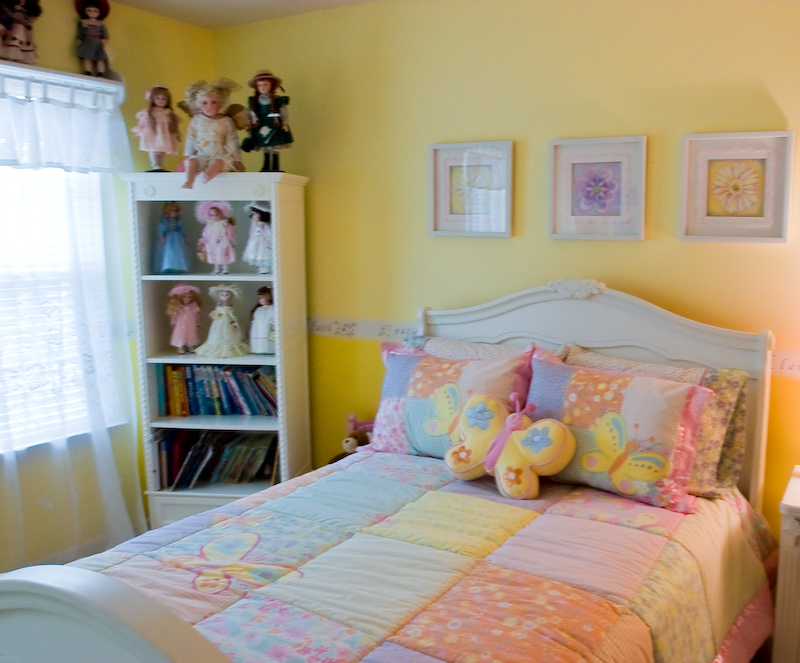
Organizing the design and functionality of the bedroom is the first step towards making it kid-friendly. When planning the space, take your child’s age, hobbies, and everyday routine into account. Aim for an open floor plan with separate, kid-friendly play zones that are both secure and convenient. You can add extra workstations and storage to your child’s bedroom as they get older.
Step 2: Incorporate Fun and Functional Decor
Decorating a kid’s bedroom allows for endless creativity! When choosing decor items, think about practicality as well as aesthetics. Wall decals or removable wallpaper are great options for adding color and pattern to the room without damaging walls. Consider incorporating storage solutions that are both fun and functional, such as colorful baskets or shelves shaped like animals.
Step 3: Prioritize Safety
Safety is a top priority when designing a kid-friendly bedroom. Keep furniture away from windows and make sure bookshelves and dressers are securely anchored to the wall. Choose low-maintenance materials, such as washable rugs and fabrics, to make cleaning up spills and messes easier. And don’t forget to cover electrical outlets with safety caps!
Step 4: Promote Creativity and Imagination
A child’s bedroom should be a place for imagination to run wild! Encourage creativity by providing art supplies, a designated reading area, or a dress-up corner. Incorporate playful elements, such as a tent or fort, to inspire imaginative play. Consider painting one wall with chalkboard paint for endless drawing opportunities.
Step 5: Invest in Versatile Furniture
Purchasing furniture that will grow with your child is a wise decision. For instance, if your child’s tastes and needs change, get a bed frame with height adjustments. When your child’s storage requirements vary over time, look for storage options that are simple to repurpose.
Step 6: Make Room for Personalization
Personalizing the space is important for creating a bedroom that reflects your child’s unique personality. Whether it’s through wall decals, posters, or their own artwork, give your child the freedom to add their personal touch to the room. This will make them feel more at home and proud of their space.
Step 7: Keep it Organized
With toys, books, and clothes taking up a lot of space in a kid’s bedroom, organization is key. Incorporate storage solutions that are easily accessible for your child to use on their own. Label bins and shelves with pictures or words to make it easier for your child to find and put away their belongings.
Design Principles for Kid-Friendly Bedrooms
Safety First
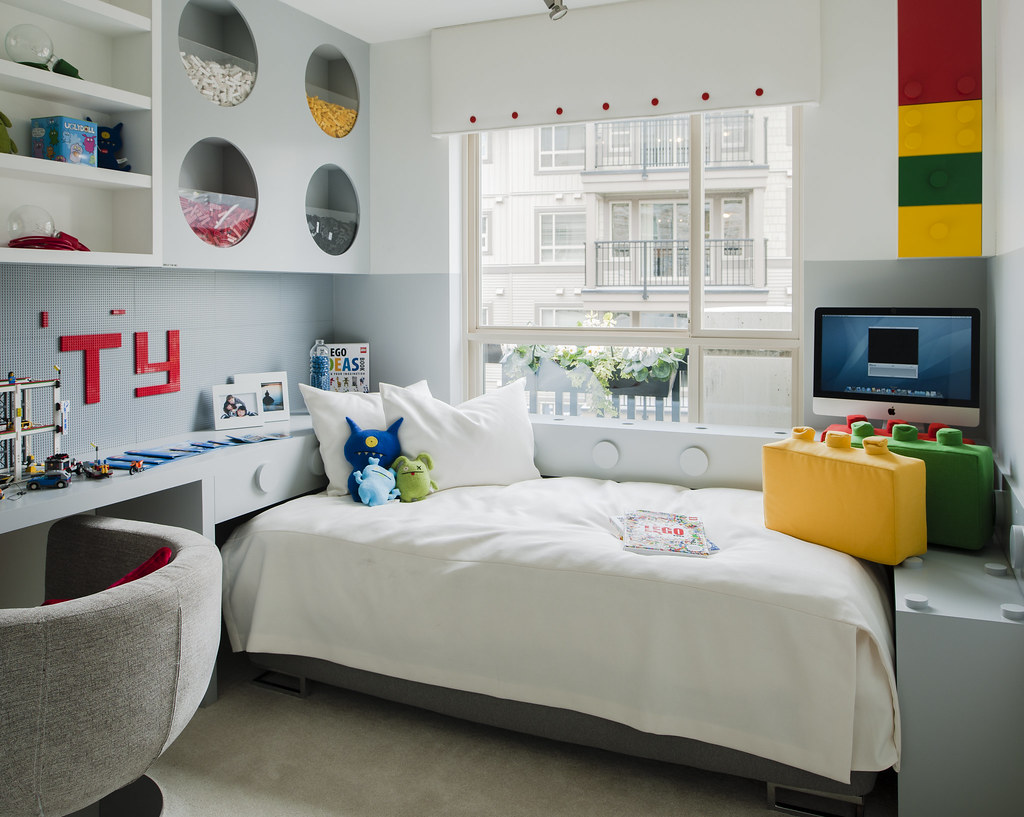
The first thing you should consider while decorating a kid’s bedroom is safety. Choose non-toxic paint, furniture, and flooring materials first. Seek certifications that guarantee products are free of dangerous chemicals, such as OEKO-TEX or GREENGUARD. To reduce the chance of accidents, consider rounded edges over sharp corners and fasten heavy furniture to the wall to prevent tip-overs. Cords should be securely tucked away and electrical outlets covered.
Space Utilization
Maximizing space in a small bedroom requires creative thinking. Utilize vertical space by installing shelves and using wall-mounted storage solutions. Bunk beds or loft beds can free up floor space for play or study areas. Multi-functional furniture, such as a bed with storage drawers or a desk that folds into the wall, can help you make the most of a compact room. Remember, keeping the floor area clear will give your child more room to move and play.
Age-Appropriate Themes
A theme that is age-appropriate can add fun and functionality to the space. For toddlers, use bright patterns and plush textures with whimsical themes like animals or fairy tales. Themes that appeal to school-age kids could include dinosaurs, space exploration, or their favorite fictional characters. Teens frequently want a more refined appearance with subdued hues and simple patterns. Remember that decorations like bedding, wall decals, and art make it simple to change themes.
Incorporating Play Areas
A kid-friendly bedroom should include space for play. Integrating a play area within the bedroom encourages creativity and gives kids a designated spot for their toys. A small tent or teepee can serve as a cozy reading nook, while a chalkboard wall allows for artistic expression without the mess. Ensure that play areas are clutter-free by using bins, baskets, and shelves to store toys and books when not in use.
Essential Furniture and Accessories
Must-Have Items for a Functional Bedroom
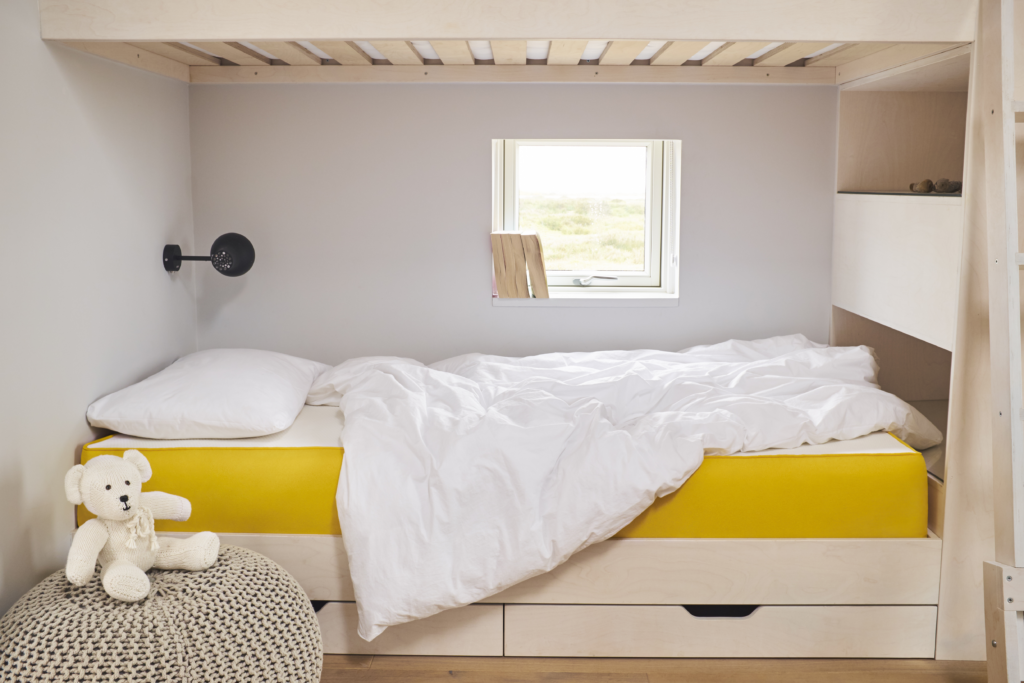
Start with the basics: a sturdy bed, a dresser, and a nightstand. These pieces should be durable and sized appropriately for your child’s age. For younger children, a low-to-the-ground bed with guardrails can prevent falls. A dresser with smooth-gliding drawers and easy-to-reach handles makes it simple for kids to access their clothes independently.
Creative Storage Solutions
It might be difficult to keep a child’s room organized, but clever storage options can be useful. Consider unconventional solutions such as cube storage cabinets, hanging organizers, and under-bed storage containers. Toys are easier to locate and store when stored in clear plastic boxes that let kids see what’s within. Younger children can benefit from practicing organizing skills by having storage containers labeled with words or drawings.
Comfort Elements
A comfortable bed is essential for a good night’s sleep. Choose bedding made from breathable, natural fabrics like cotton or bamboo. Add layers with blankets and throw pillows to create a cozy environment. Lighting is another crucial element; opt for a combination of overhead lighting, task lighting, and ambient lighting to suit different needs. A nightlight can provide comfort to children who are afraid of the dark.
DIY and Affordable Upgrades

Budget-Friendly Ideas
You don’t need to break the bank to create a stylish and functional kid’s room. Simple changes like a fresh coat of paint or new curtains can make a big difference. Consider using removable wall decals or wallpaper to add color and personality without the commitment. Thrift stores and online marketplaces can be treasure troves for affordable furniture and decor.
Simple DIY Projects
Get creative with DIY projects that you can do together with your child. Custom artwork, hand-painted furniture, and DIY wall shelves are all fun and inexpensive ways to personalize the room. Crafting together not only enhances the space but also provides a bonding experience and a sense of ownership for your child.
Practical Tips for Maintenance and Longevity
Keeping the Room Clean and Organized
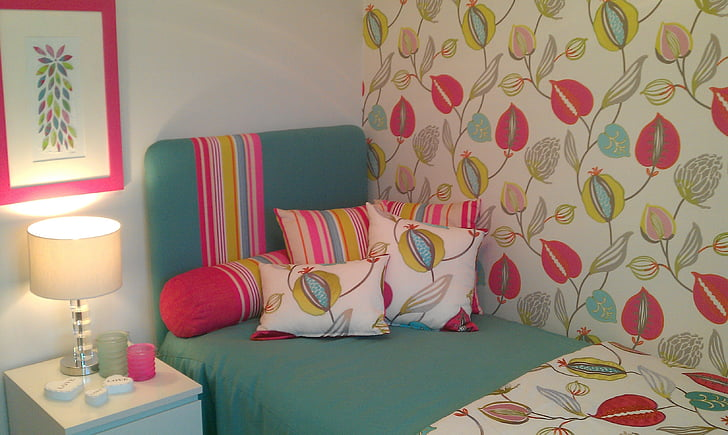
Maintaining a clean and organized room is easier said than done, but with a few strategies, you can keep clutter at bay. Establish a daily routine for tidying up, involving your child in the process to teach them responsibility. Use baskets and bins for quick cleanup and ensure that everything has a designated place. Rotate toys and books periodically to keep the room fresh and engaging.
Future-Proofing the Design
Planning for the future ensures that the room can grow with your child. Invest in timeless furniture pieces that can be used for years to come. Neutral wall colors and adaptable decor make it easy to update the room as your child’s preferences change. Modular furniture, which can be reconfigured or added to over time, offers flexibility and longevity.
Incorporating Technology Safely
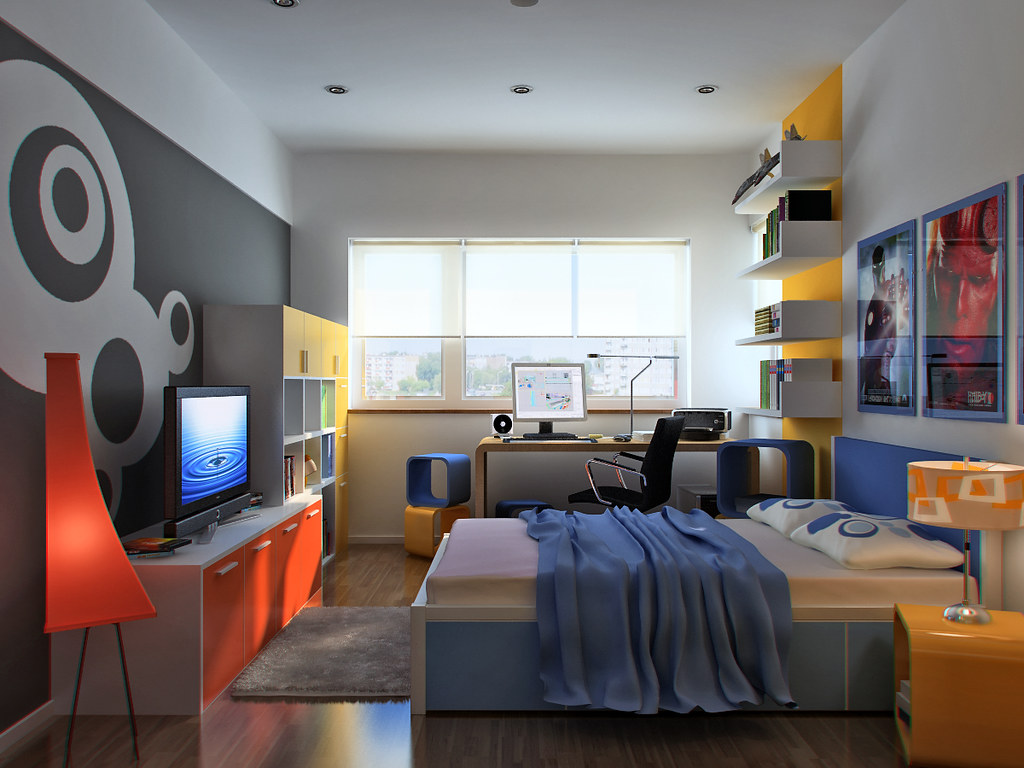
Age-Appropriate Tech Gadgets
Incorporating technology into a kid’s bedroom can be educational and entertaining when done thoughtfully. Devices like tablets, e-readers, and educational toys can enhance learning and play. Ensure that the gadgets you choose are suitable for your child’s age and developmental stage. Look for parental control features that allow you to monitor and limit usage.
Managing Screen Time
Balancing screen time is crucial for a healthy tech environment. Establish clear rules for when and how long screens can be used, and encourage other activities like reading, outdoor play, and family time. Designate tech-free zones in the home, including the bedroom, to promote better sleep and overall well-being. Tools like timers and apps can help manage screen time effectively.
Conclusion
Investing in a kid-friendly bedroom may be a fulfilling endeavor with long-term advantages for your child’s growth and welfare. You may create a setting that your child will love and thrive in by emphasizing safety, functionality, and personalization. We hope these suggestions will help you turn your child’s bedroom into a fun, cozy, and secure retreat.