
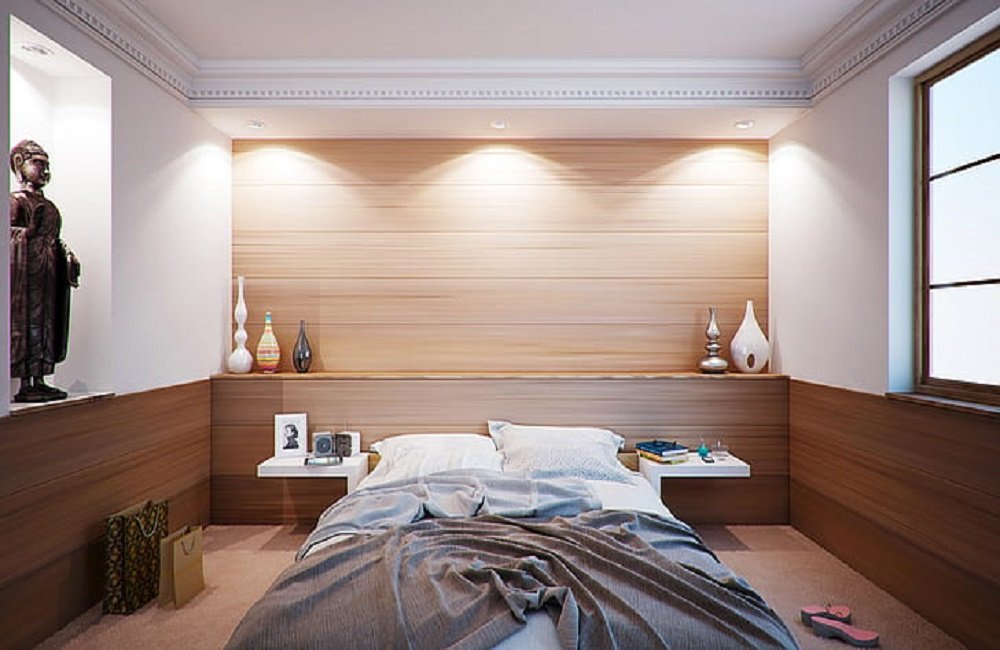
A vital component of good health, sleep impacts all facets of our life. We’re going to be discussing the basic but important subject of whether it’s better to sleep with the lights on or off. This question will interest people who are concerned about sleep quality, parents, and adults alike.
This blog article will walk you through the science of light and sleep, discuss the benefits and drawbacks of sleeping in both light and dark, and provide expert advice so you can choose your sleeping environment wisely.
The Science of Sleep and Light
Light is an essential factor in controlling our sleep-wake cycles. Our circadian rhythm, an internal clock that determines when we feel awake and when we feel drowsy, controls this regulation. Light exposure, particularly from natural light, helps keep this clock in sync with the 24-hour day.
Different types of light affect our sleep differently. Natural light—especially sunlight—helps regulate our circadian cycle during the day, which is advantageous. But blue light, frequently emitted from screens on devices like laptops, tablets, and phones, can fool our brain into believing it is daytime, delaying the release of melatonin, the hormone that induces drowsiness.
Artificial light, which includes the lights in our homes, also impacts our sleep. While less disruptive than blue light, excessive exposure to artificial light at night can still interfere with melatonin production and disrupt our sleep patterns. Understanding these nuances is essential for optimizing our sleep environment.
Sleeping with Lights On: Pros and Cons
The practice of sleeping with lights on has benefits and drawbacks. The feeling of security and comfort it offers is among its primary advantages. A night light can provide comfort to certain persons, especially those who are afraid of the dark or are young. It can also help people who wake up a lot at night by lowering their chance of falling or having accidents.
But there are disadvantages to sleeping with the lights on. The detrimental effect on melatonin synthesis is the main drawback. Melatonin levels can be suppressed by light exposure at night, which makes it more difficult to get to sleep and stay asleep. This interference can cause the circadian cycle to become misaligned, impairing general health and resulting in sleep difficulties.
Furthermore, sleeping in a lighted environment has been linked to potential health risks. Studies have indicated that prolonged exposure to light at night can increase the risk of developing conditions such as obesity, diabetes, and cardiovascular diseases. Therefore, considering these factors is crucial when deciding whether to keep the lights on while sleeping.
Sleeping in Darkness: Pros and Cons
There are several benefits to sleeping in total darkness that enhance the quality of your sleep. The fact that it encourages melatonin generation is among its most noteworthy advantages. Our bodies naturally create more melatonin when there is no light, which promotes deeper, more peaceful sleep. This improved sleep quality benefits our physical health and enhances our emotional and cognitive wellbeing.
Dark sleeping also maintains our circadian rhythms, which are innate to humans. Our internal clock stays in sync when our sleeping environment replicates the day-night cycle, which enables us to wake up feeling rejuvenated and energized. Sleep patterns that are more regular and rejuvenating may result from this alignment.
Even with these advantages, some people can have trouble falling asleep in total darkness. Fear of the dark is a widespread problem that can lead to anxiety and interfere with sleep. Safety issues, like finding your way around in a completely dark area or handling emergencies, might also be a disadvantage. But these problems are frequently reducible with the thoughtful application of low lighting or noise-reducing nightlights.
Best Practices for Better Sleep
To optimize sleep quality, managing light exposure is essential. Here are some best practices for creating a sleep-friendly environment:
Use Dimmers and Smart Lighting
Install dimmers or smart lighting systems that can gradually reduce light intensity as bedtime approaches. This helps signal to your body that it’s time to wind down.
Opt for Sleep-Friendly Technology
Instead of utilizing bright white night lights, think about using red or amber ones. Melatonin synthesis is less likely to be disrupted by these hues.
Limit Screen Time Before Bed
Reduce exposure to screens at least an hour before bedtime. Use apps or device settings to filter out blue light if you need to use your devices.
By incorporating these tips into your nightly routine, you can create an environment that promotes better sleep and overall health.
Emerging Trends and Technologies
New technologies are constantly being developed in the realm of sleep aids to help enhance the quality of sleep. Users of smart lighting systems, like Philips Hue, can alter light levels to suit their individual needs for sleeping. By mimicking natural light patterns, these systems can facilitate a more seamless transition from wakefulness to sleep.
Aside from offering suggestions for improving sleep settings, sleep tracking applications like Sleep Cycle and Pillow also reveal information about sleep patterns. With the aid of these apps, users can recognize any light-related interruptions and make the required modifications.
These advancements demonstrate how technology can play a vital role in enhancing sleep quality and overall health.
Cultural Perspectives on Sleep and Light
Different cultures have varying approaches to sleep and light conditions. In Japan, the practice of “inemuri” allows for short naps during the day, often in well-lit environments. This practice recognizes the need for rest even in busy settings.
In contrast, traditional practices in many cultures emphasize complete darkness during sleep. For example, in Scandinavian countries, where daylight is limited in winter, blackout curtains are commonly used to create a dark sleep environment.
Modern approaches to managing sleep environments are influenced by these cultural practices. Integrating the best of both traditional and contemporary methods can help individuals achieve optimal sleep quality.
Impact of Artificial Light on Sleep Patterns
The use of artificial light, particularly blue light emitted by electronic devices, has been linked to disrupted sleep patterns. Exposure to blue light suppresses the production of melatonin, a hormone that helps regulate the sleep-wake cycle.
This impact is especially significant for individuals who use technology before bedtime or have poor sleep habits. To mitigate the effects of artificial light on sleep, technologies like “night mode” settings and blue-light blocking glasses have been developed.
However, it is essential to consider individual needs and preferences when incorporating these technologies into bedtime routines.
Future Possibilities in Sleep Technology
As technology continues to advance, there are many possibilities for its application in improving sleep. Some current developments include:
- Smart mattresses and pillows that adjust firmness and shape to the individual’s body for optimal support.
- Sleep tracking devices that monitor sleep quality, duration, and patterns to provide personalized recommendations for better sleep.
- Wake-up light alarm clocks that simulate natural sunlight to wake individuals up gently and gradually.
- Noise-canceling devices that can create a peaceful sleep environment by masking outside noises.
These technologies have the potential to revolutionize how individuals manage their sleep environments and improve overall sleep health. With further research and development, there may also be new innovations in areas such as dream analysis, personalized lighting systems, and more.
Final Verdict
In summary, there are several factors to consider while deciding whether or not to sleep with lights on. The overwhelming body of research indicates that sleeping in the dark has substantial advantages for both overall health and sleep quality, even if some people may feel more secure and comfortable doing so.
You may build a sleep environment that encourages deep and rejuvenating sleep by learning about the science of sleep and light, assessing the benefits and drawbacks, and putting best practices into practice.