
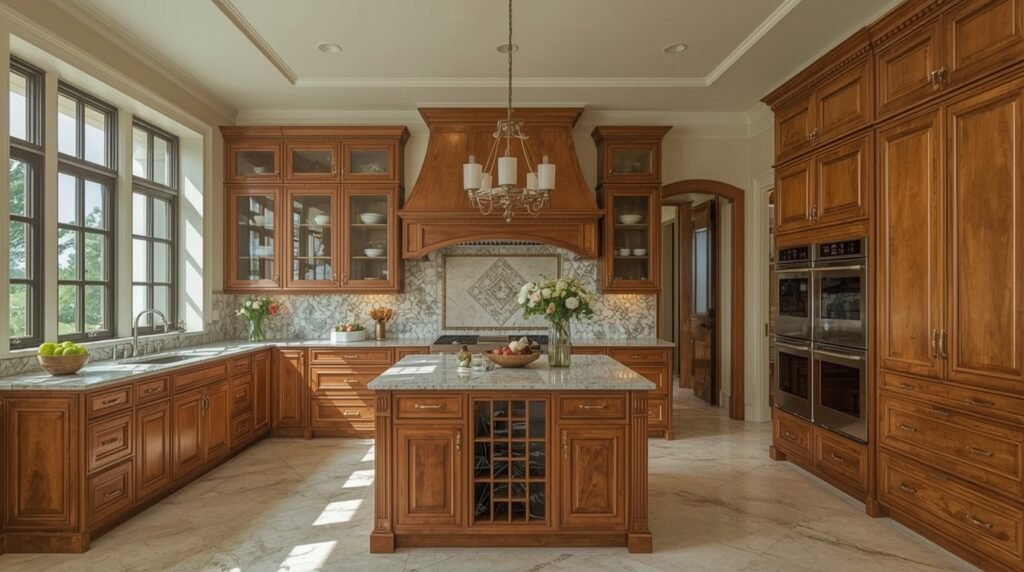
Dreaming of a space that feels warm, inviting, and effortlessly stylish? Italian kitchen design ideas blend rustic charm with refined elegance to create a kitchen that’s both beautiful and functional. Inspired by the timeless craftsmanship of Italy, this style often features natural materials, rich wood tones, stone accents, and warm color palettes that make the heart of the home feel welcoming.
Whether you love a classic Tuscan look or a more modern Mediterranean vibe, there are endless ways to bring Italian character into your space. In this guide, you’ll discover Italian kitchen design ideas, layout tips, cabinetry inspiration, and décor details to help you create a kitchen that feels authentic, cozy, and full of personality.
1. Rustic Tuscan Kitchen Style with Warm Earthy Hues and Exposed Timber Beams
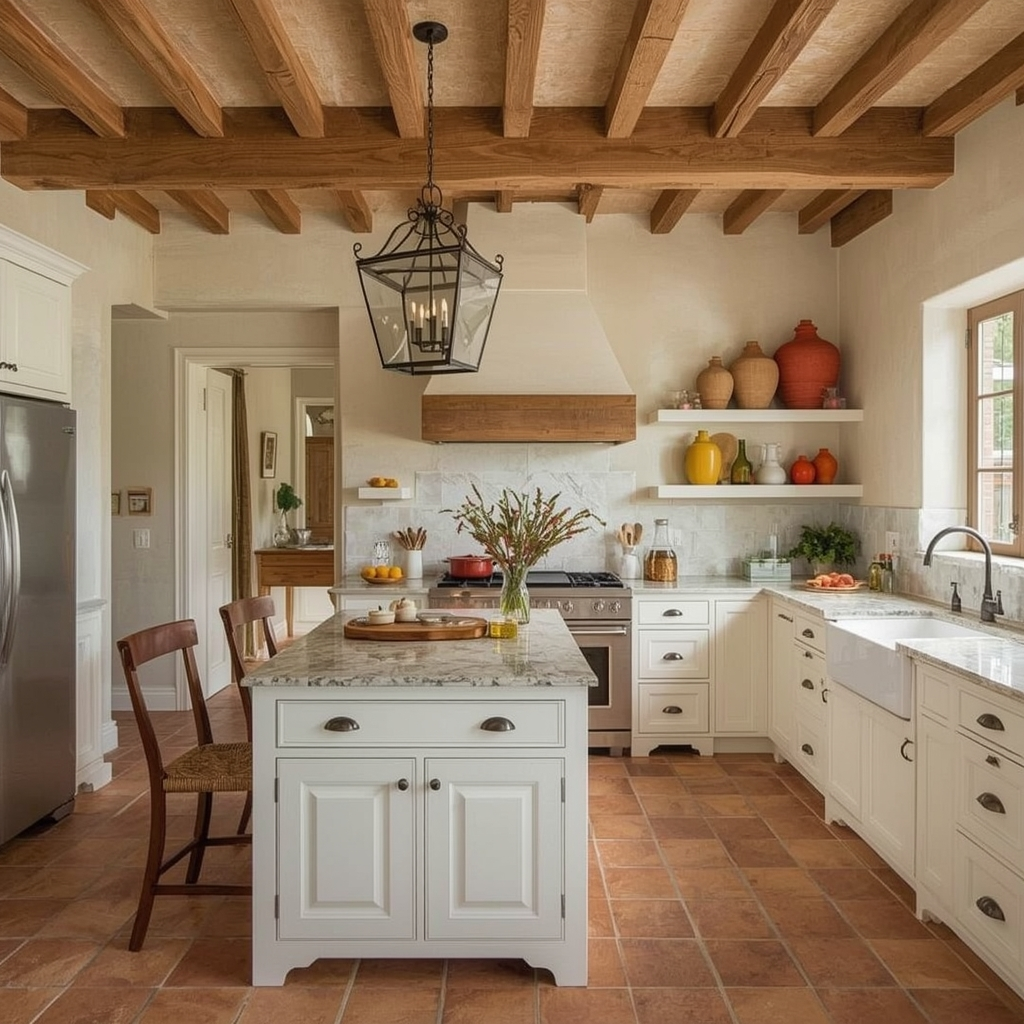
A Tuscan-inspired kitchen captures the relaxed spirit of the Italian countryside, especially the rolling landscapes of Tuscany. This design approach centers on authenticity, comfort, and materials that age beautifully over time. The foundation of the space often begins with terracotta flooring, prized for its durability and sun-warmed tones that range from soft clay to deep burnt orange. These tiles not only withstand daily wear but also develop character as the years pass.
Exposed wooden ceiling beams, typically crafted from oak or chestnut, anchor the room with architectural presence. Their natural grain and slightly weathered appearance introduce a sense of history and craftsmanship. Paired with plastered walls in creamy neutrals, the beams create a welcoming atmosphere reminiscent of a countryside villa.
Countertops in natural stone such as travertine or limestone provide subtle texture and variation. Each slab tells its own story through unique veining and mineral patterns. Cabinetry usually features raised panel doors in soft cream or antique white, offering generous storage without compromising the rustic charm. Decorative wrought iron handles and hinges add understated detail while reinforcing the traditional aesthetic.
Color accents in warm yellow, muted red, and earthy orange echo the Tuscan landscape. Open shelving can display ceramic pottery, olive oil bottles, or neatly bundled dried herbs, reinforcing the connection to home cooking and regional ingredients. Altogether, this kitchen style emphasizes warmth, practicality, and timeless appeal.
2. Modern Italian Kitchen Design with Seamless Appliances and Clean Lines
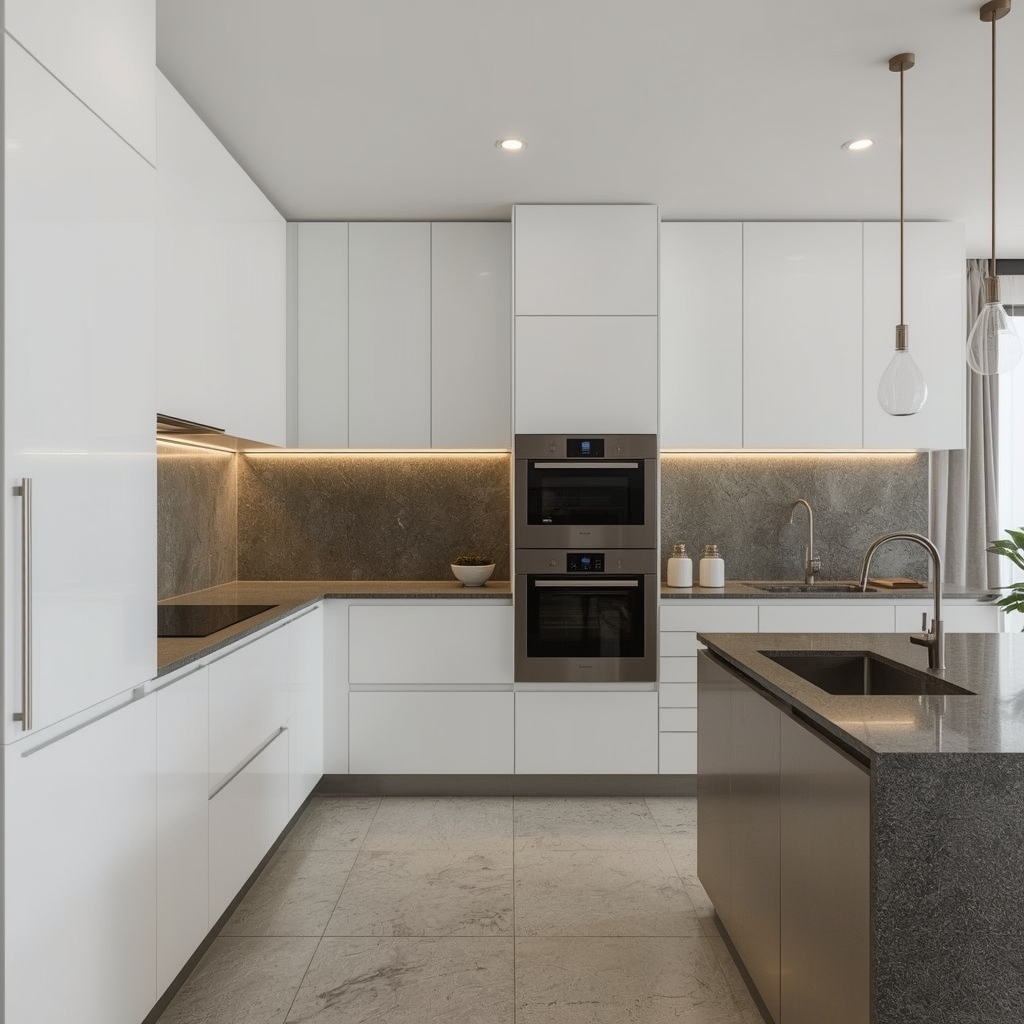
Contemporary Italian kitchens embrace streamlined design and efficient functionality. Rooted in urban innovation, this style favors simplicity and uncluttered surfaces. Flat-panel cabinetry in glossy white, matte gray, or soft black creates a cohesive visual flow. Handle-free systems, such as push-to-open mechanisms, maintain a smooth and uninterrupted appearance.
Appliances are often integrated behind custom cabinet panels, allowing refrigerators, dishwashers, and ovens to blend seamlessly into the design. Stainless steel remains a popular finish for visible appliances, offering durability and a professional touch. Quartz countertops with waterfall edges add visual sophistication while resisting stains and scratches, making them ideal for daily cooking tasks.
Lighting plays an essential role in enhancing the clean aesthetic. LED strip lights under cabinets illuminate work areas and provide a gentle glow during evening hours. Floor-to-ceiling cabinetry maximizes vertical storage, especially in compact homes where efficiency matters.
Neutral color palettes dominate, focusing on white, gray, and charcoal tones. Metallic accents in brushed nickel or chrome introduce subtle contrast without overwhelming the space. Large-format porcelain floor tiles in concrete or stone finishes reinforce the minimalist mood, while reflective glass backsplashes amplify natural light and make the kitchen feel more spacious. The result is a practical yet elegant environment tailored to modern living.
3. Luxurious Italian Kitchens Featuring Carrara Marble and Refined Metallic Accents
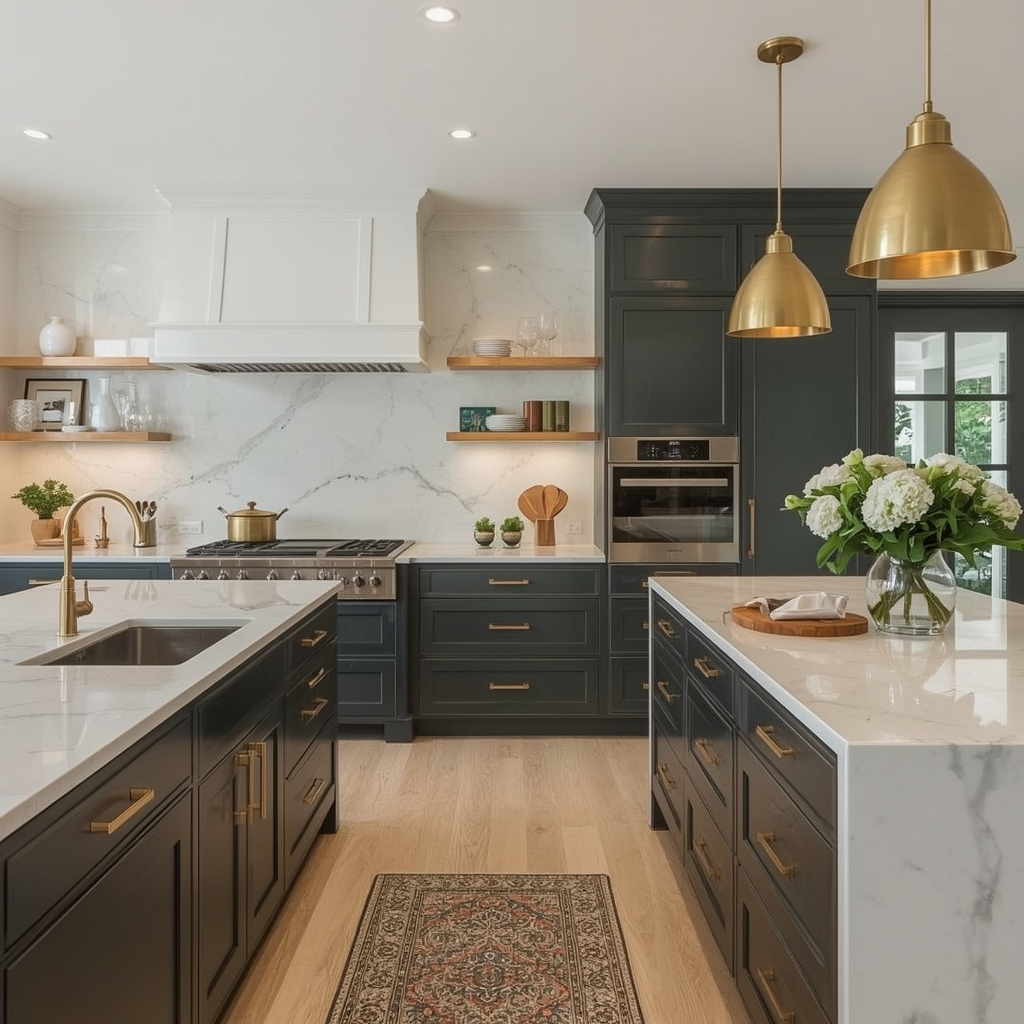
Few materials communicate Italian sophistication as effectively as Carrara marble. Known for its luminous white surface and gentle gray veining, this stone has been prized for centuries. In the kitchen, it transforms everyday workspaces into elegant culinary settings.
Full-height marble backsplashes create dramatic focal points behind cooking areas, while coordinating countertops deliver both beauty and durability. The natural veining ensures that each installation is unique, adding depth and personality to the room.
Cabinetry in deep navy, forest green, or charcoal provides a rich contrast against the cool tones of marble. Warm metallic hardware in brass or brushed gold softens the overall look and introduces a refined glow. Under-cabinet lighting highlights the stone’s intricate patterns and enhances task visibility.
Statement pendant lights with metallic finishes tie the design together, complementing hardware details throughout the space. Light-toned wood flooring, such as white oak, balances the marble’s bold presence and keeps the atmosphere inviting. Integrated wine storage or display shelving adds a practical yet stylish element, celebrating Italy’s culinary traditions while maintaining a polished aesthetic.
4. Industrial-Inspired Italian Loft Kitchens with Urban Edge
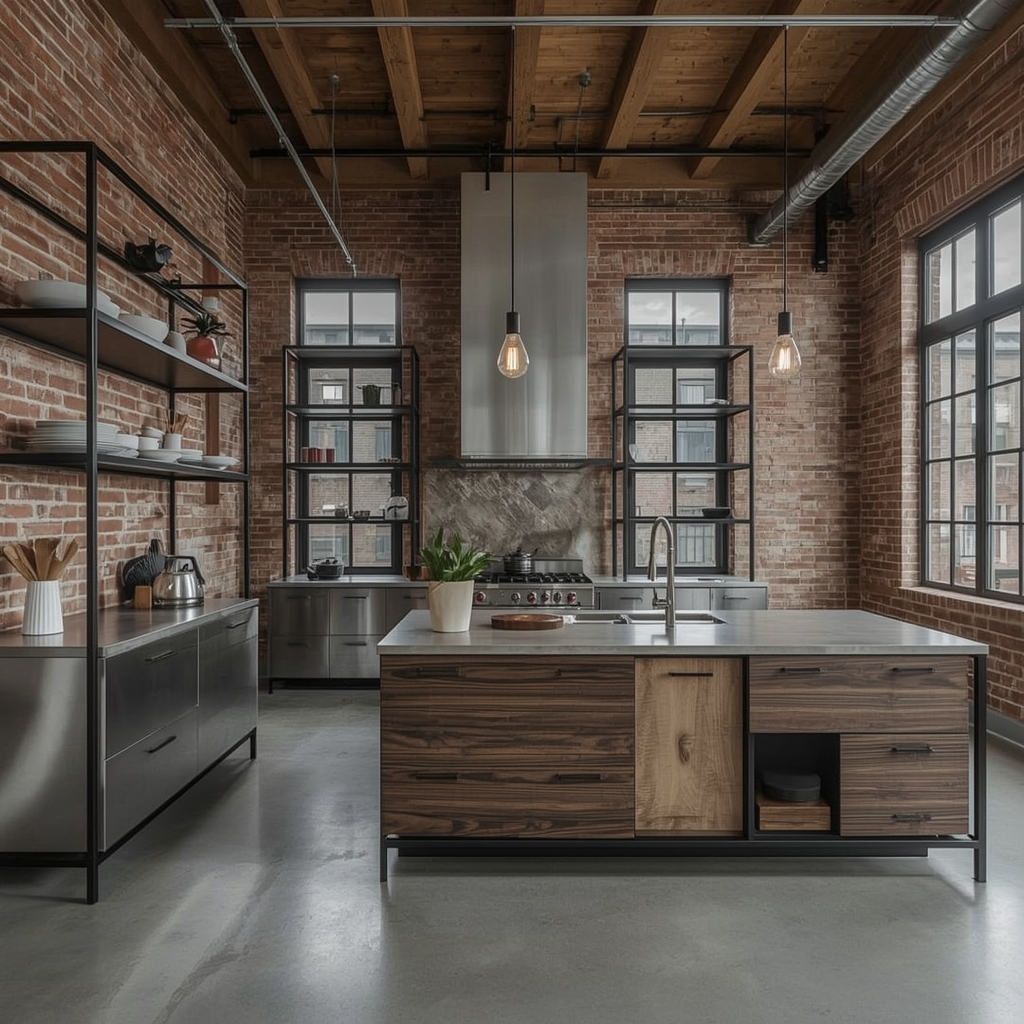
Industrial Italian kitchens draw inspiration from converted city lofts and warehouse spaces. This design blends raw architectural elements with contemporary finishes, creating a distinctive urban atmosphere often associated with cities like Milan.
Exposed brick walls highlight structural authenticity and add texture to the backdrop. Concrete or stainless steel countertops reinforce the industrial theme while offering resilient surfaces for meal preparation. Steel-framed shelving units display cookware and dishware, turning everyday essentials into visual features.
Cabinetry may incorporate black metal frames paired with wood or glass inserts, striking a balance between practicality and style. Edison-style pendant bulbs suspended from track lighting systems introduce warmth and a hint of vintage charm. Polished concrete flooring further enhances the industrial character, reflecting natural light from large steel-framed windows.
To prevent the space from feeling too stark, designers often integrate dark wood accents on kitchen islands or open shelves. The combination of brick, steel, and timber creates a layered environment that feels modern yet inviting.
5. Mediterranean-Inspired Italian Kitchens with Coastal Blue Highlights
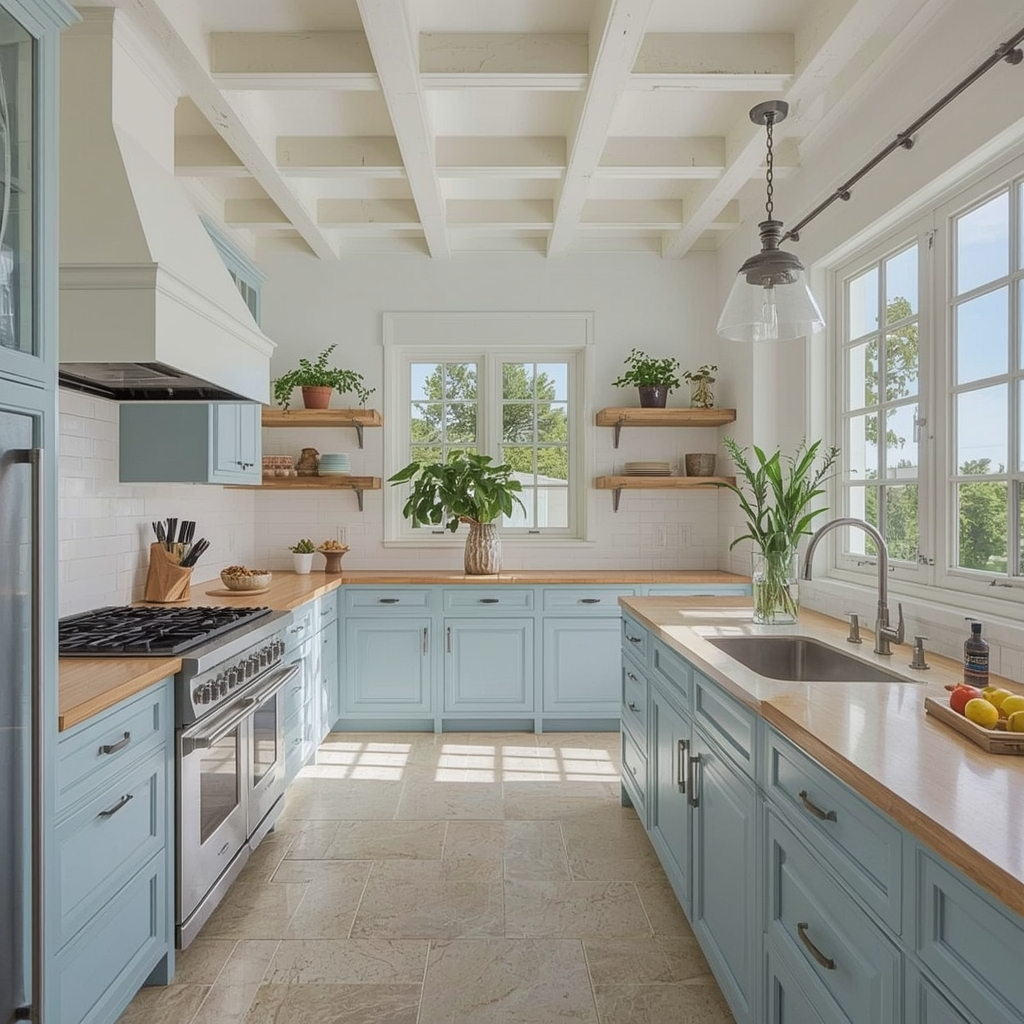
Mediterranean kitchens capture the relaxed ambiance of seaside living, particularly along Italy’s southern coasts. Inspired by the sun-drenched waters near Mediterranean Sea, these spaces incorporate fresh blues and crisp whites.
Soft blue cabinetry evokes coastal horizons, while white subway tile backsplashes keep the room light and airy. Natural stone flooring in cream or beige establishes a neutral foundation, allowing accent colors to shine. Wooden countertops in warm finishes add depth and prevent the palette from feeling overly cool.
Wrought iron fixtures and cabinet hardware reference regional craftsmanship. Whitewashed ceiling beams enhance architectural interest while maintaining brightness. Open shelving can showcase colorful ceramics and glassware that reflect local artistry.
Terra cotta pots filled with herbs such as basil and rosemary introduce greenery and fragrance. Large windows framed in natural wood maximize sunlight, reinforcing the breezy, welcoming character of Mediterranean design.
6. Contemporary Italian Kitchens Blending Innovation and Tradition
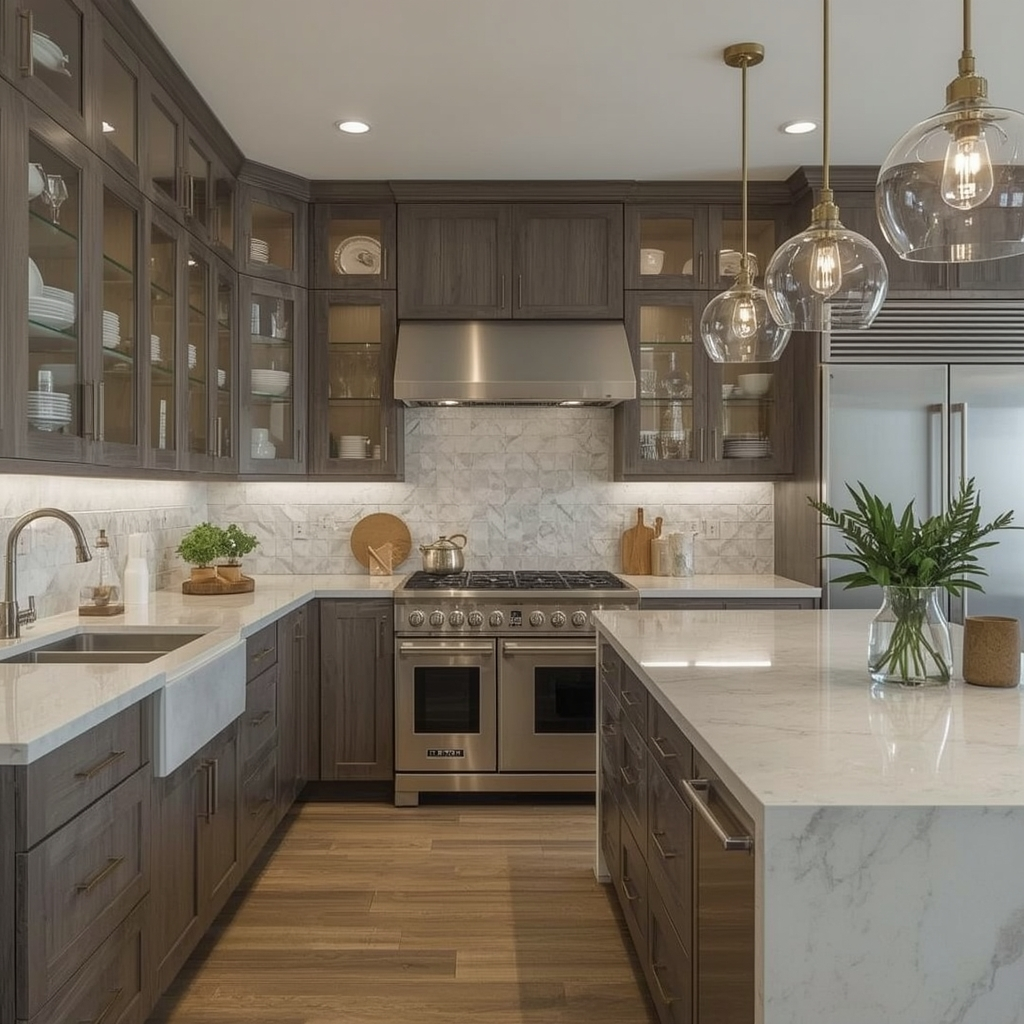
Modern Italian interiors often balance technological innovation with timeless style. Glass-front cabinets display fine dishware while preserving an open feel. High-performance stainless steel appliances cater to home cooks who value reliability and efficiency.
Engineered quartz countertops in solid or lightly patterned finishes offer durability with minimal maintenance. Geometric tile backsplashes in subtle tones provide visual interest without overwhelming the room. Pendant lights featuring glass or acrylic shades double as sculptural elements and task lighting sources.
Wide-plank wood flooring grounds the design with natural warmth. Smart home features—such as integrated lighting controls and discreet appliance panels—enhance convenience while maintaining clean lines. This fusion of heritage and modernity ensures that the kitchen remains both functional and visually refined.
7. Classic Italian Farmhouse Kitchens with Vintage Appeal
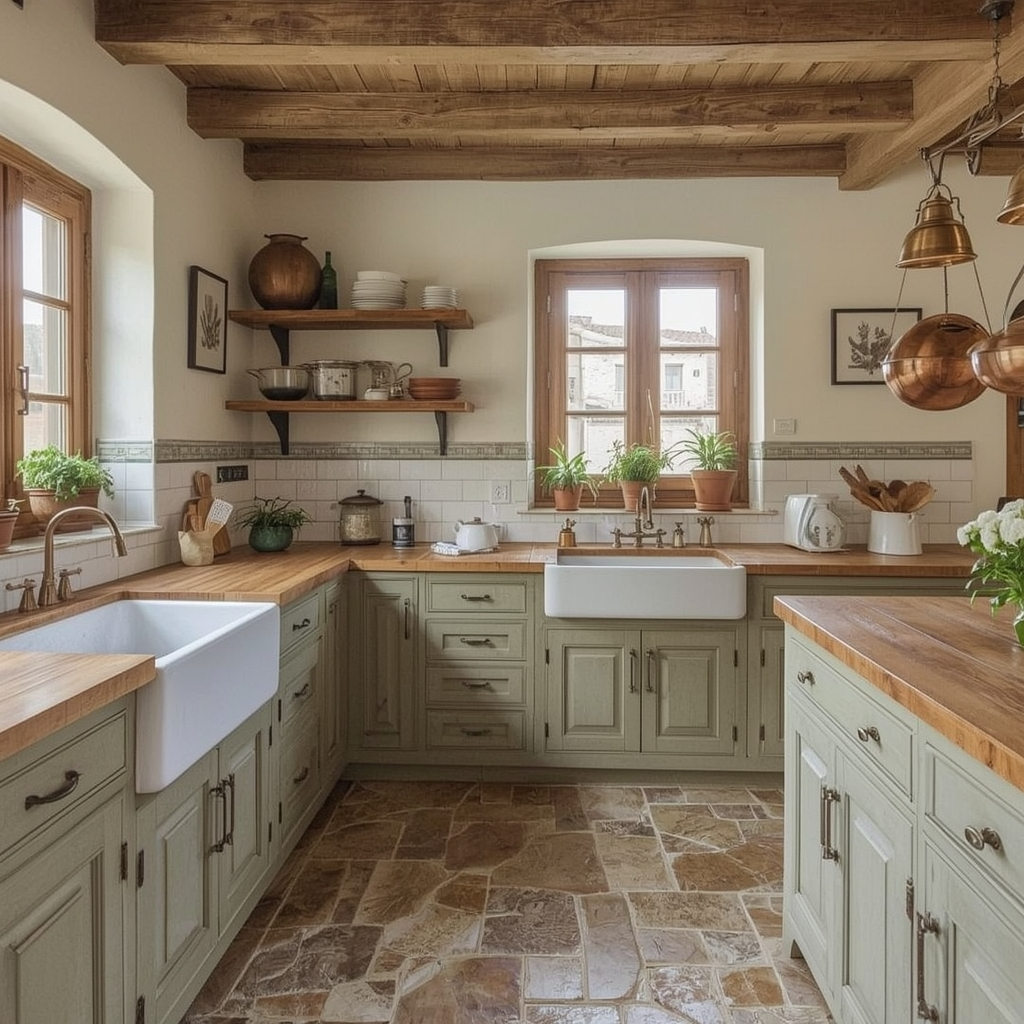
Traditional farmhouse kitchens reflect Italy’s rural heritage, particularly in regions surrounding Florence. Distressed wooden cabinets painted in sage or cream highlight the beauty of natural aging. Apron-front farmhouse sinks provide generous washing space and nostalgic charm.
Butcher block countertops develop a rich patina over time, making them ideal for bread-making and food preparation. Hand-painted ceramic tiles featuring regional motifs add personality to backsplashes. Copper pots suspended from wrought iron racks serve both decorative and practical purposes.
Natural stone floors with irregular patterns reinforce the handcrafted aesthetic. Window boxes brimming with herbs and small lantern-style light fixtures complete the inviting farmhouse atmosphere.
8. Italian Kitchens Showcasing Natural Stone and Rustic Textures
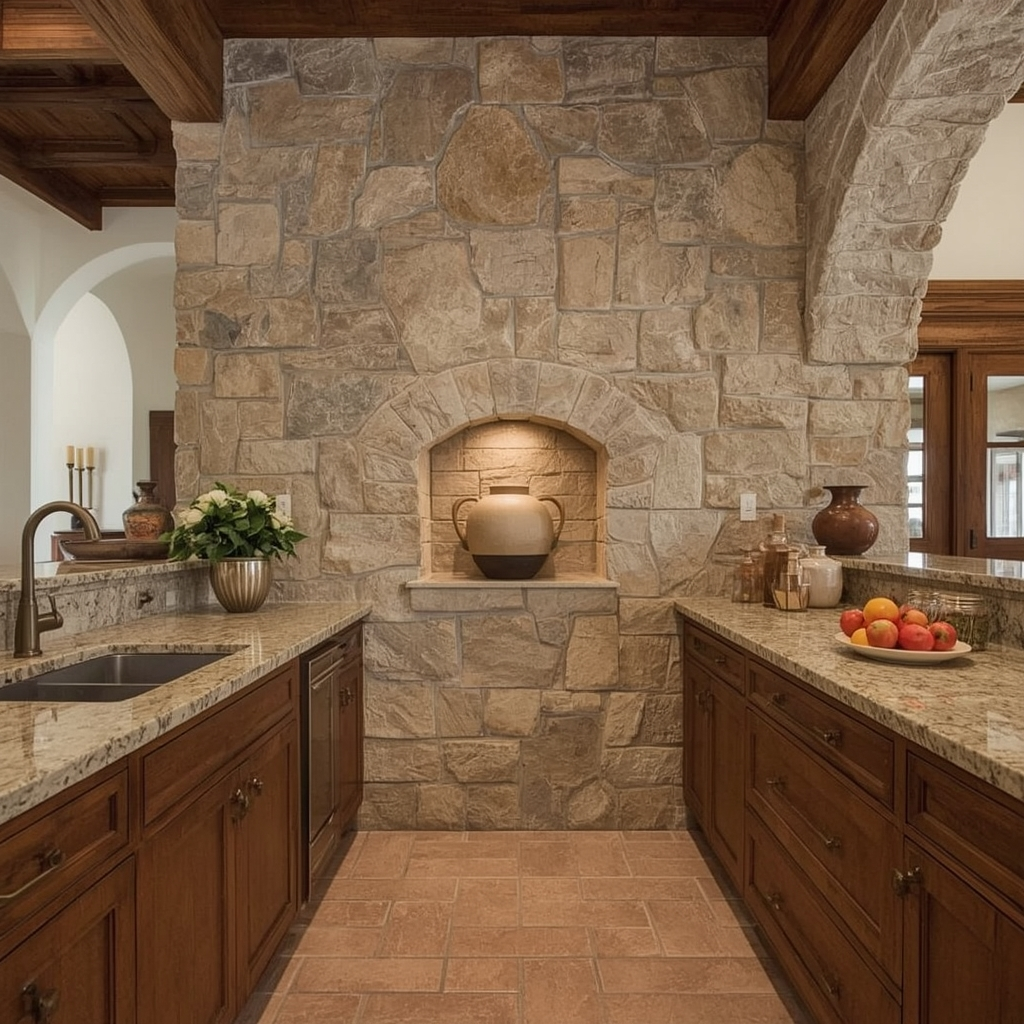
Stone accent walls made from limestone or travertine introduce dramatic texture. These materials echo centuries-old building traditions and connect the kitchen to Italy’s architectural heritage. Raised-panel wood cabinetry with antique brass hardware complements the earthy tones of the stone.
Granite countertops in honed finishes provide durability while maintaining a natural look. Clay tile floors arranged in traditional patterns enhance warmth. Arched doorways or carved wall niches add architectural character and display opportunities for pottery and glassware.
Decorative elements like terra cotta herb pots and vintage olive oil bottles reinforce the rustic narrative, creating a cohesive design rooted in authenticity.
9. Venetian Baroque-Influenced Kitchens with Ornate Details
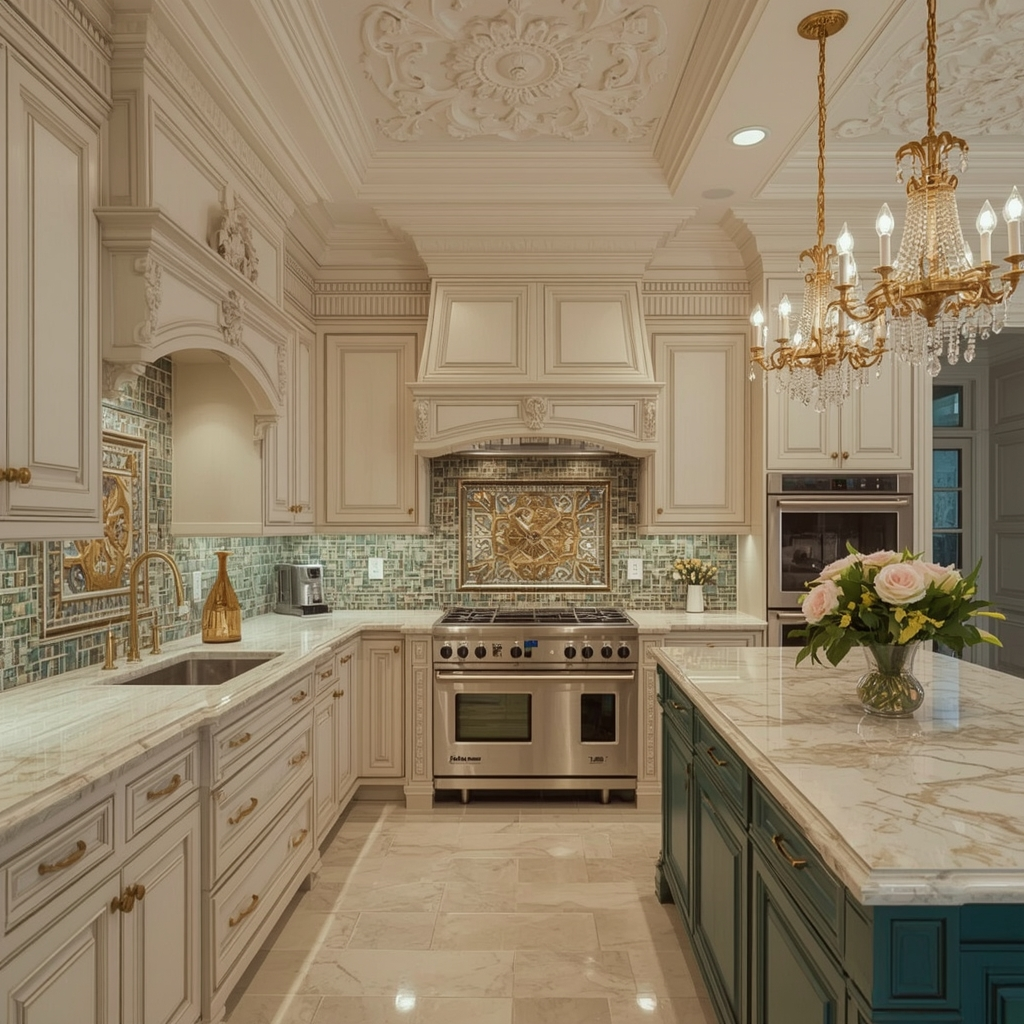
Inspired by the grandeur of Venice, Baroque-style kitchens emphasize decorative craftsmanship. Custom cabinetry may feature carved embellishments, raised panels, and subtle gilded accents. Marble countertops with bold veining create striking focal points.
Mosaic tile backsplashes incorporating metallic elements reflect light and add depth. Crystal chandeliers enhance illumination while maintaining elegance. Jewel tones such as emerald and sapphire introduce richness against a neutral backdrop.
Decorative plaster moldings and ceiling medallions amplify architectural drama. Appliances concealed behind paneled cabinetry preserve historical authenticity while ensuring modern convenience.
10. Sophisticated Milanese Kitchens with Urban Flair
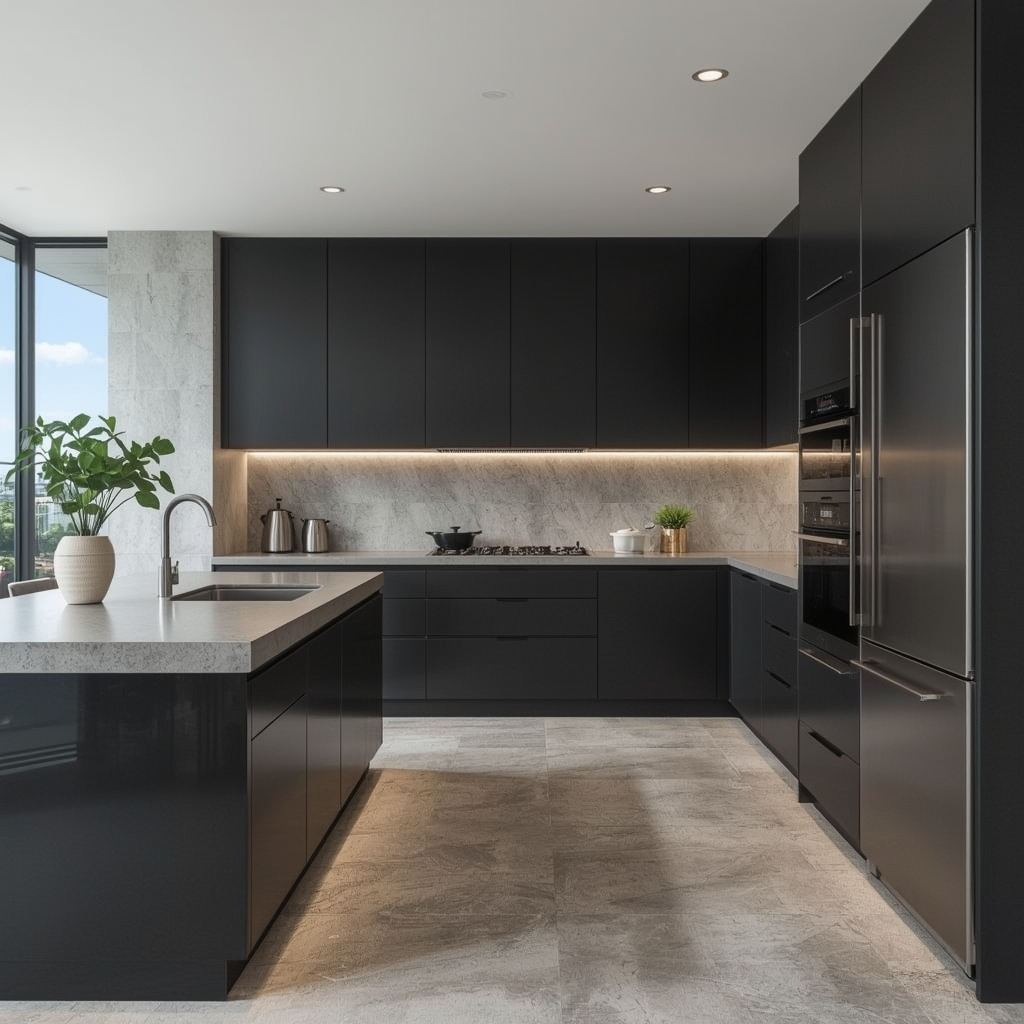
Drawing inspiration from the design-forward culture of Milan, Milanese kitchens prioritize sleek finishes and refined materials. High-gloss lacquered cabinetry in charcoal or navy creates a polished backdrop. Stainless steel countertops provide professional-grade durability.
Integrated appliances maintain smooth lines, while geometric tile patterns subtly enrich the visual landscape. Large-format floor tiles in stone or concrete finishes reinforce the contemporary vibe. Expansive windows flood the space with light and frame city views, enhancing the sense of openness.
Smart storage solutions ensure efficiency without sacrificing elegance, reflecting Milan’s reputation for modern sophistication.
11. Italian Country Kitchens Celebrating Handcrafted Simplicity
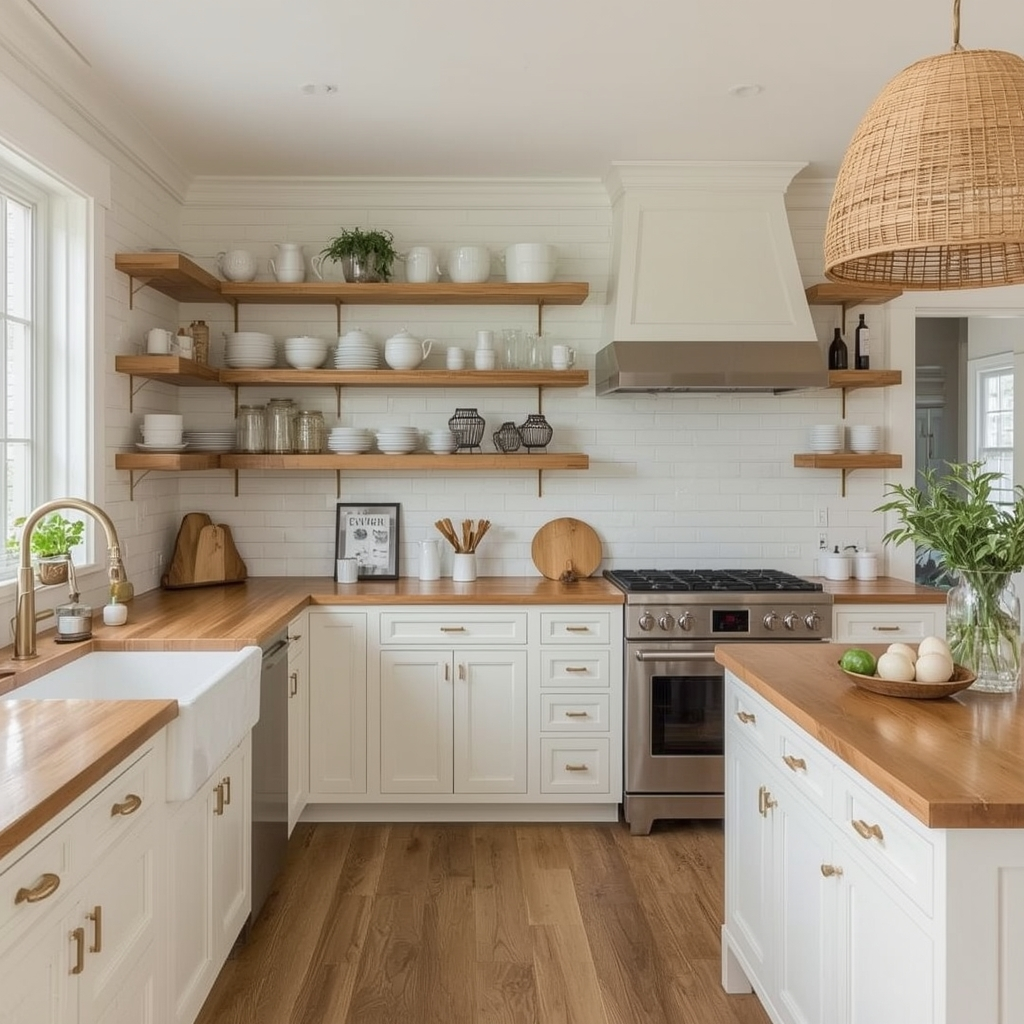
Country-style kitchens highlight natural materials and open shelving. Floating wood shelves display ceramics and glassware, transforming storage into decorative expression. Cream beadboard cabinetry enhances cottage charm while providing concealed storage.
Butcher block counters, subway tile backsplashes, and wide-plank wood floors reinforce warmth and practicality. Woven pendant lights and fresh herb planters connect the interior to nature. The overall effect is welcoming and unpretentious, rooted in traditional craftsmanship.
12. Vibrant Sicilian Kitchens with Hand-Painted Tile Accents
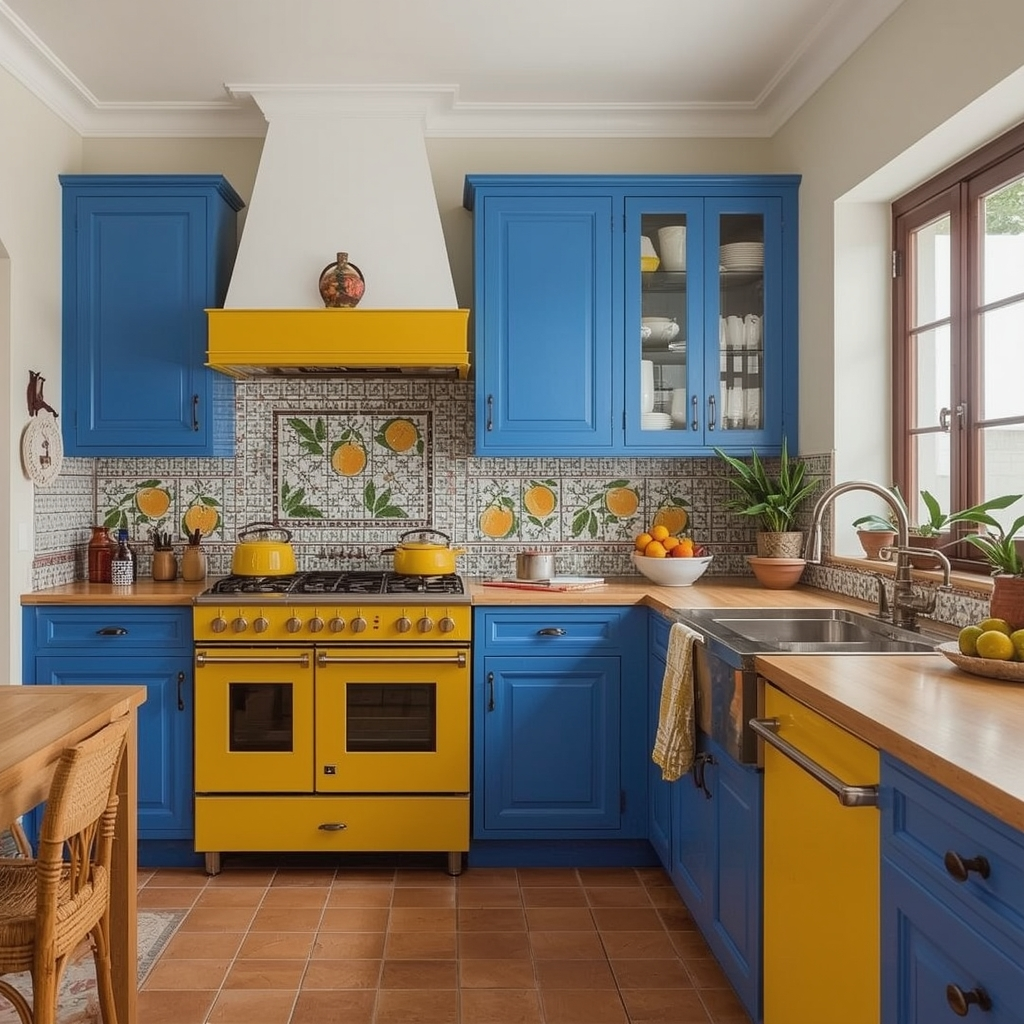
Colorful kitchens inspired by Sicily celebrate bold design. Bright blue cabinets paired with sunny yellow accents reflect the island’s coastal scenery. Hand-painted ceramic tiles depicting citrus fruits or geometric motifs create lively backsplashes.
Terra cotta flooring grounds the palette, while natural wood countertops add balance. Wrought iron fixtures maintain Mediterranean authenticity. Decorative pottery and potted citrus plants enhance the joyful atmosphere, bringing a sense of warmth and personality to the space.
13. Italian Kitchens Designed for Entertaining with Grand Islands
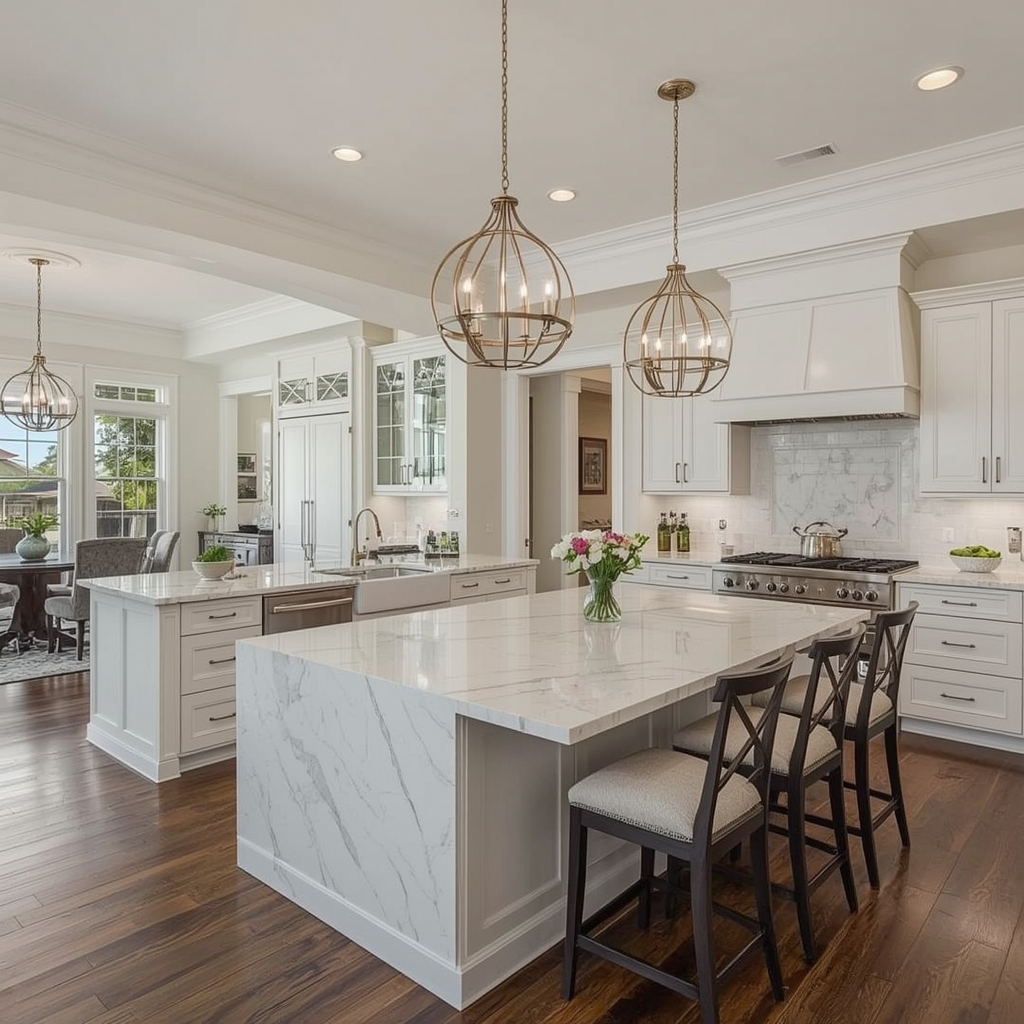
Large central islands anchor social kitchens. Marble or quartz surfaces offer ample prep space while accommodating bar seating for guests. Built-in wine storage keeps bottles accessible during gatherings.
Professional-grade appliances support ambitious cooking projects. Pendant light clusters define the island area and create evening ambiance. Open floor plans connect kitchens to living spaces, encouraging conversation and shared meals in the spirit of Italian hospitality.
14. Vintage Italian Kitchens with Copper and Antique Details
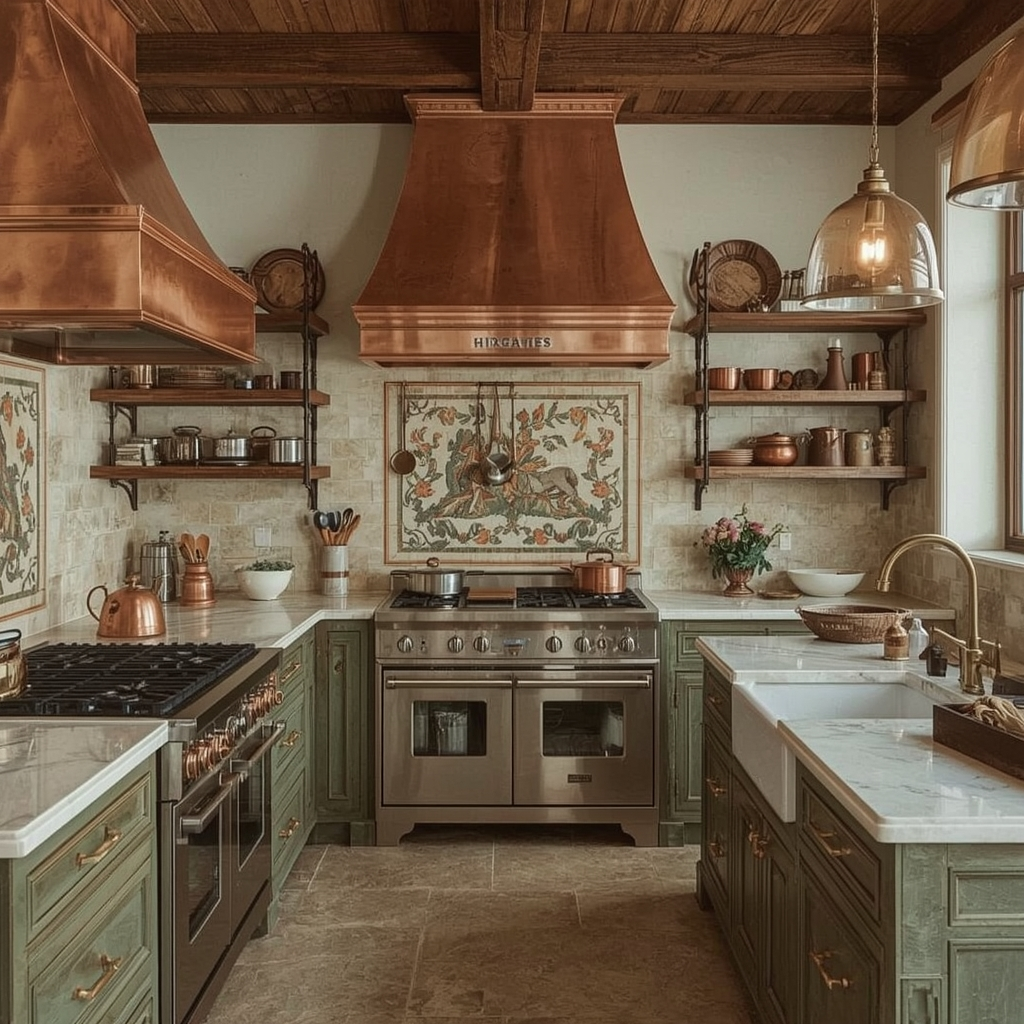
Vintage-inspired kitchens showcase copper range hoods, distressed cabinetry, and marble countertops with aged finishes. Hand-painted tiles introduce cultural motifs, while wrought iron racks display copper cookware.
Natural stone floors echo historic construction methods. Antique scales, serving trays, and brass light fixtures reinforce nostalgia. This style blends functionality with decorative storytelling, celebrating Italy’s culinary heritage.
15. Italian Kitchens Featuring Integrated Wine Storage and Tasting Areas
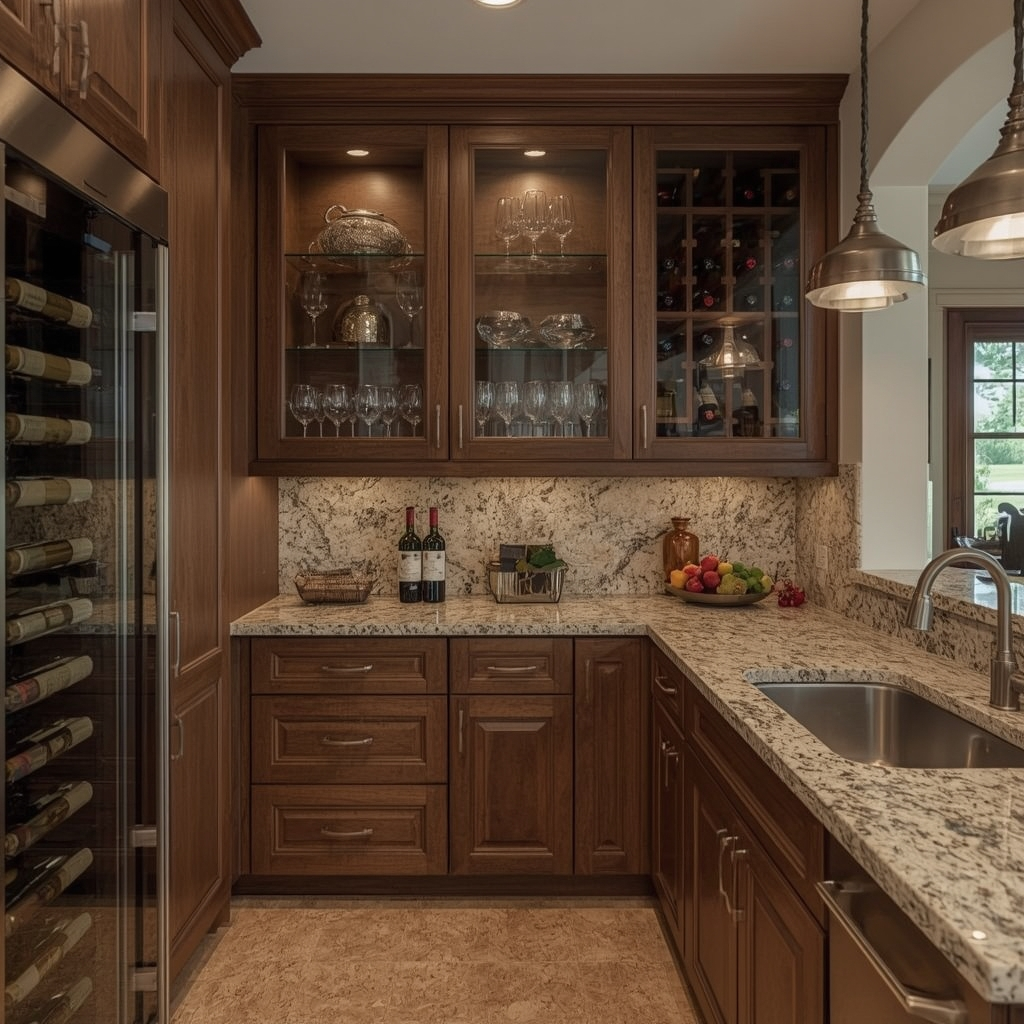
Wine-centered kitchens honor Italy’s renowned regions such as Piedmont. Climate-controlled storage units maintain ideal conditions for preserving bottles. Custom cabinetry includes stemware compartments for organized display.
Stone countertops resist staining during tastings, while wrought iron racks present bottles attractively. Adjustable lighting creates a comfortable atmosphere for sampling vintages. Cork flooring adds softness underfoot and subtly references winemaking traditions.
16. Minimalist Italian Kitchens with Concealed Storage Solutions
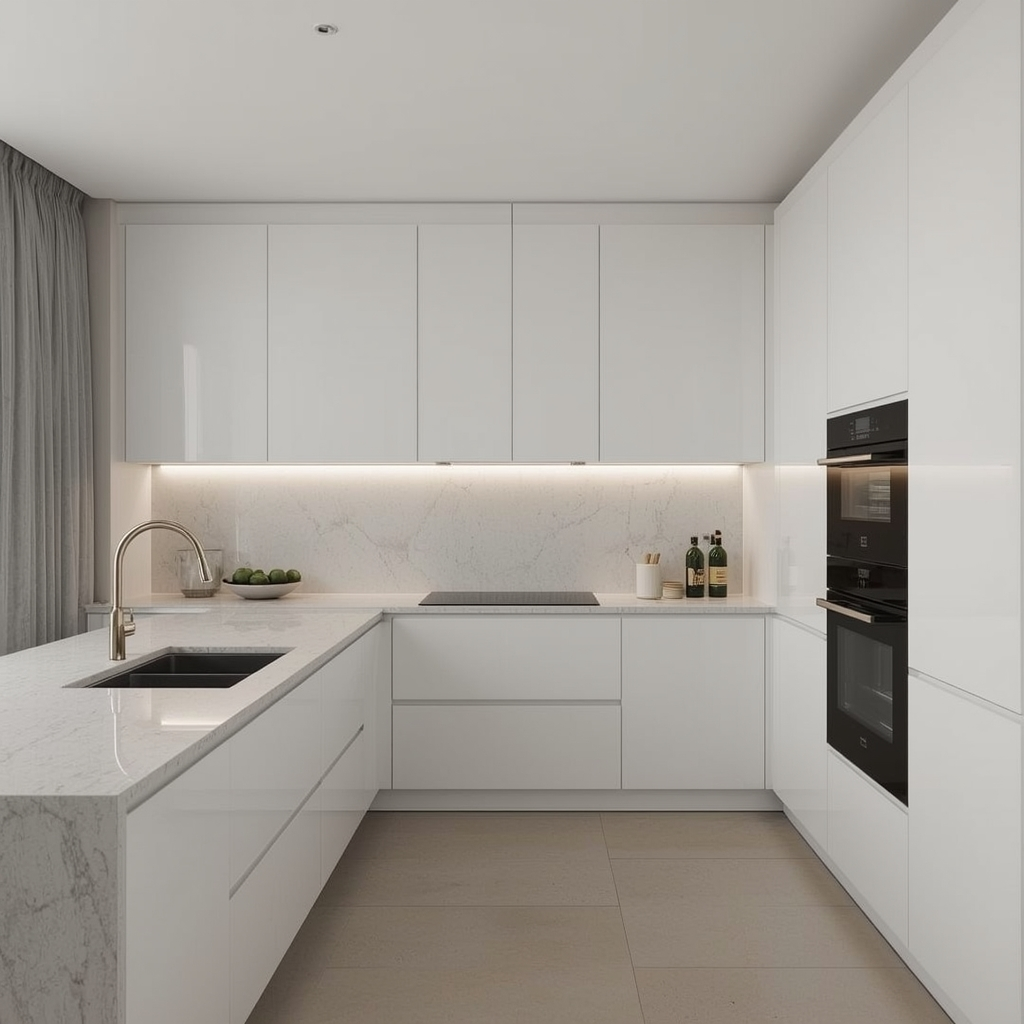
Minimalist kitchens focus on clutter-free surfaces. Push-to-open cabinets eliminate visible hardware. Integrated appliances hide behind matching panels, preserving cohesive lines.
Quartz countertops, under-cabinet LED lighting, and floor-to-ceiling storage enhance functionality. Hidden outlets and recycling systems maintain order. Neutral tones in white and gray promote a serene, spacious feel.
17. Italian Kitchens Combining Exposed Brick and Reclaimed Wood
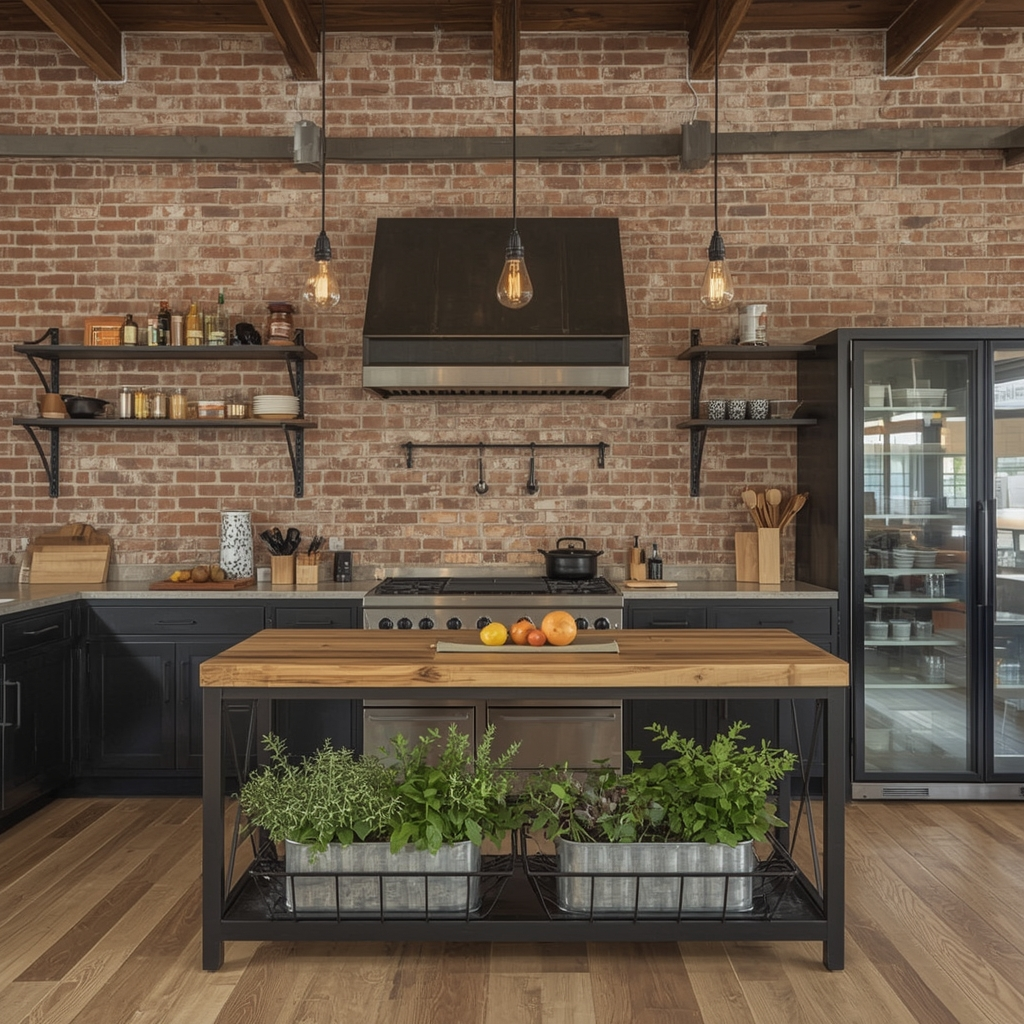
Blending sustainability and style, these kitchens feature original brick walls and reclaimed wood countertops. Steel shelving units and vintage beams introduce industrial character.
Edison bulb lighting adds warmth, while natural wood floors highlight grain patterns. Black steel hardware reinforces contrast. Herb planters in reclaimed containers emphasize eco-conscious design.
18. Roman-Inspired Classical Kitchens with Marble Elegance
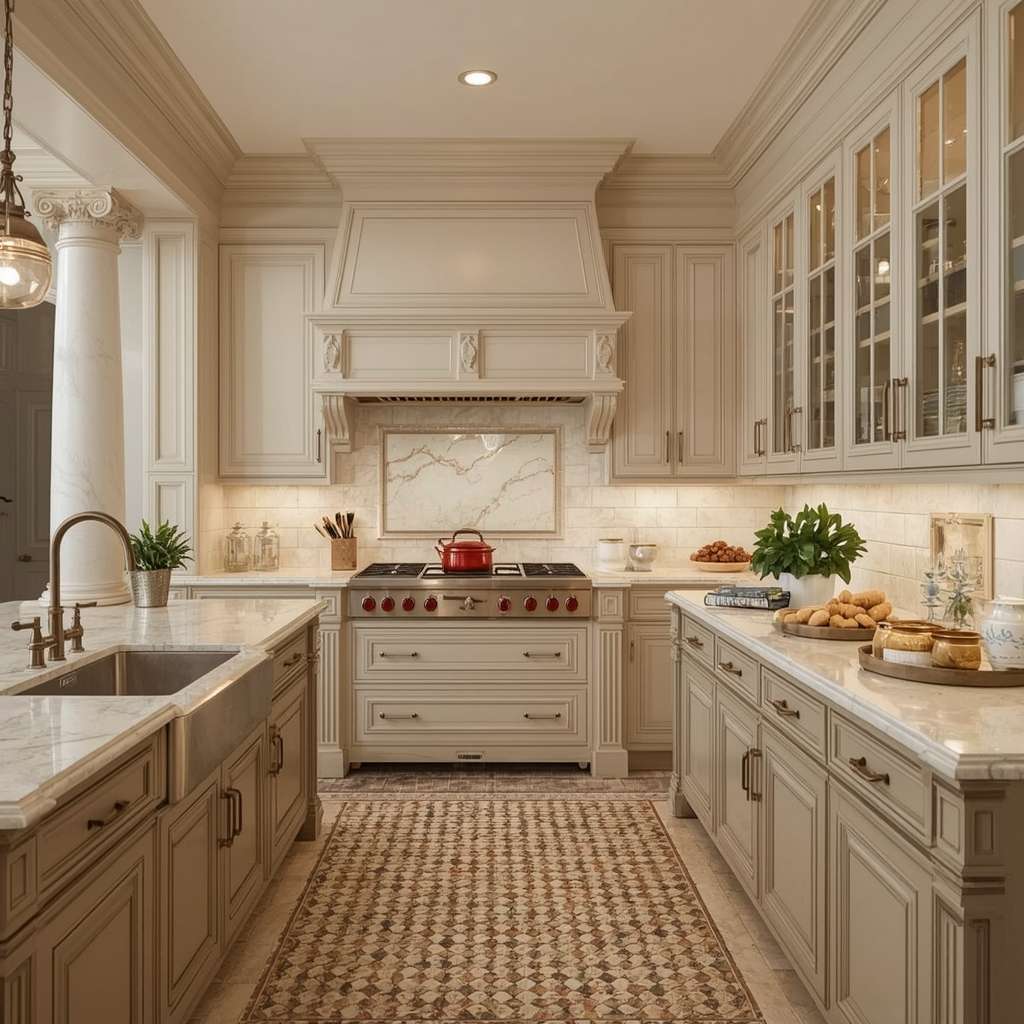
Drawing from architectural traditions of Rome, classical kitchens incorporate marble surfaces, decorative columns, and ornate moldings. Mosaic tile floors echo ancient artistry.
Raised-panel cabinetry with carved details enhances refinement. Bronze or brass fixtures introduce warmth. Concealed appliances preserve symmetry and historical character, resulting in a balanced blend of luxury and practicality.
19. Italian Kitchens Showcasing Artisan Hand-Painted Tilework
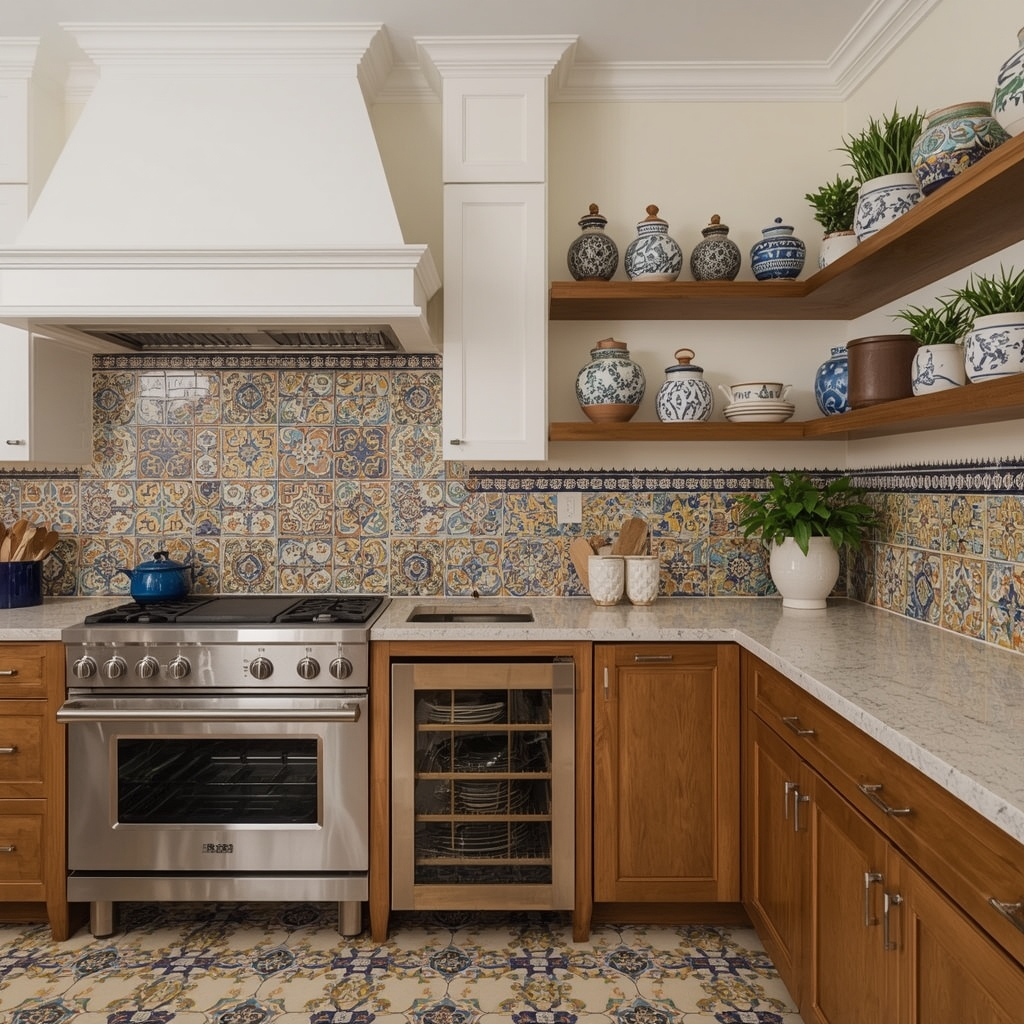
Artisan tile backsplashes transform kitchens into vibrant showcases of craftsmanship. Intricate patterns and Mediterranean hues—blue, yellow, and terra cotta—create captivating focal points.
Neutral wood cabinetry and stone countertops provide balance. Coordinated floor tiles and open shelving displaying handmade ceramics complete the cohesive look. Fresh herbs in decorative planters add natural charm, celebrating Italy’s enduring ceramic traditions.