
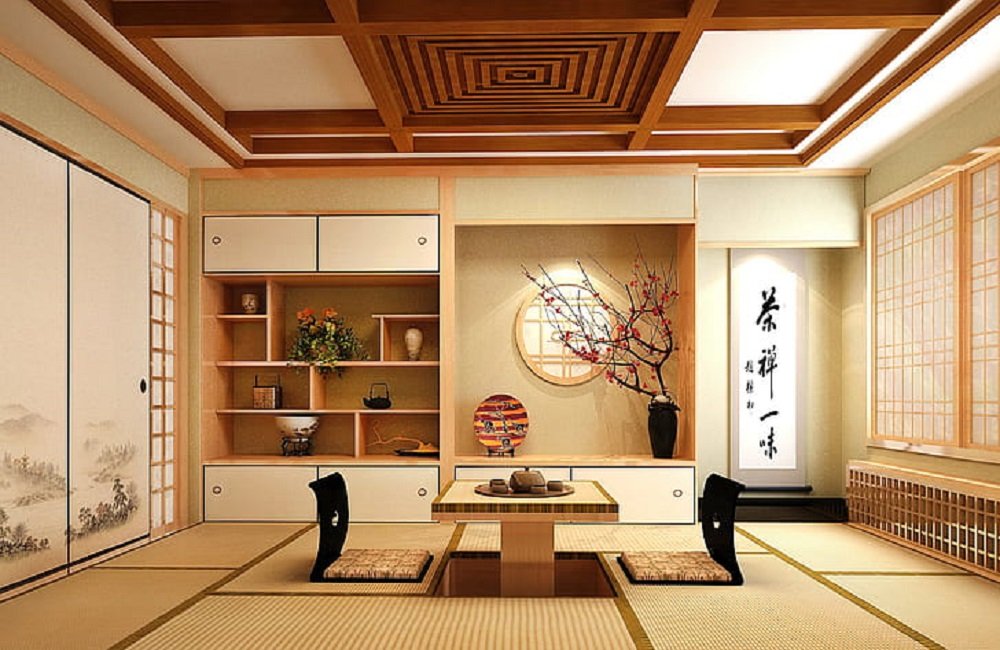
The rustic simplicity of Japanese aesthetics and the comfortable utility of Scandinavian design are harmoniously combined in the Japandi design philosophy. This hybrid design is perfect for the bedroom since it offers a calm, uncluttered, and very private haven.
Fundamentally, Japandi honors artistry, organic materials, and the beauty of flaws. Creating a room that is both aesthetically serene and cozy is the key to achieving this effect rather than a glaring emptiness. Here are some suggestions for bringing this feeling of peace and thoughtful living into your bedroom.
Ground the Room with a Low-Profile Bed
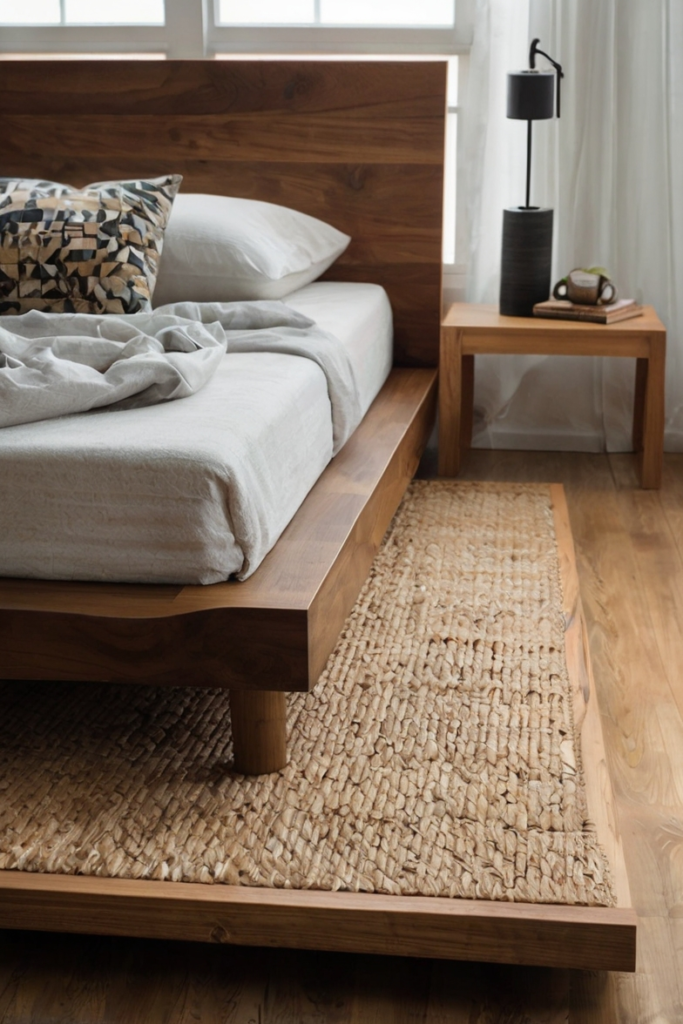
A central element in any Japandi bedroom is a bed that sits close to the floor. This practice, inspired by Japanese futons on tatami mats, fosters a sense of grounding and connection to the earth. Choose a simple, solid wood platform bed in light oak or dark walnut. Clean lines and minimal detailing reinforce the minimalist aesthetic.
Pair the low frame with high-quality bedding made from natural fibers like linen or organic cotton. Keep pillows and throws minimal, focusing on texture over quantity. This approach enhances visual spaciousness and encourages a peaceful, intentional start and end to your day.
Embrace an Earthy and Muted Color Palette
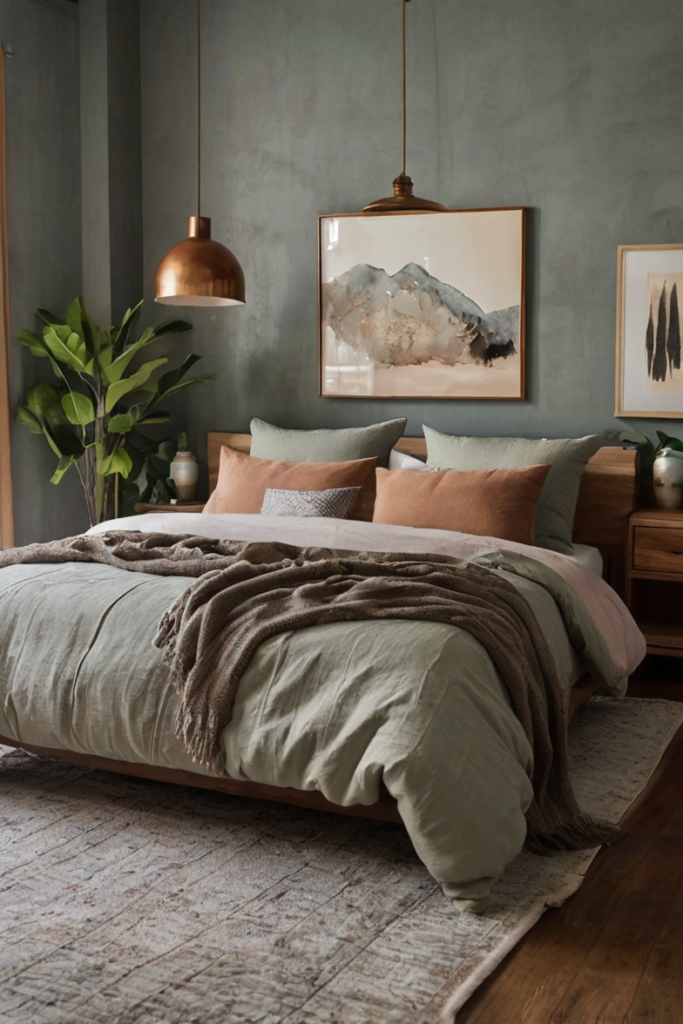
Japandi color schemes draw inspiration from nature, creating a calming and restorative atmosphere. Move away from stark whites, opting for warmer neutrals like oatmeal, stone, beige, mushroom, and soft gray. These shades provide a serene backdrop for the textures and materials in the room.
Introduce muted accent colors such as dusty rose, sage green, terracotta, or deep indigo sparingly—perhaps on a pillow, vase, or piece of abstract art. The goal is a gentle, cohesive visual experience that soothes the senses rather than overwhelms them.
Incorporate a Mix of Natural Wood Tones
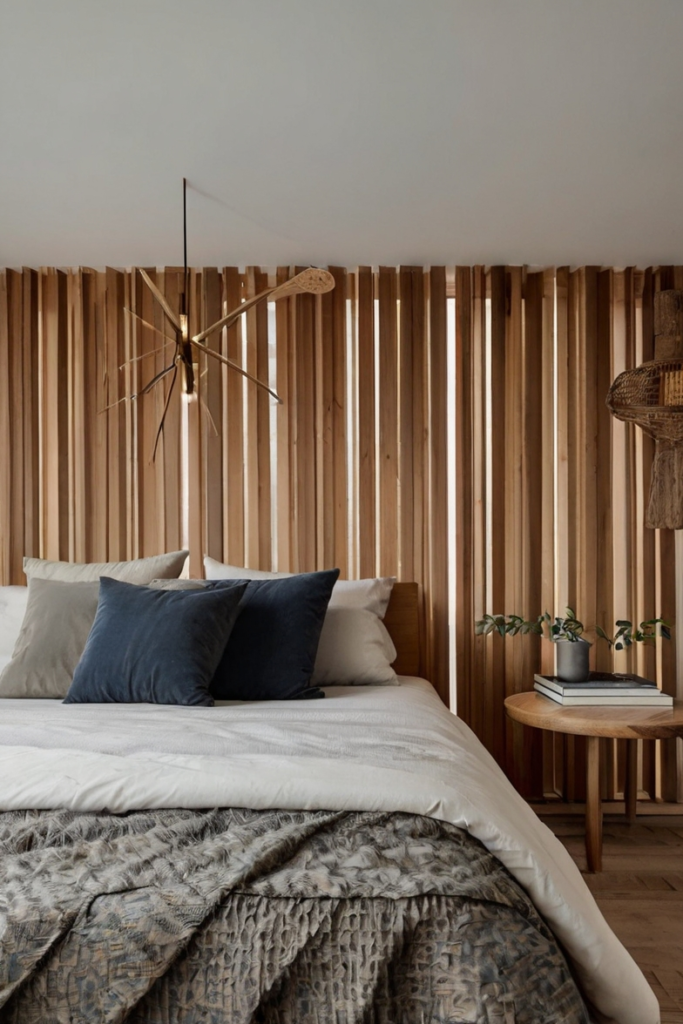
Wood is foundational in both Japanese and Scandinavian interiors, but the two styles often favor different tones. Japandi design marries light, airy Scandinavian woods (oak, ash, maple) with richer Japanese woods like walnut or stained cedar.
For example, pair a light oak bed frame with dark walnut side tables, or create a feature wall of light wood slats behind the bed with a darker wood bench at its foot. This mix adds depth and sophistication to the minimalist framework.
Emphasize Rich Textural Contrast

In a simple color palette with minimal decoration, texture becomes key to adding warmth and interest. Layer different surfaces to engage the sense of touch: pair a jute rug with a smooth ceramic lamp base and a soft boucle accent chair.
For bedding, layer a crisp linen duvet with a chunky wool throw. Consider textured wall treatments like limewash or clay plaster to create a subtle organic backdrop. These tactile details prevent the minimalist space from feeling cold, infusing it with cozy Scandinavian hygge.
Choose a Single Statement Pendant Light
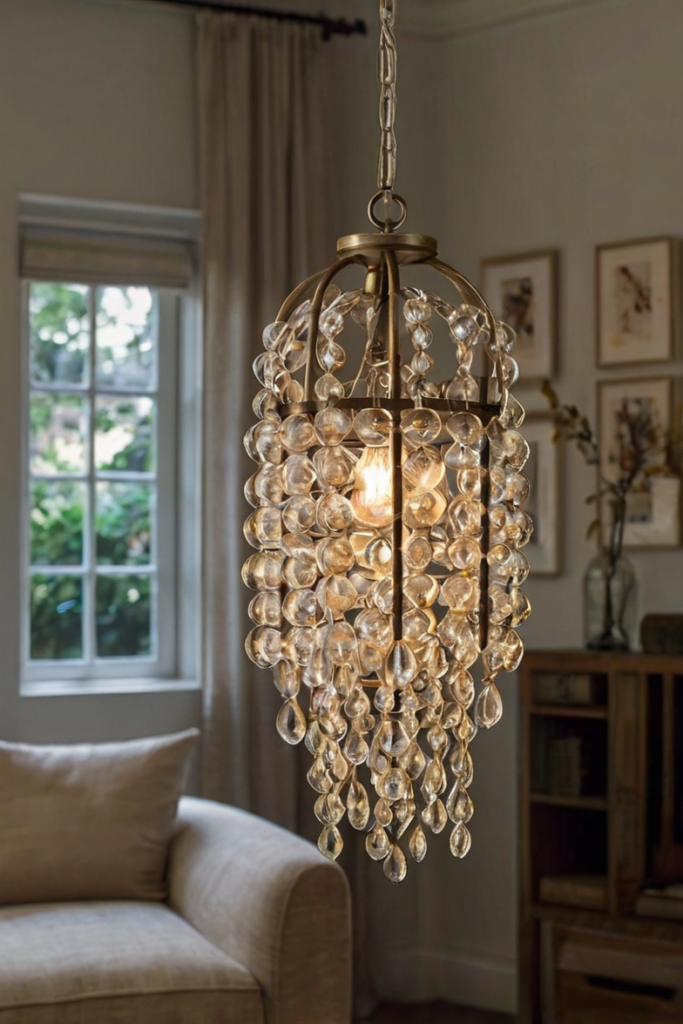
Lighting should be soft, warm, and intentional. Instead of multiple fixtures, select a single, well-crafted pendant light as both functional and decorative. Materials like paper, wood, bamboo, or ceramic work beautifully.
Hang the pendant low over a corner or beside the bed to create an intimate, focused pool of light. Ensure the bulb emits a warm, soft glow to maintain the tranquil ambiance.
Declutter with Purposeful, Integrated Storage
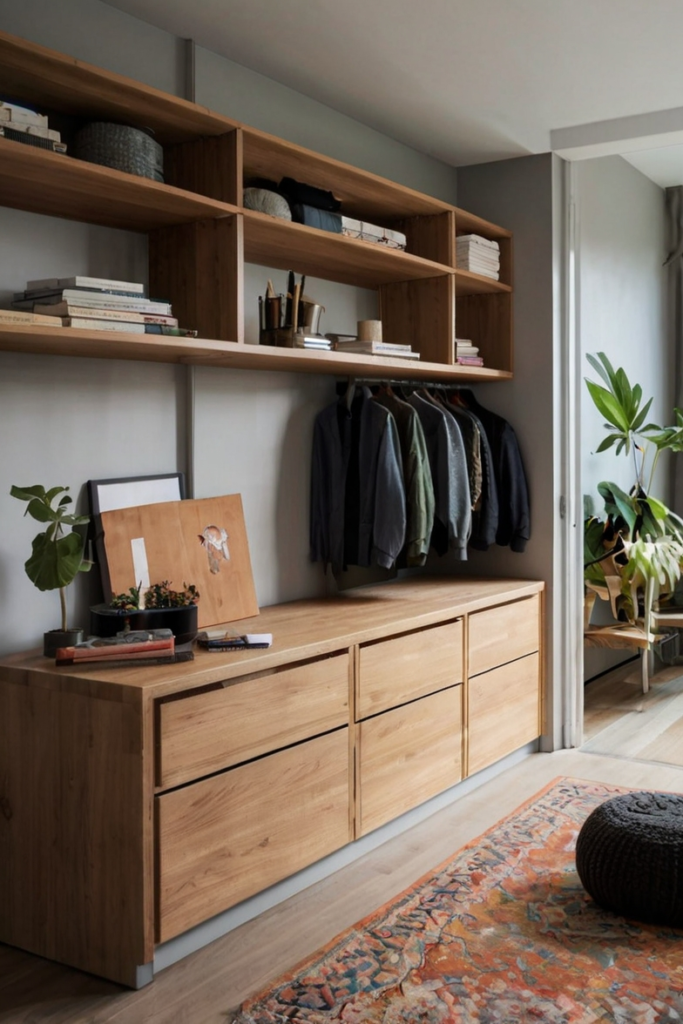
Japandi design values clutter-free spaces, which requires thoughtful, well-integrated storage. Opt for furniture with hidden functionality, like handleless dressers or beds with built-in storage.
Custom built-in closets with flat-panel doors that blend with the walls maintain openness. Open shelving should display only a few cherished items that add personal meaning and beauty to the room.
Integrate Subtle Biophilic Elements
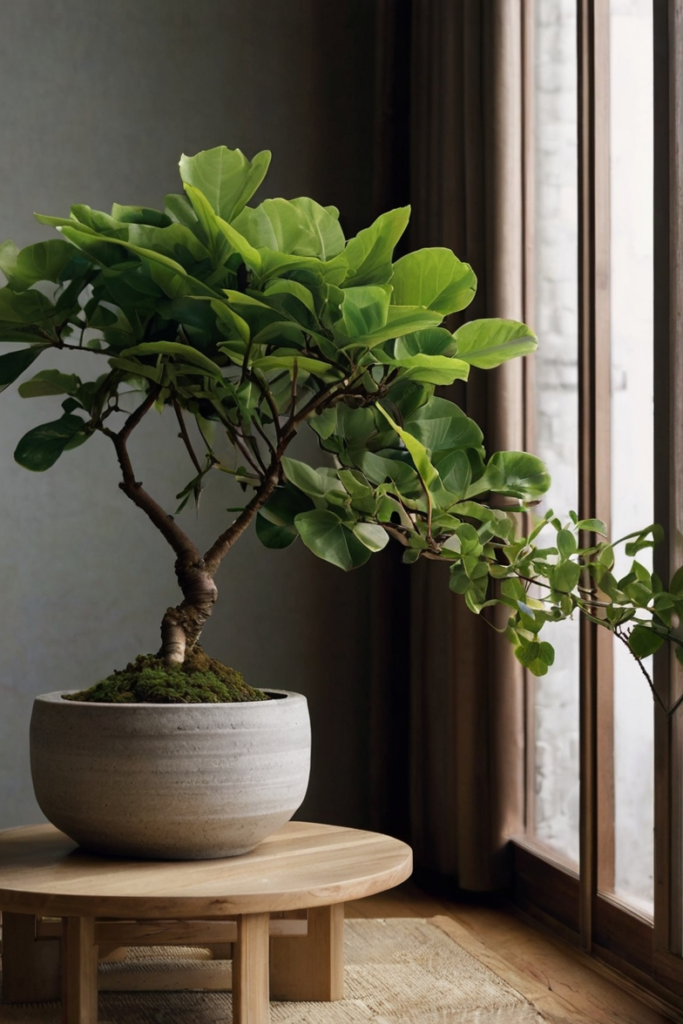
Nature plays a central role in Japandi design, but with restraint. Instead of a jungle of plants, choose one carefully selected element—a bonsai, a tall fiddle leaf fig in a simple pot, or a single branch in a vase.
Inspired by Japanese ikebana, this approach emphasizes form and line. A small connection to nature enhances serenity without overwhelming the room.
Celebrate the Beauty of Imperfection
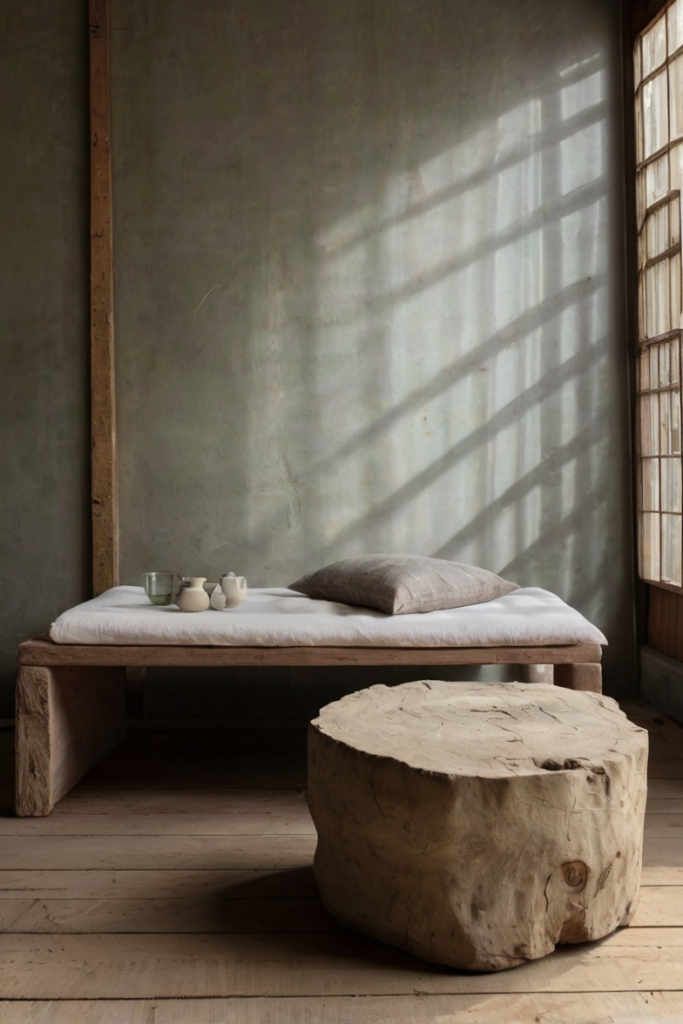
Wabi-sabi, the Japanese appreciation for imperfection, can be reflected through items that show the maker’s hand. Opt for slightly asymmetrical ceramics, rough-hewn wooden benches, or naturally wrinkled linen bedding.
Avoid overly mass-produced or perfectly symmetrical items. These small imperfections add soul, character, and a sense of authenticity to the space.
Use Shoji-Inspired Room Dividers
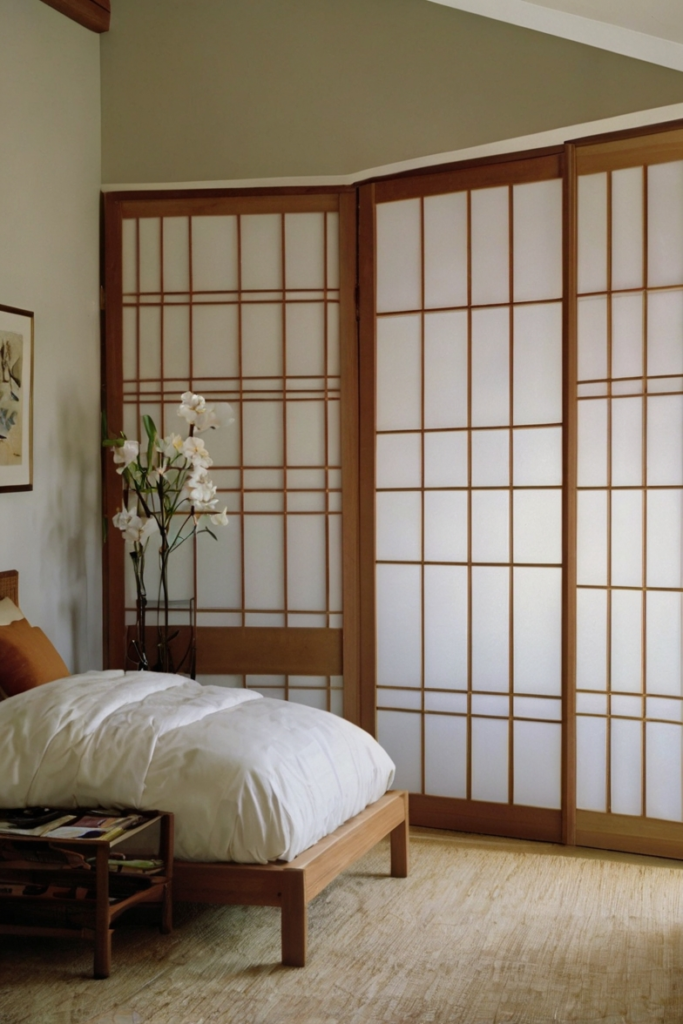
Shoji screens—translucent paper panels in wooden frames—can divide spaces and diffuse light. Freestanding screens can create a small dressing area, while sliding panels or frosted glass closet doors add privacy while allowing natural light to filter through.
This maintains the bright, airy feel characteristic of Scandinavian design.
Select Minimalist, Nature-Inspired Artwork
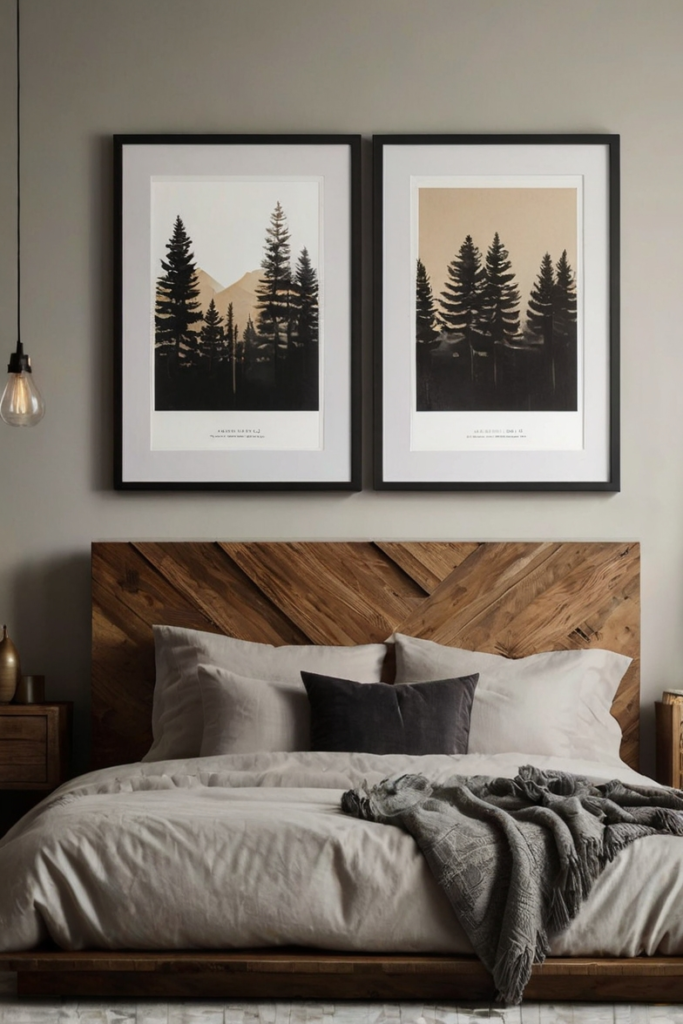
Art should complement the room’s calm atmosphere rather than dominate it. Choose one or two large pieces of minimalist art with organic shapes, simple lines, or traditional ink wash landscapes.
Frame in natural wood or thin metal, and place thoughtfully—off-center or in unexpected locations—to create balance and evoke calm without creating a busy gallery wall.
Carve Out a Serene Reading Nook
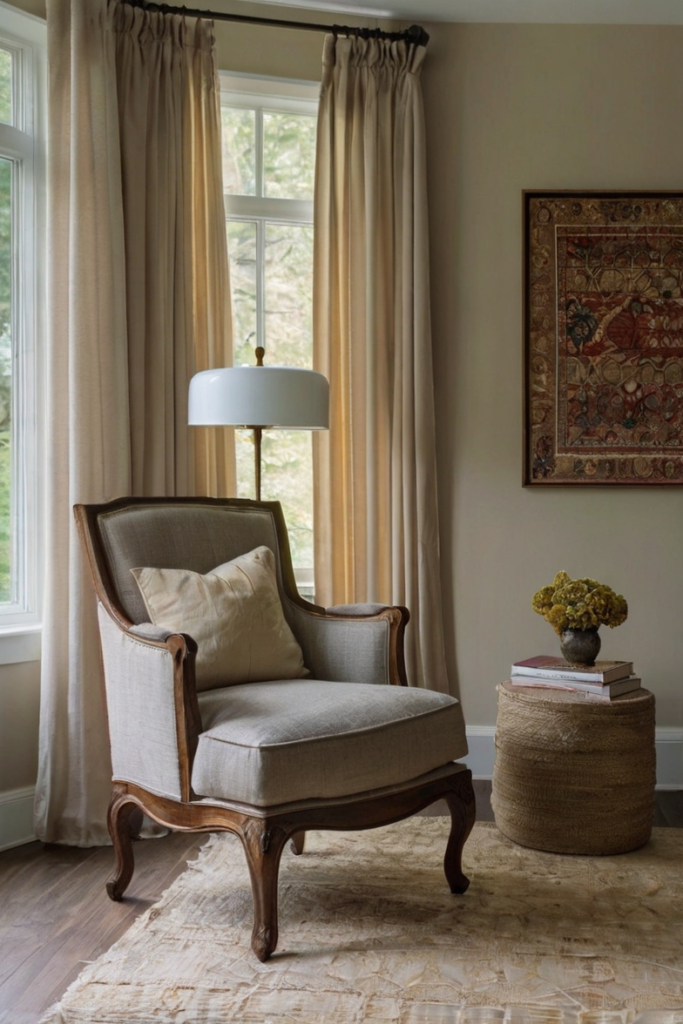
Create a small, dedicated corner for reading, reflection, or enjoying a cup of tea. Use a simple armchair in textured fabric like linen or boucle, paired with a small side table.
Place near a window to take advantage of natural light. This curated corner adds function and reinforces the bedroom as a personal retreat.
Layer Rugs Made from Natural Fibers
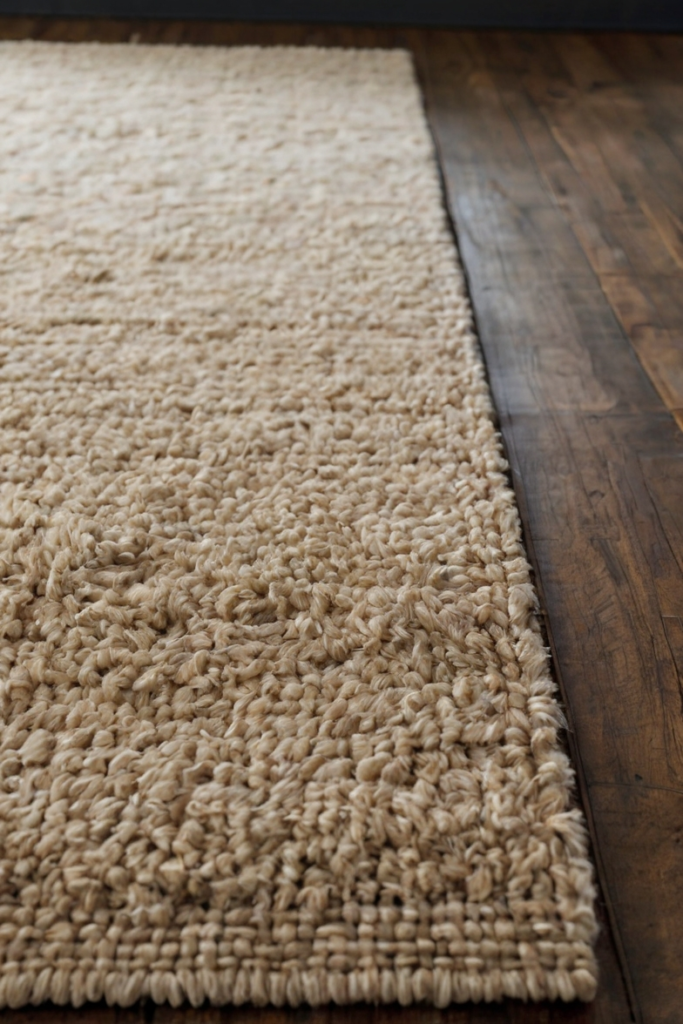
Ground the room with soft, natural-fiber rugs for warmth and texture. Use a large jute, sisal, or wool area rug to define the sleeping area. For added depth, layer a smaller rug—like a sheepskin or plush wool—on top.
This layering adds visual interest and a luxurious tactile experience underfoot, balancing minimalism with cozy comfort.