
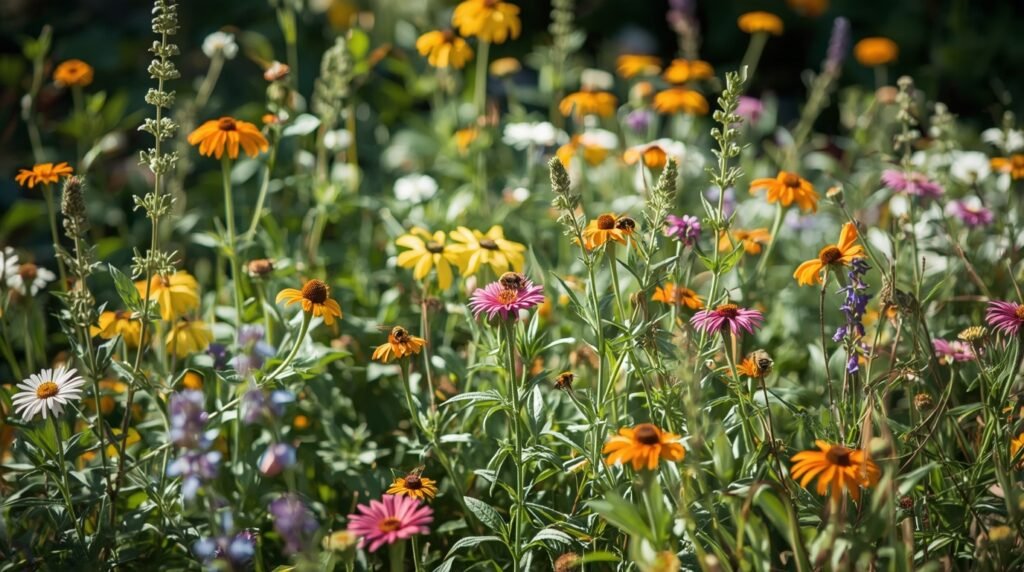
Creating a pollinator garden is a wonderful way to support bees, butterflies, hummingbirds, and other essential wildlife while adding beauty to your outdoor space. Pollinator garden ideas focus on planting a mix of nectar-rich flowers, native plants, and herbs that attract and sustain these beneficial creatures.
Colorful blooms, layered plant heights, and continuous flowering throughout the seasons can make your garden both vibrant and productive. You can also incorporate features like butterfly houses, bee hotels, and shallow water sources to create a welcoming habitat.
In this guide, you’ll discover pollinator garden ideas, plant suggestions, layout tips, and simple ways to design a garden that’s eco-friendly, lively, and visually stunning.
1. Wildflower Meadow
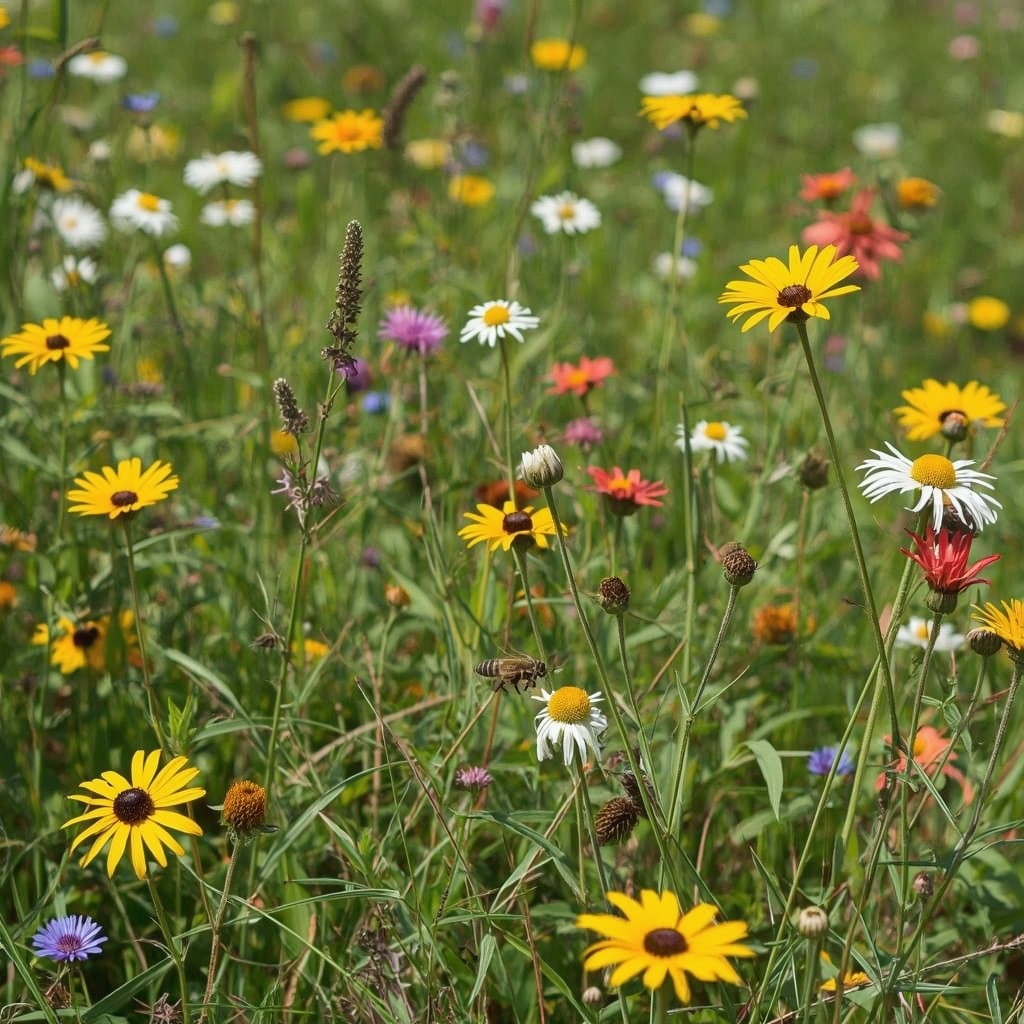
A wildflower meadow is one of the most natural ways to attract pollinators while creating a vibrant and colorful outdoor space. By planting a variety of native wildflowers, you can draw bees, butterflies, moths, and other beneficial insects to your yard.
These meadows play a critical role in maintaining biodiversity by offering essential nectar and pollen sources for pollinators. They also provide shelter and breeding grounds, supporting the survival of local insect populations. By integrating wildflowers that bloom in different seasons, you can ensure that pollinators have access to resources throughout the year, which in turn supports the overall health of your garden ecosystem.
2. Butterfly Garden
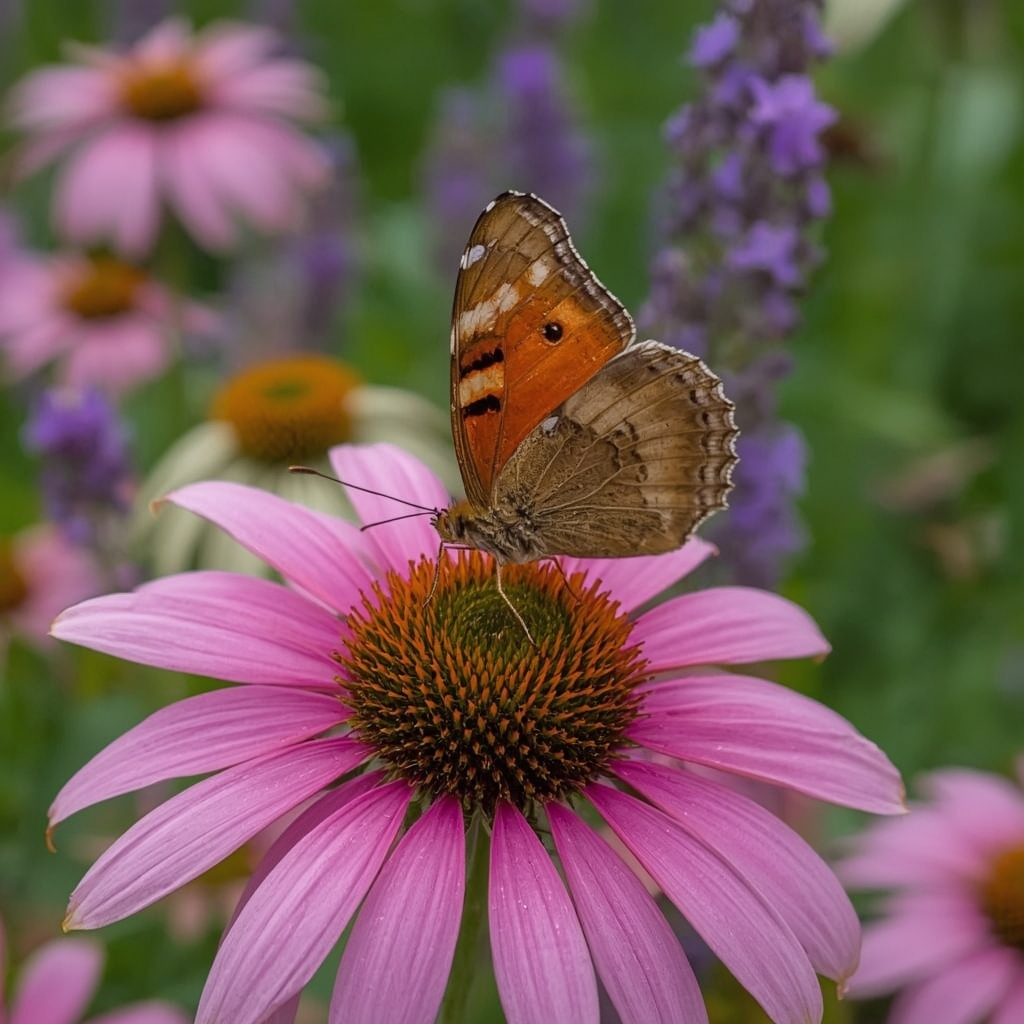
Butterfly gardens are designed specifically to attract these delicate and beautiful pollinators. Including nectar-rich flowers such as milkweed, coneflowers, butterfly bush, and lavender encourages butterflies to visit and lay eggs.
In addition to feeding, a butterfly garden offers safe habitats for caterpillars to grow, helping sustain butterfly populations. By planting a mix of annuals and perennials, you create a space that not only adds color and movement to your garden but also contributes to the conservation of these vital insects.
3. Native Plant Garden
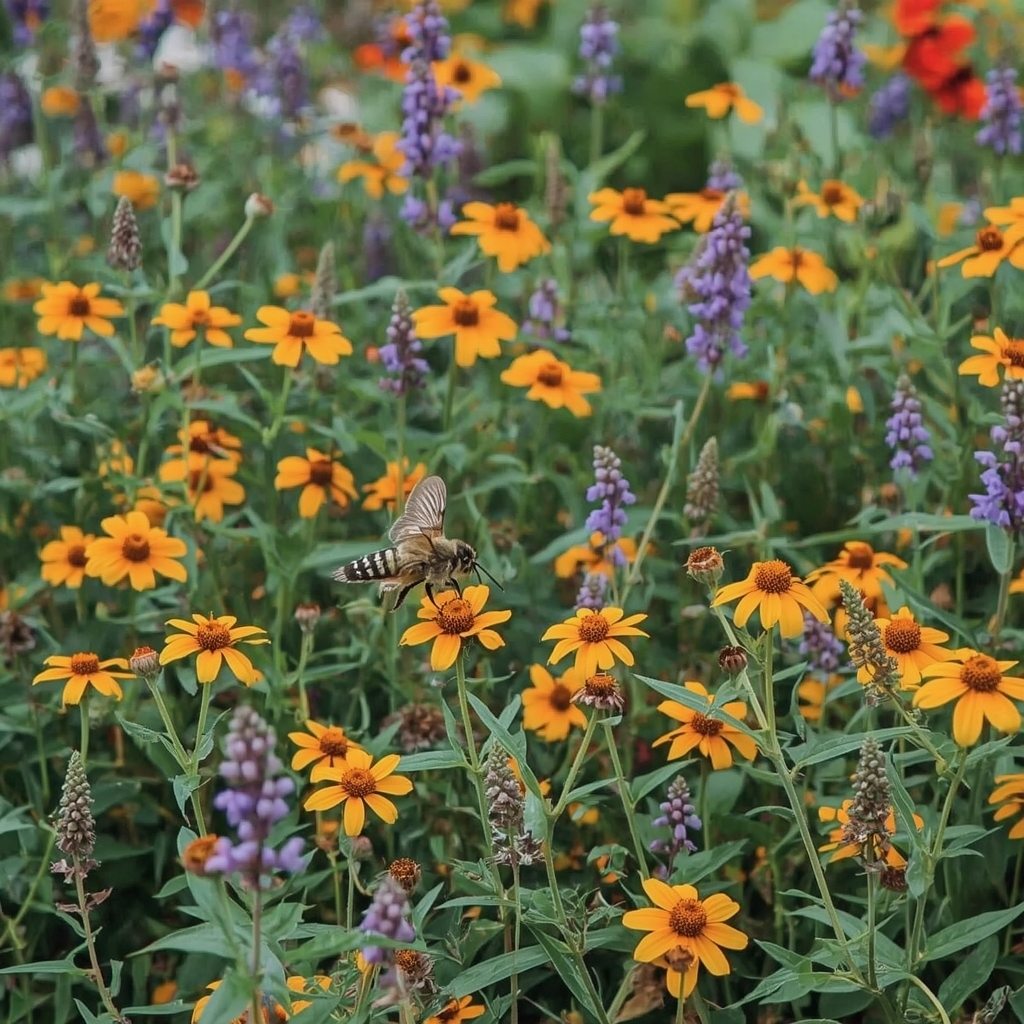
Gardening with native plants is a powerful way to support local pollinators. These plants have evolved alongside regional wildlife and provide the exact resources that native bees, butterflies, and hummingbirds need to thrive.
Native plant gardens reduce the need for chemical fertilizers or pesticides, making them environmentally friendly. They also help preserve local ecosystems, ensuring pollinator populations remain stable. For gardeners, native plants are typically hardy, low-maintenance, and resilient, making them a practical choice for both small and large garden spaces.
4. Herb Garden with Pollinator-Friendly Plants
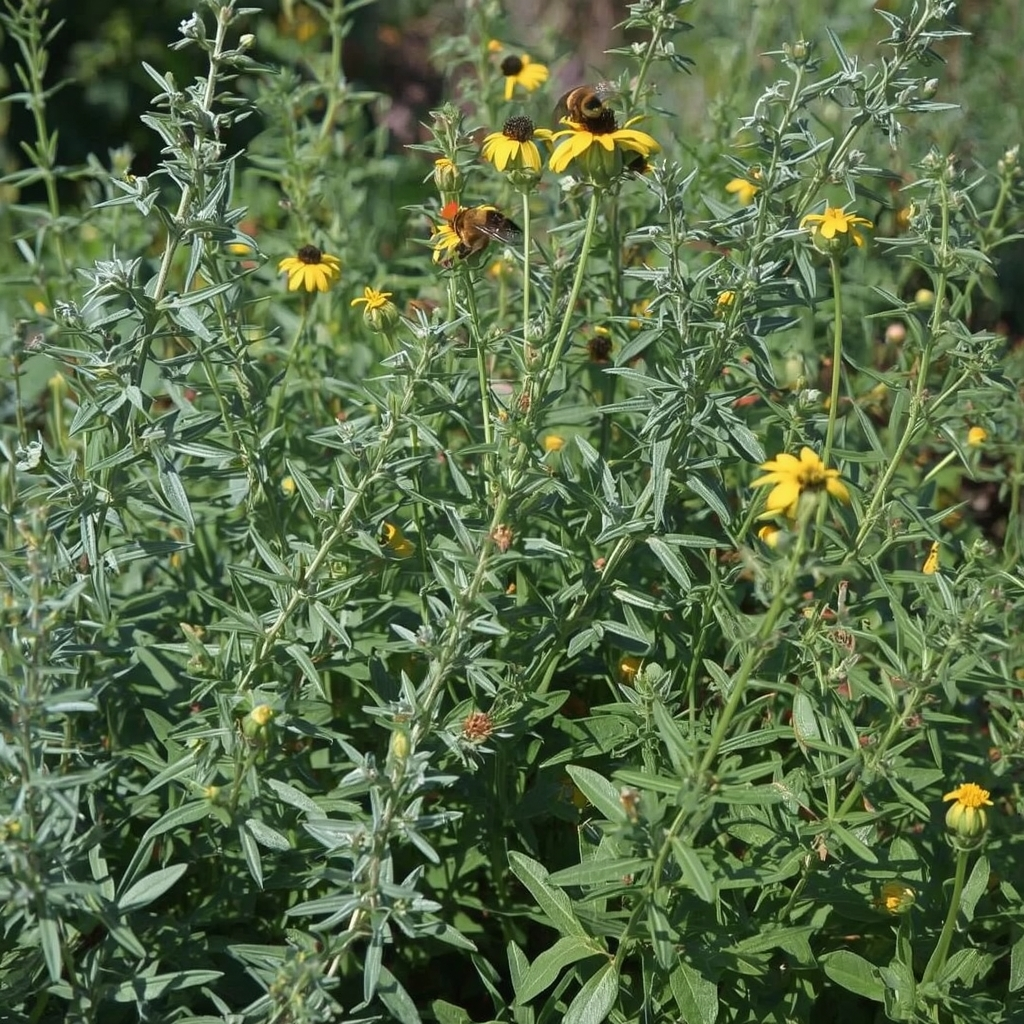
Herb gardens can serve a dual purpose: they provide fresh culinary ingredients while supporting pollinators. Bees and other insects are especially attracted to flowering herbs such as thyme, basil, rosemary, oregano, and lavender.
Planting herbs in clusters or containers ensures they bloom abundantly, providing a constant food source for pollinators. This type of garden is particularly rewarding because it supports sustainability while offering fresh ingredients for the kitchen, making it a functional and eco-friendly garden design choice.
5. Container Garden with Pollinator Plants
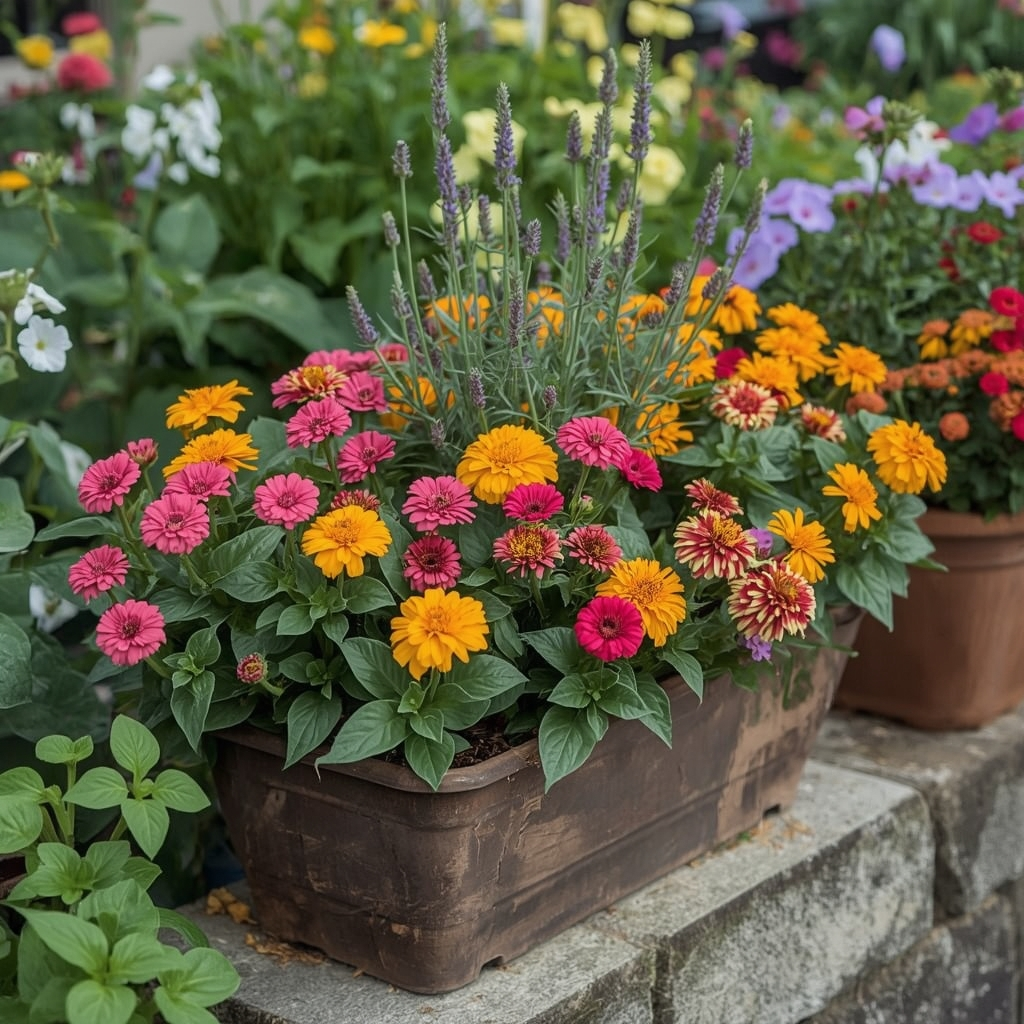
For those with limited outdoor space, container gardens are a versatile solution. By growing pollinator-friendly plants like lavender, marigolds, geraniums, and nasturtiums in pots or raised planters, you can attract bees and butterflies even in small yards, balconies, or patios.
Container gardens are ideal for urban environments where ground space is scarce. They allow gardeners to strategically place pollinator-friendly blooms near windows, walkways, or seating areas, making it easy for pollinators to access food while enhancing the aesthetic appeal of your outdoor space.
6. Rain Garden with Nectar-Rich Plants
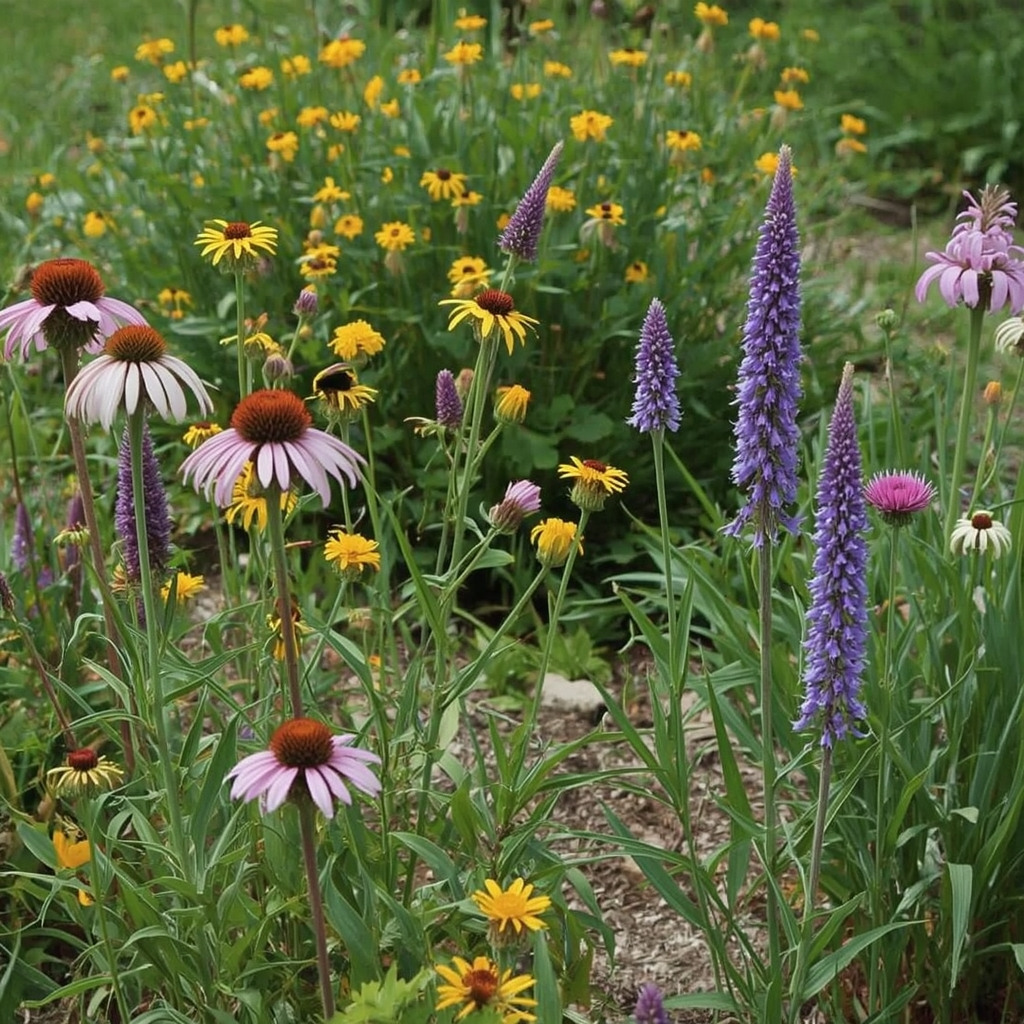
Rain gardens are designed to capture and filter runoff water while simultaneously creating a pollinator-friendly habitat. By incorporating nectar-rich plants like bee balm, asters, and goldenrod, these gardens provide food and shelter for a variety of pollinators.
Beyond supporting pollinators, rain gardens help reduce soil erosion, filter pollutants, and manage stormwater naturally. Combining practical environmental benefits with ecological support for pollinators makes this a smart and sustainable garden choice.
7. Pollinator-Friendly Lawn Alternatives
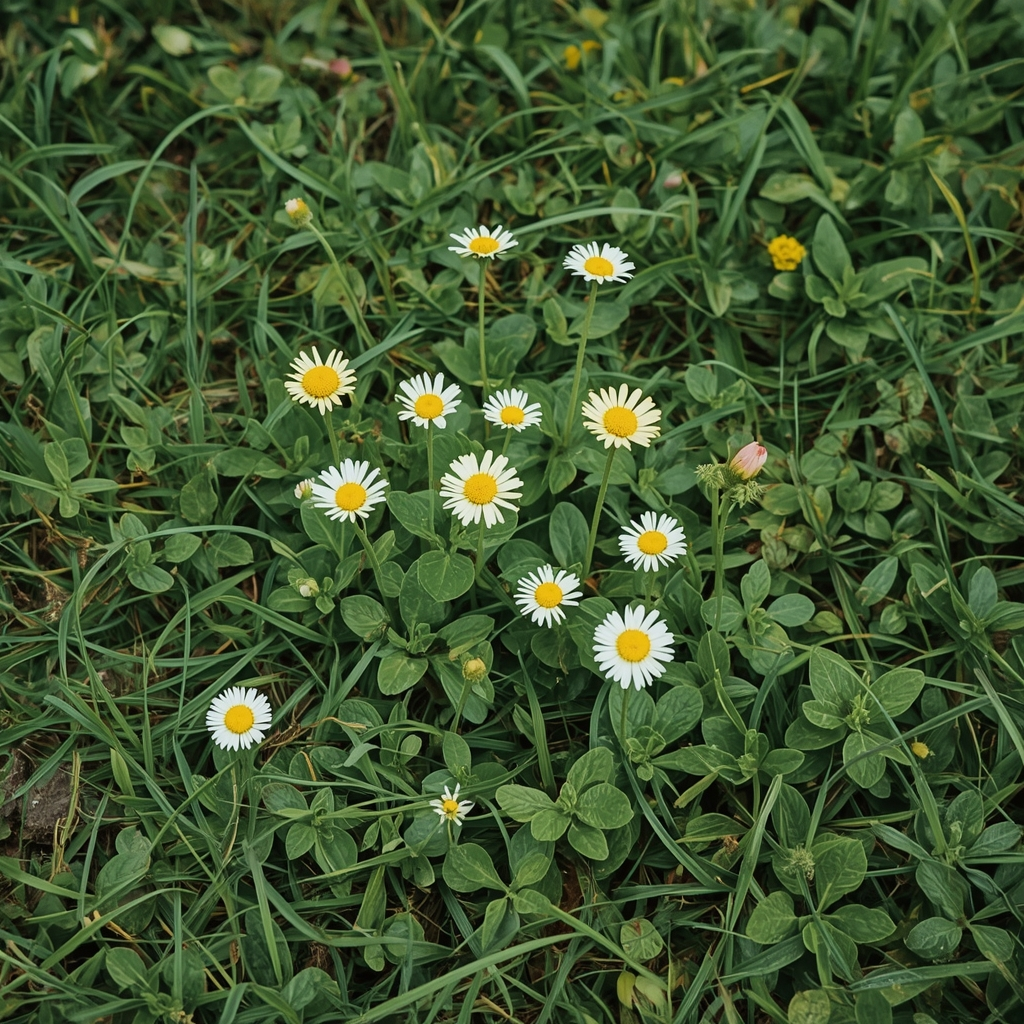
Traditional lawns offer little to pollinators, but replacing sections of turf with flowering groundcovers can transform your yard into a haven for bees and butterflies. Plants like clover, creeping thyme, or chamomile produce nectar-rich blooms while being low-maintenance and drought-tolerant.
Pollinator-friendly lawns reduce the need for fertilizers and herbicides, creating a safer environment for beneficial insects. This approach also promotes biodiversity and offers a sustainable alternative to conventional lawns that often provide no ecological benefit.
8. Butterfly Puddling Station
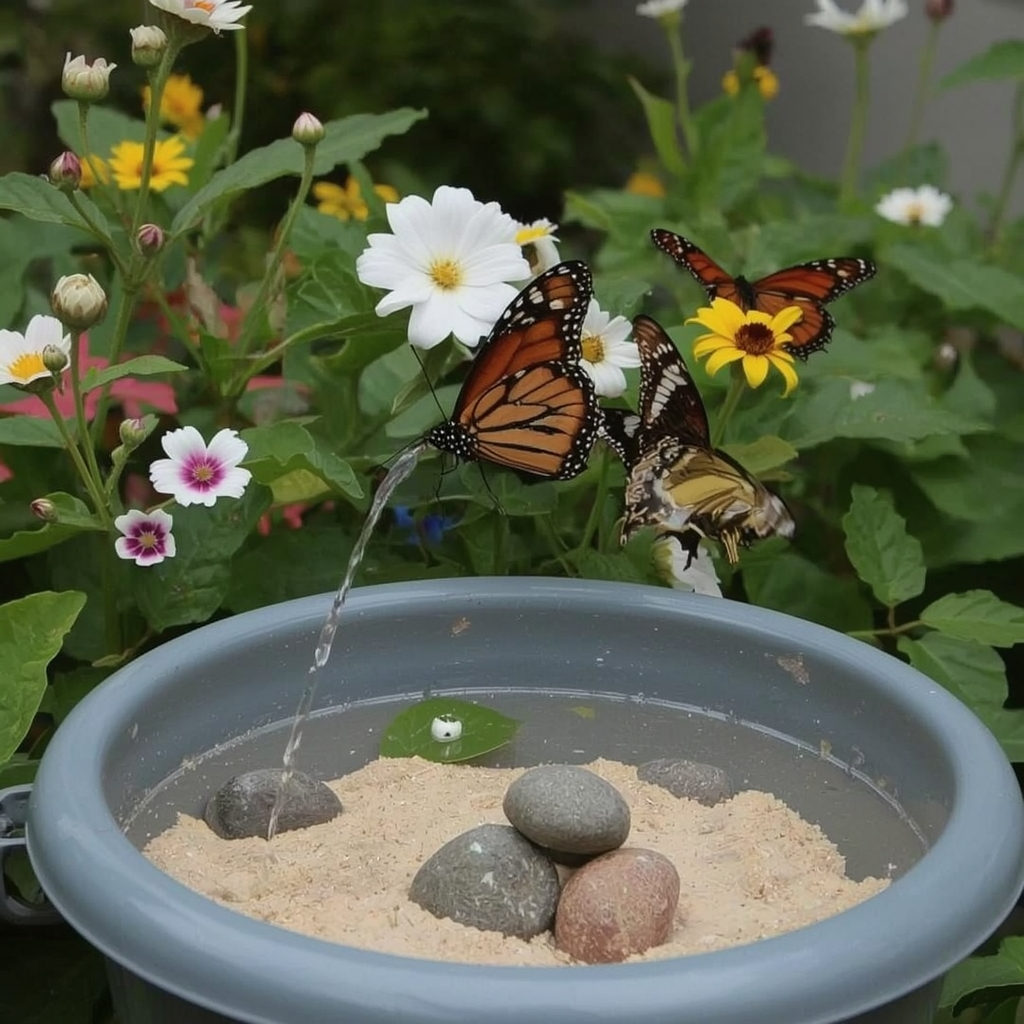
Butterflies, like many pollinators, need water and minerals. A puddling station—usually a shallow container with sand and water—provides a safe place for butterflies to drink and extract essential nutrients.
This simple addition supports butterfly hydration, particularly during hot and dry periods, and encourages these pollinators to spend more time in your garden. You can enhance the station with flat stones for perching and surrounding nectar plants to create a complete butterfly-friendly microhabitat.
9. Hummingbird Feeder Garden
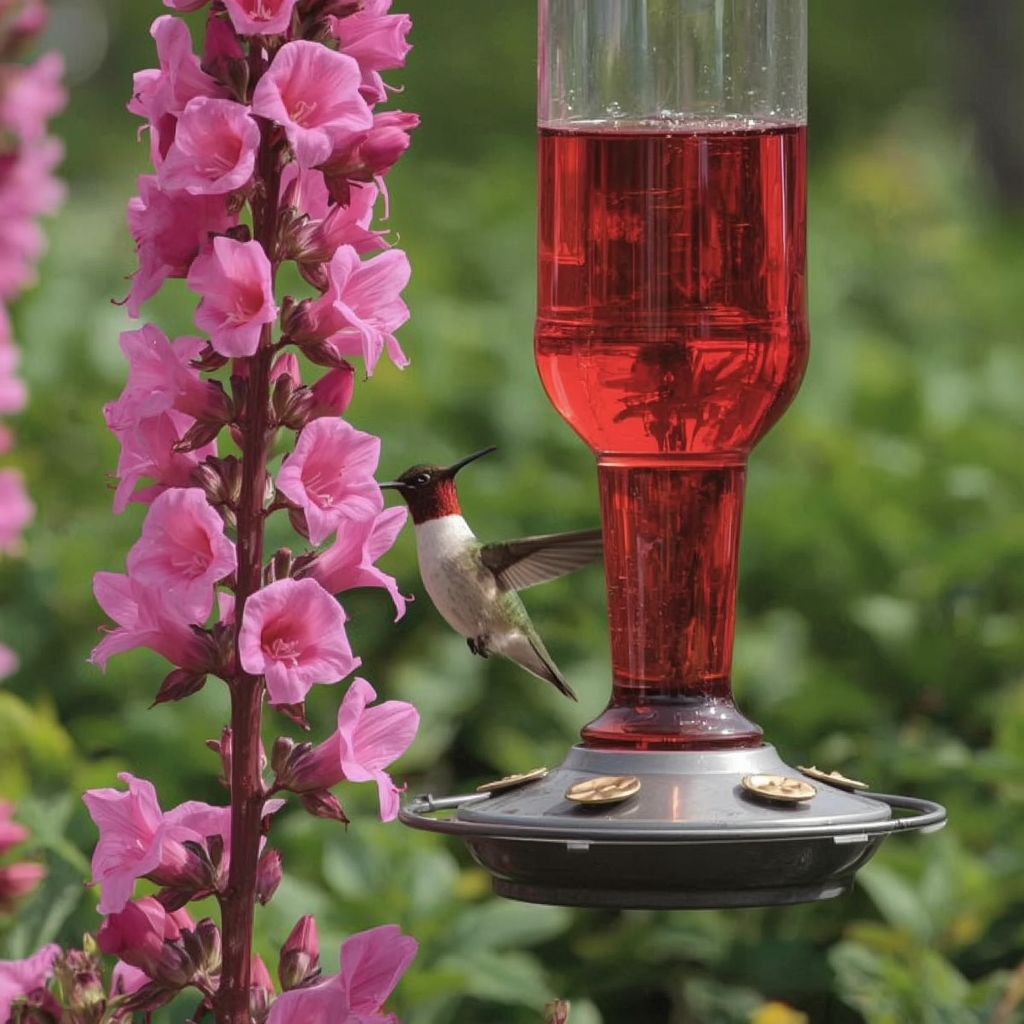
Hummingbirds are vital pollinators for many flowering plants. Designing a hummingbird garden with feeders and nectar-producing flowers such as trumpet vine, bee balm, and columbine ensures that these tiny birds have a reliable food source.
Hummingbird gardens also attract other pollinators like bees and butterflies, providing a diverse ecosystem. The combination of feeders and native plants encourages long-term visits, making your garden both lively and ecologically supportive.
10. Bee Hotel Garden
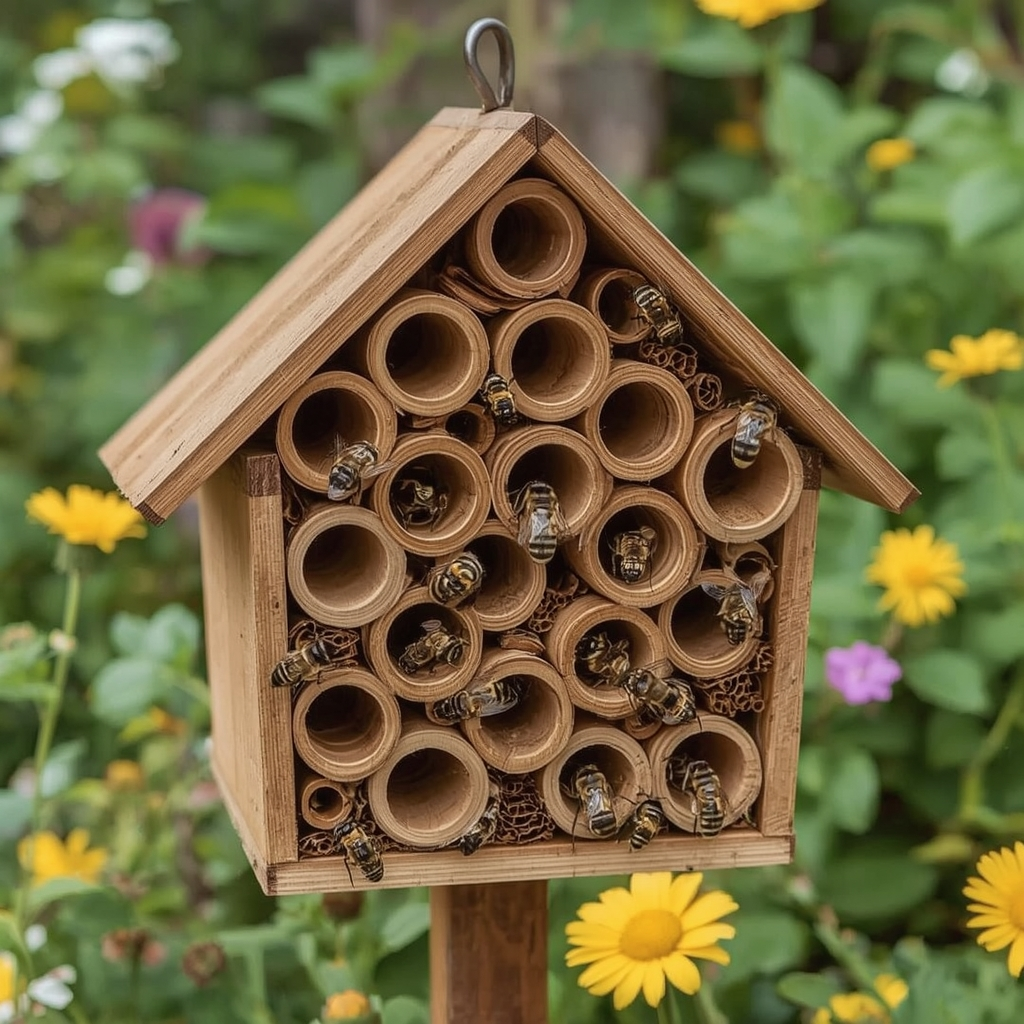
Solitary bees require nesting sites to reproduce, and bee hotels provide safe, structured habitats for these essential pollinators. Constructed from bamboo tubes, drilled wood blocks, or bundled twigs, bee hotels encourage solitary bees to lay eggs in a protected environment.
These gardens increase local bee populations and help maintain pollination rates in your yard. By combining nesting sites with abundant nectar sources, you can create a thriving habitat for these often-overlooked pollinators.
11. Flowering Vine Trellis Garden
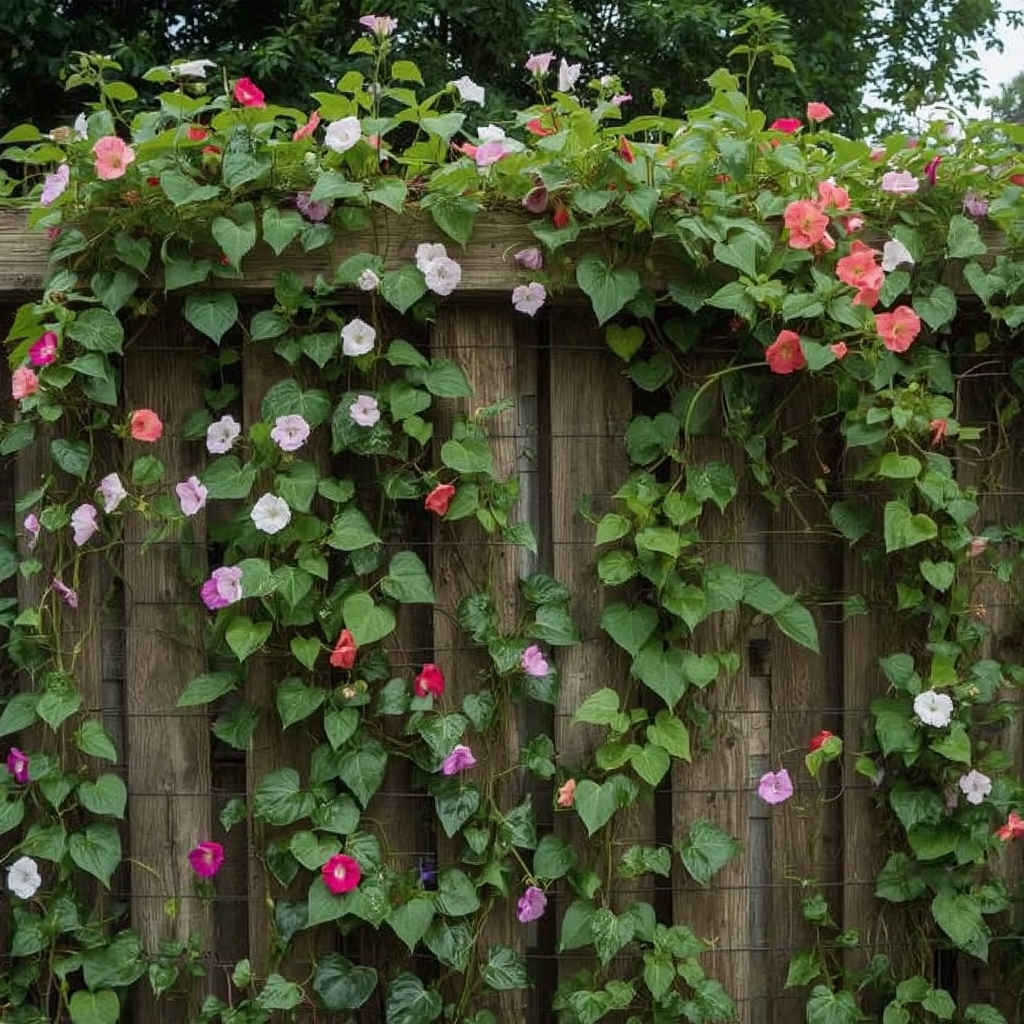
Climbing plants on trellises or fences are excellent for attracting pollinators while maximizing vertical garden space. Vines like morning glories, clematis, and honeysuckle provide both nectar and shelter for bees, hummingbirds, and butterflies.
Vertical pollinator gardens are especially useful in urban environments or small yards, allowing gardeners to create lush, multi-layered habitats without taking up valuable ground space.
12. Rock Garden with Pollinator Plants
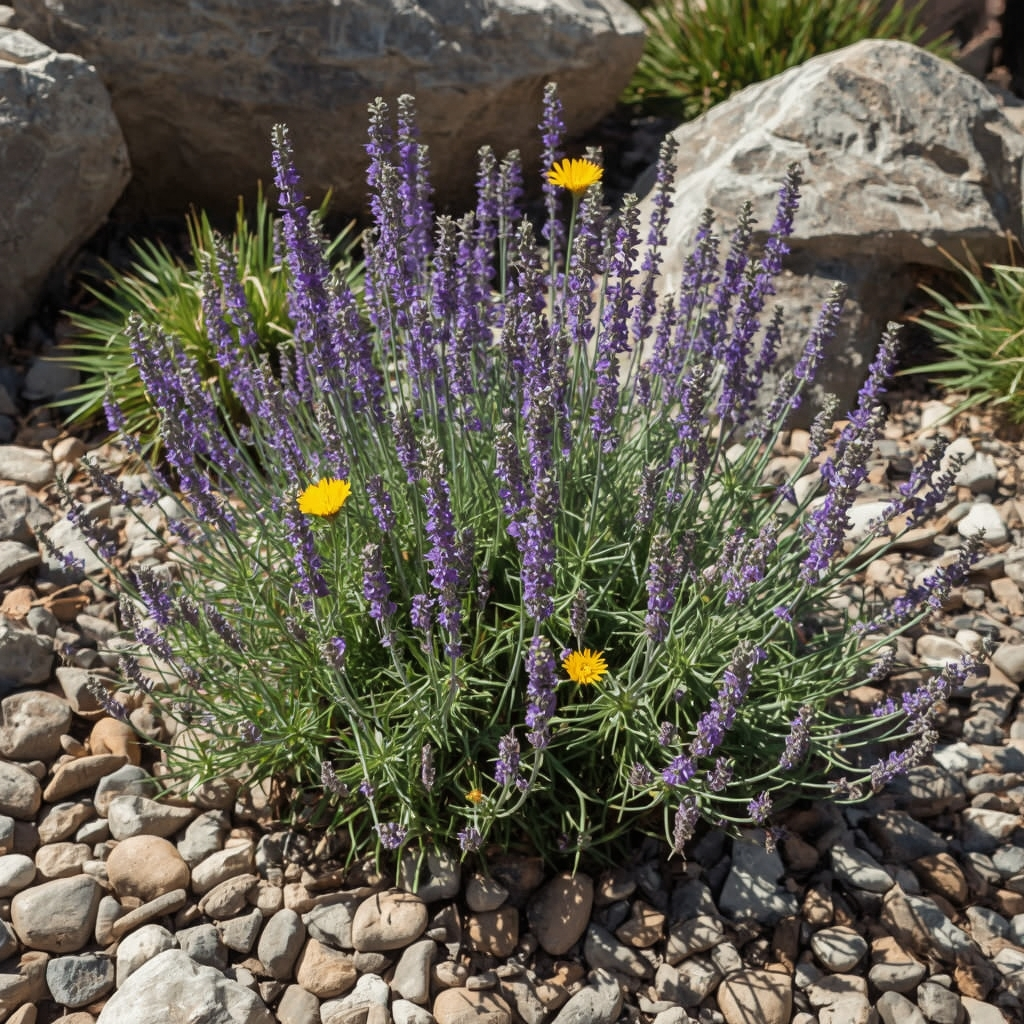
Rock gardens are not only visually appealing but also functional for pollinators. By planting drought-tolerant, native flowering species like thyme, lavender, and sedum among rocks, you create microhabitats where pollinators can forage safely.
These gardens are ideal for conserving water, adding texture to your landscape, and supporting insects that thrive in well-drained, sunny areas.
13. Community Pollinator Garden
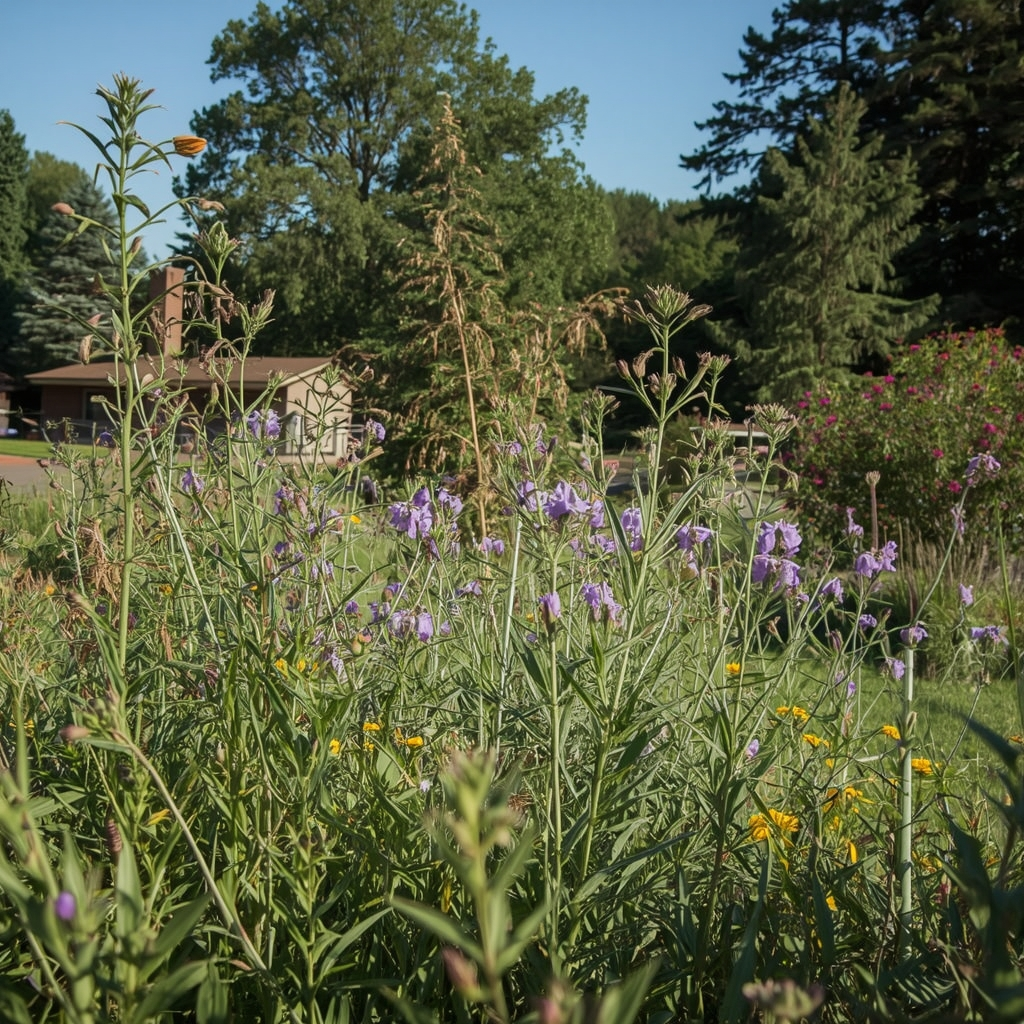
Community pollinator gardens encourage local residents to collaborate in creating shared habitats. These gardens often feature a mix of nectar-rich flowers, shrubs, and trees, supporting a diverse range of pollinators.
Beyond ecological benefits, community gardens foster environmental awareness, social engagement, and educational opportunities, helping the public understand the importance of pollinator conservation.
14. Vertical Garden with Pollinator Plants
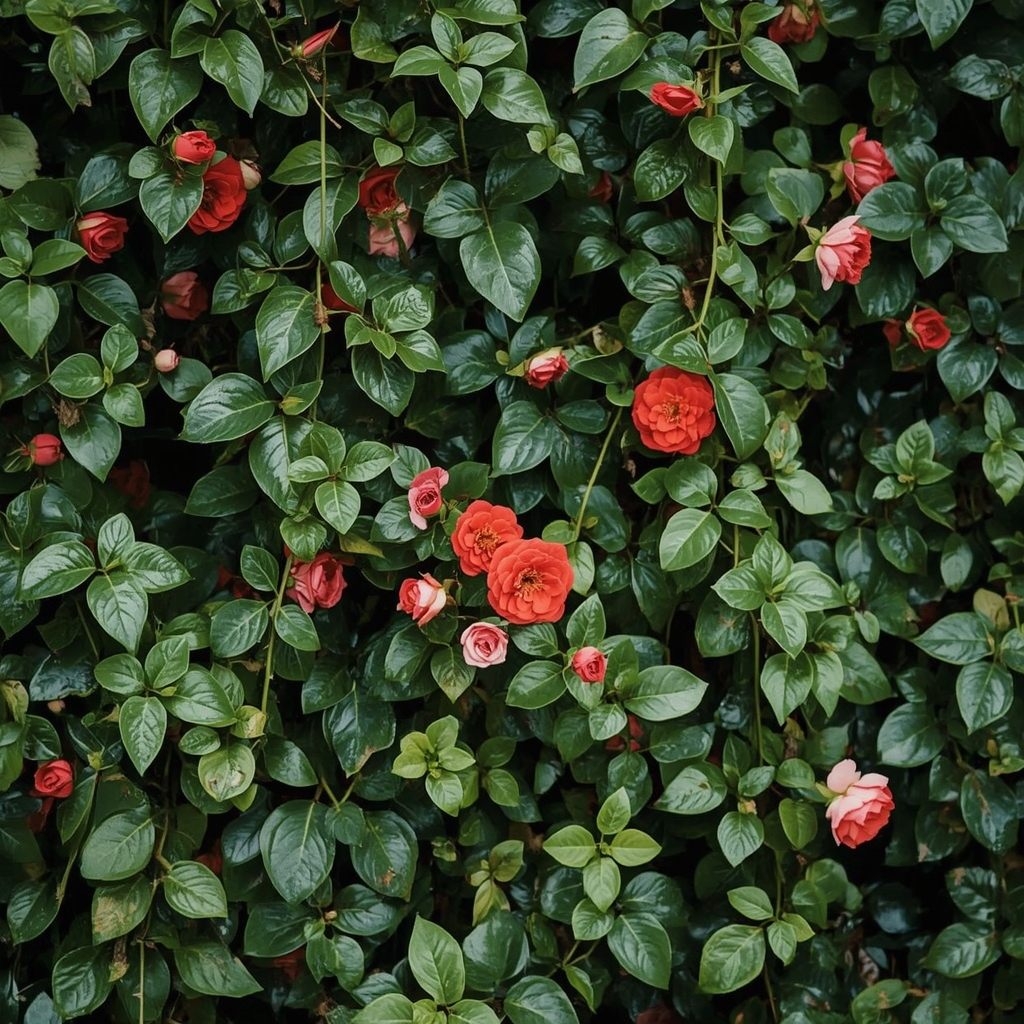
Vertical gardens utilize walls, fences, or towers to grow pollinator-friendly plants in tight spaces. Plants like ivy, jasmine, and climbing roses attract bees and butterflies while optimizing space in urban environments.
These gardens also provide visual interest and help green otherwise bare walls, offering pollinators both nourishment and shelter where traditional garden space is limited.
15. Edible Pollinator Garden
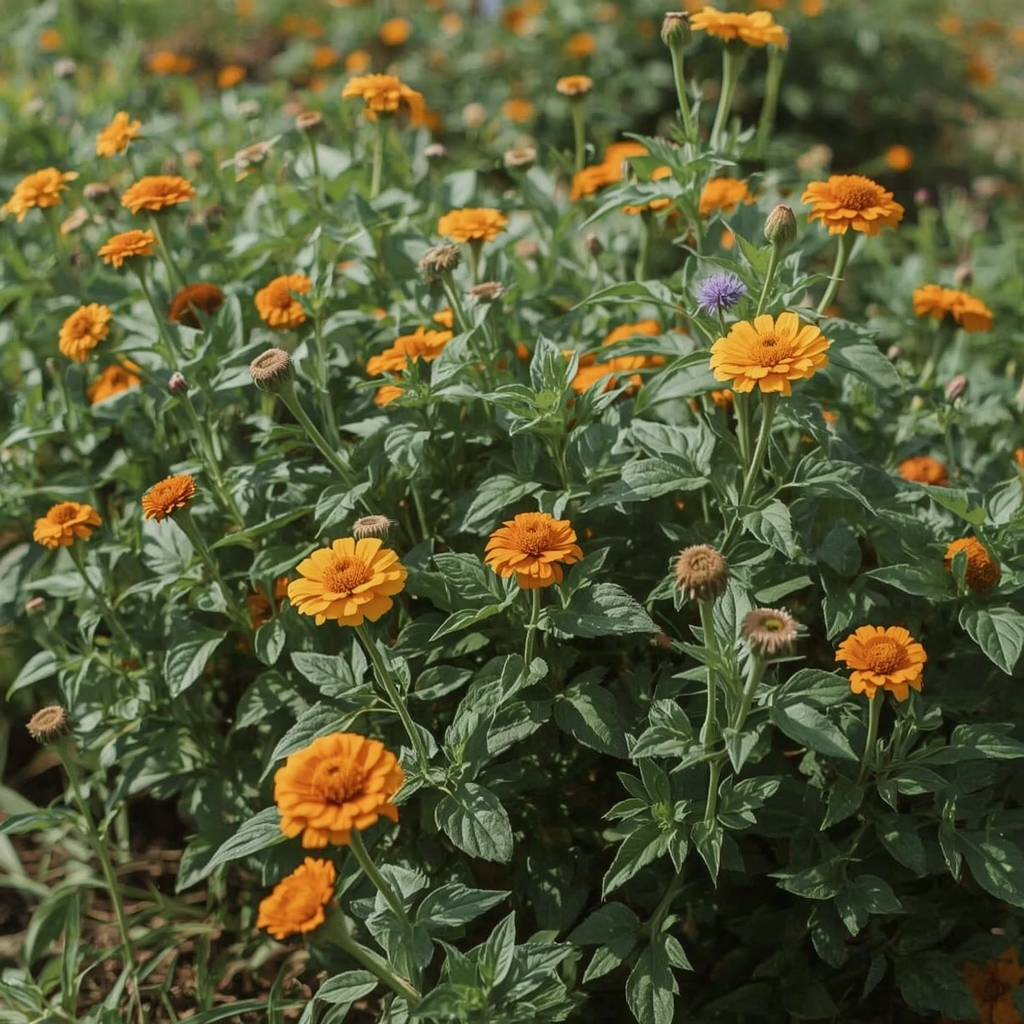
Combining edible plants with pollinator-friendly flowers offers a dual benefit: you support pollinators while producing food. Vegetables and fruits such as squash, tomatoes, berries, and cucumbers rely heavily on pollination for fruit development.
By planting flowers like marigolds, borage, and sunflowers alongside edible crops, you enhance pollinator visits, increase yields, and create a sustainable, productive garden.
16. Pollinator-Friendly Shade Garden
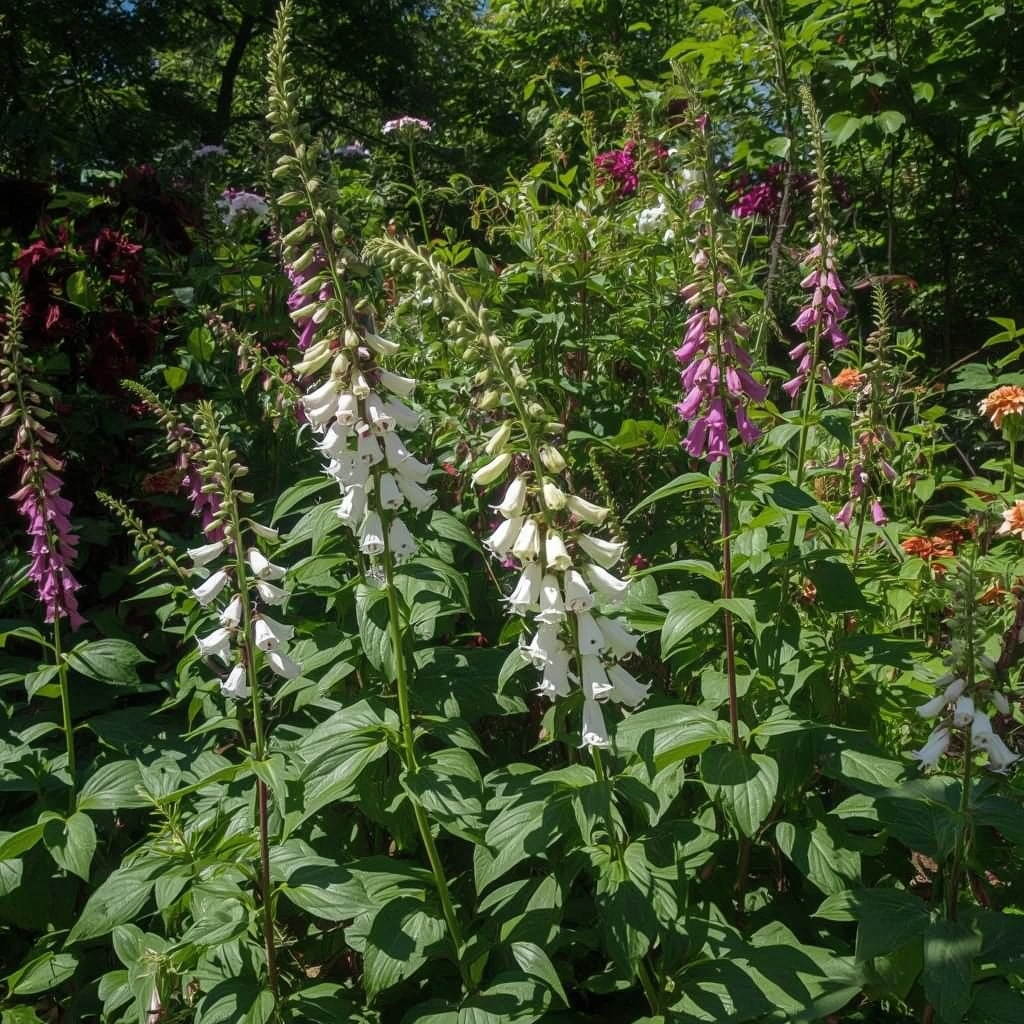
Even shaded areas can support pollinators with the right plant choices. Shade-tolerant plants such as astilbe, hostas, columbine, and foxgloves provide nectar and pollen in areas with limited sunlight.
Including pollinator-friendly plants in shaded corners ensures that every part of your yard contributes to local ecosystems, creating a comprehensive and inclusive habitat.
17. Pollinator Garden with Water Feature
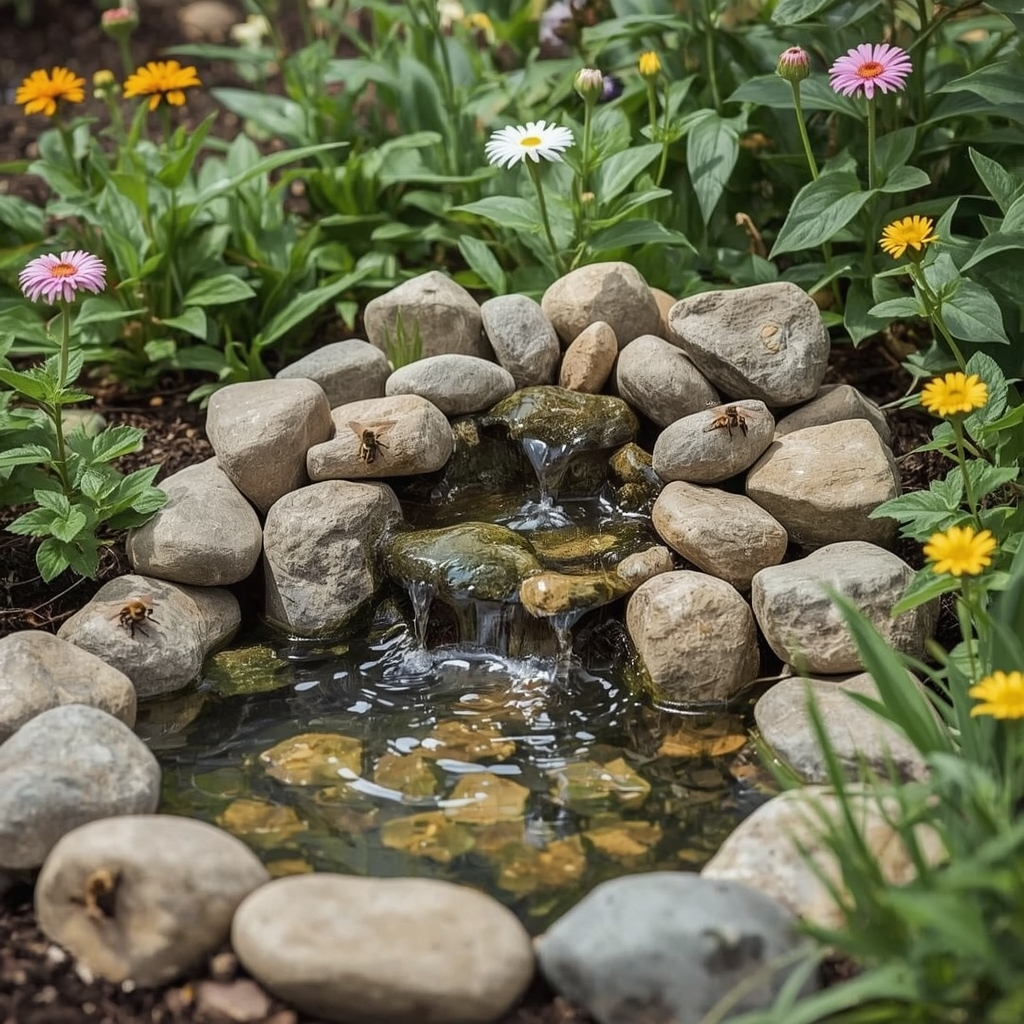
A small pond, birdbath, or water feature can greatly enhance a pollinator garden. Bees, butterflies, and other insects need water for drinking and cooling off, especially during hot weather.
Adding gently sloped edges or stones provides safe landing spots for insects. Pairing water sources with flowering plants ensures that pollinators have access to both hydration and food, creating a balanced and supportive environment.
18. Garden with Night-Blooming Flowers for Nocturnal Pollinators
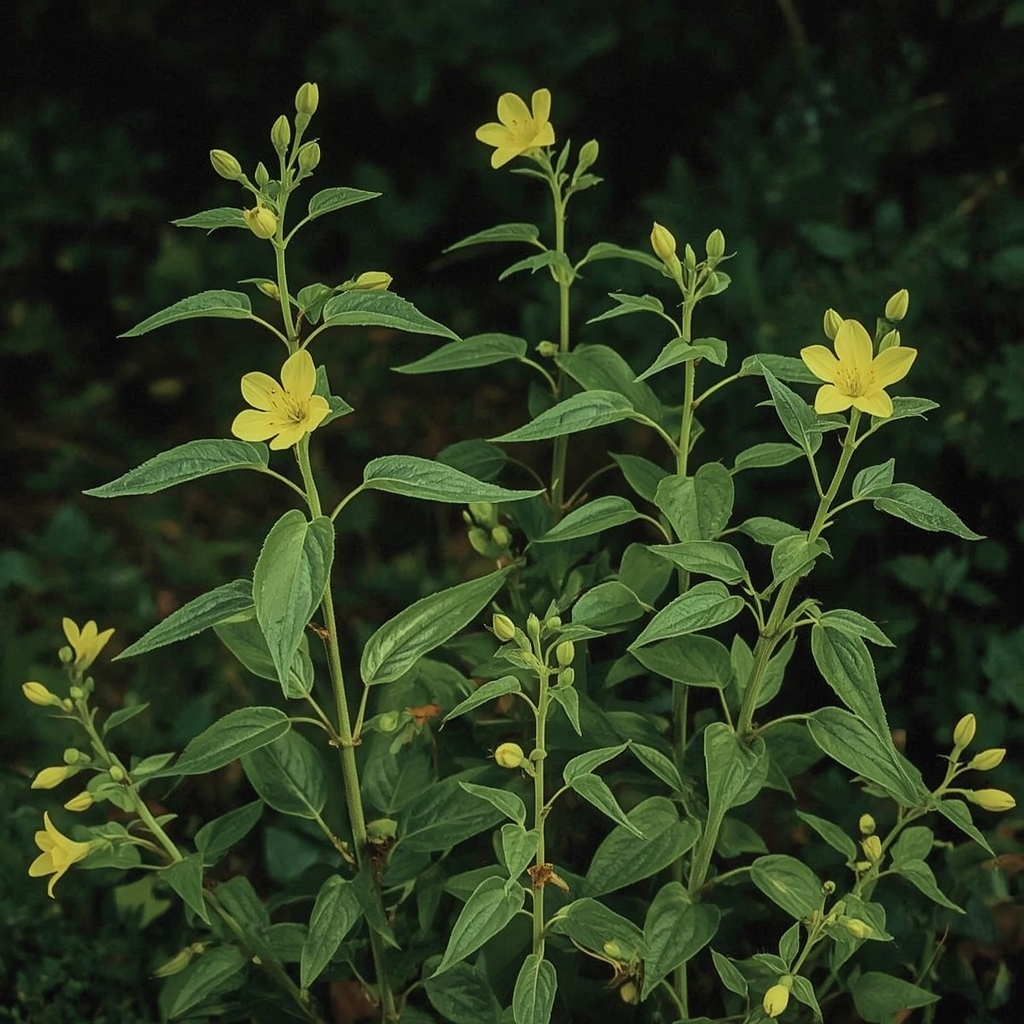
Not all pollinators are active during the day. Night-blooming flowers, such as evening primrose and moonflowers, provide essential nectar to moths and other nocturnal pollinators.
Including these plants ensures a 24-hour pollination cycle in your garden. Night-blooming species can also add unique scents and visual interest to your landscape, enriching both ecological and aesthetic value.
19. Pollinator Garden for Small Spaces
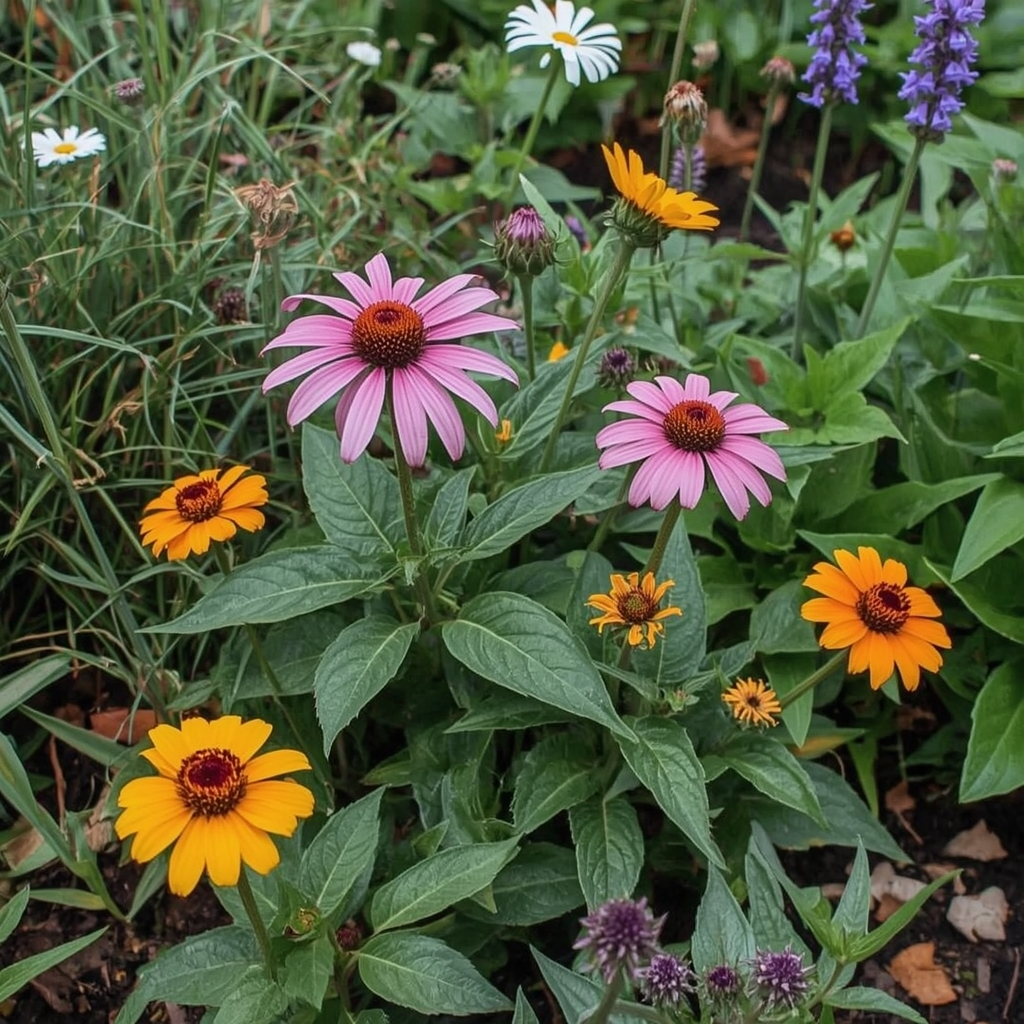
Even small urban gardens or balcony planters can make a difference for pollinators. Compact plants like echinacea, lavender, marigolds, and dwarf sunflowers provide nectar in tight spaces.
Designing a small pollinator garden maximizes biodiversity in limited areas and demonstrates that every available space can contribute to supporting pollinator populations. These gardens are perfect for city dwellers seeking to create a positive environmental impact without needing a large yard.