
Are you looking to begin a new gardening project or renovate your backyard? Regardless of the size of your area, these raised garden bed ideas will help you grow flowers, vegetables, or herbs in style with their imaginative designs and useful advice.
Ever notice something missing from your backyard?
Whether you have a large yard or just a small patio, raised garden bed ideas may completely change any outdoor area.
A few tools and a little imagination may help even novices (hey, I was one last year) create amazing arrangements.
From traditional wood frames to metal boxes or even repurposed items you didn’t realize you had in the garage, there are countless possibilities to experiment with raised bed gardening ideas.
You can very much match your style and budget with modern raised beds, or you can go all out with low-key, low-maintenance options.
There are surprisingly numerous raised garden bed designs available that don’t require expert knowledge.
What Is a Raised Garden Bed?
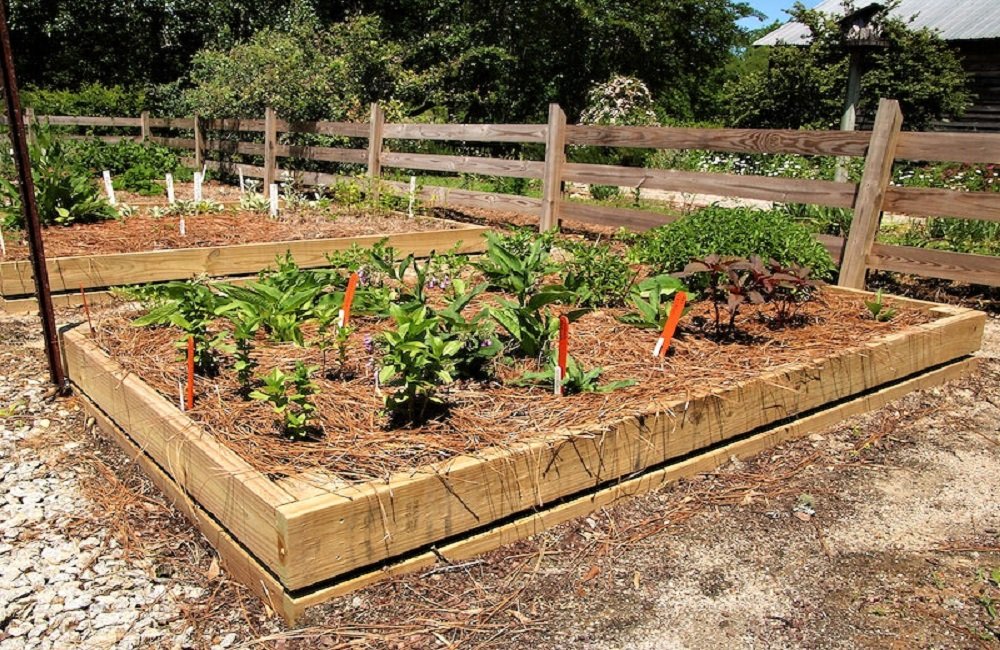
A raised garden bed is essentially a frame or box filled with soil that sits above your regular ground level. These beds can be made from wood, metal, bricks, or even repurposed items like old pallets.
The main advantage of raised beds is that they make gardening more accessible—especially if your soil is rocky, clay-heavy, or compacted. By filling the bed with quality soil, you avoid a lot of the digging and hard work associated with traditional gardening.
Raised beds come in many shapes and heights:
| Type | Typical Height | Materials | Best For |
| Classic Wood Box | 6″–24″ | Cedar, pine, redwood | Vegetables, herbs, flowers |
| Metal Frame | 12″–24″ | Corrugated steel, tin | Modern, sleek gardens |
| Stone or Brick | 10″–30″ | Brick, natural stone | Durable, permanent setups |
| Upcycled Pallets | 6″–18″ | Old pallets, scrap wood | Budget-friendly DIY projects |
Raised garden beds don’t have to be rectangular—you can get creative with hexagons, triangles, or even circular designs. Some designs even double as benches, combining functionality with style.
Wooden Raised Beds
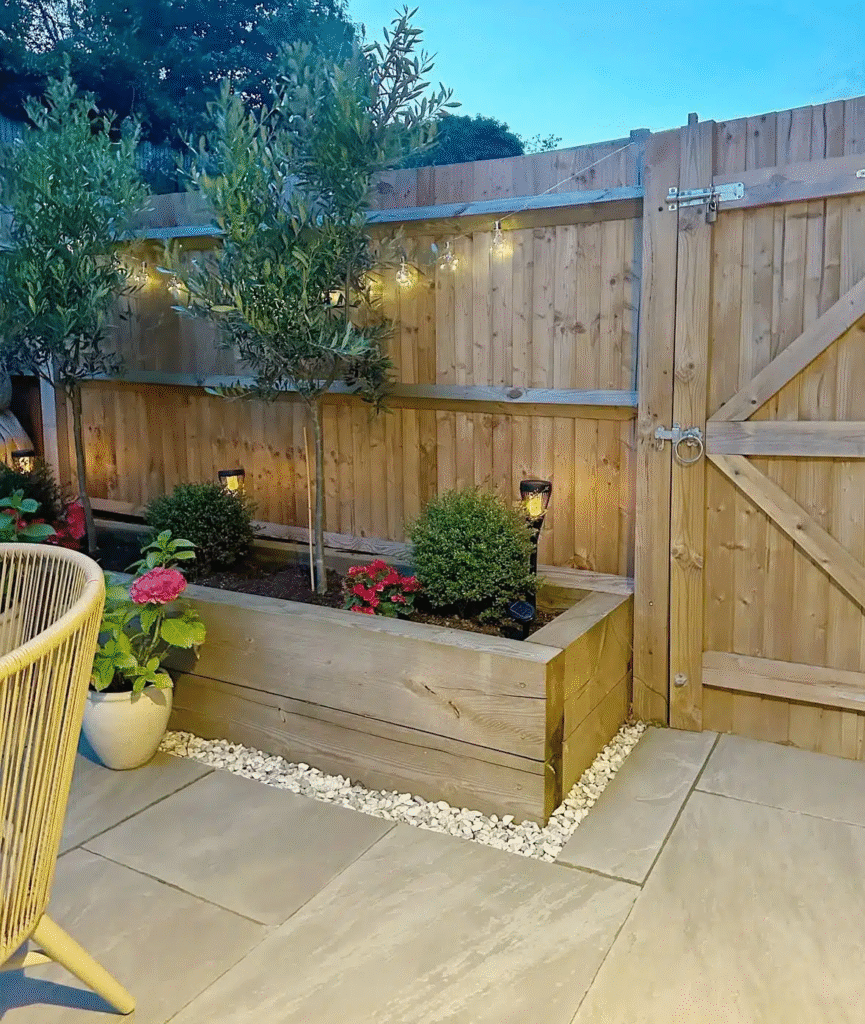
Wood is a classic choice for raised beds. Cedar is popular because it’s naturally resistant to bugs and rotting, making it a long-lasting option. Redwood is also durable but comes at a higher price point.
Pine is budget-friendly, though it won’t last as long. Avoid pressure-treated wood for edible gardens, as chemicals may leach into your soil.
Cedar remains a top pick for DIY raised garden projects because it’s easy to work with, looks natural, and lasts for years.
Metal Raised Beds
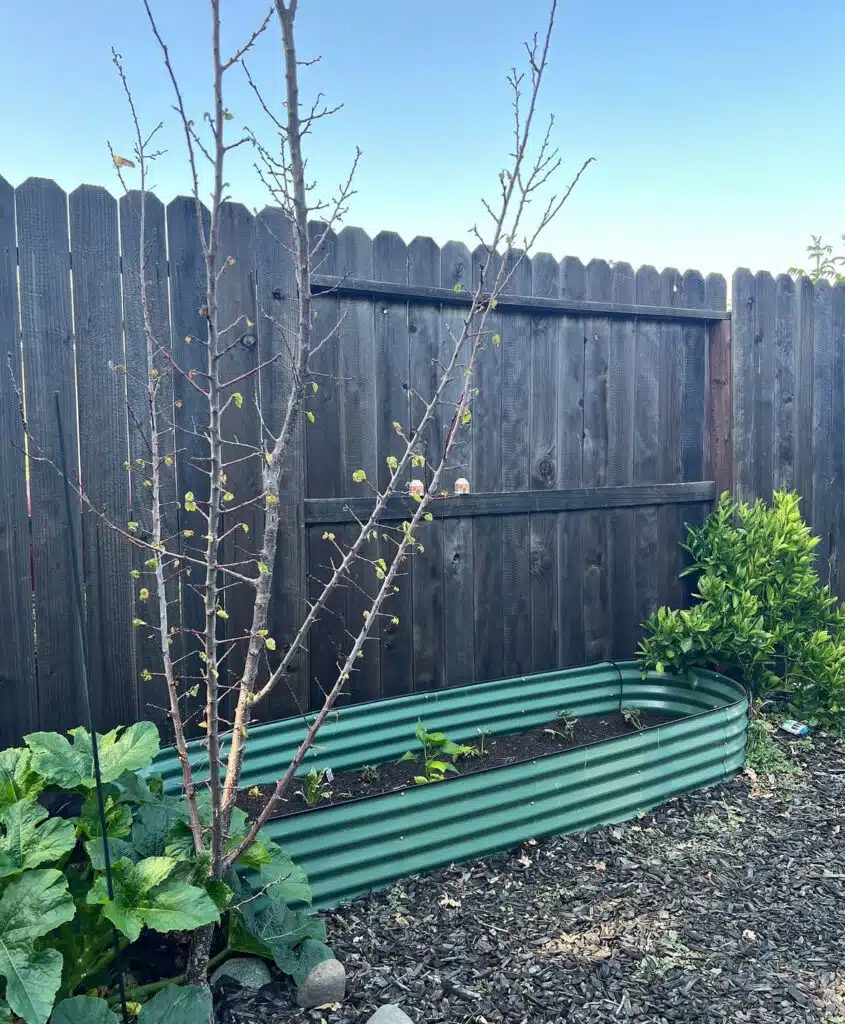
Metal raised beds are becoming increasingly popular, especially for modern or urban gardens. Corrugated steel paired with wood creates a stylish, long-lasting structure.
One thing to keep in mind: metal can get hot in direct sunlight, so position these beds where plants will still receive some shade. Despite this, they’re sturdy, low-maintenance, and ideal for taller crops or urban garden setups.
Block and Brick Designs
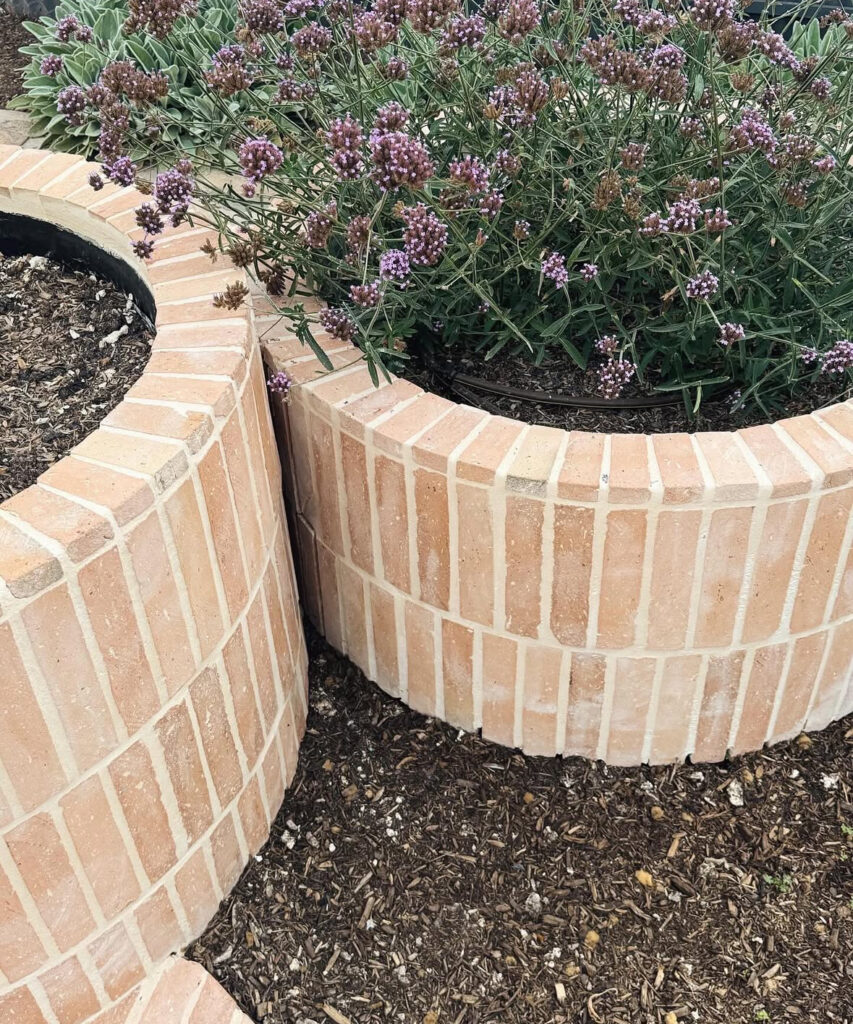
Using bricks or concrete blocks creates durable, permanent raised beds. Cinder blocks can be stacked and filled with herbs or flowers, while red bricks offer a classic, neat border.
These materials are heavy, making the beds very stable. They’re excellent for permanent installations and can also be shaped into curves, lines, or custom patterns for a unique garden aesthetic.
Upcycled and Creative Materials
Upcycled materials allow for fun, unique raised bed designs. Old tires, bathtubs, wine crates, or dressers can all hold soil and provide drainage for plants.
Painted tires can create colorful circular beds, while wine crates or old pallets can be turned into rustic DIY beds. Upcycled beds are ideal for small spaces and sustainable gardening, but avoid materials that may contain harmful chemicals if you’re growing edibles.
Step-by-Step Guide: How to Build a Raised Garden Bed
Rectangular beds are the easiest to start with. Line the bottom with mulch or landscape fabric to retain moisture and reduce weeds.
For beginners, cinder blocks or pre-cut wood boards make construction simple. Even old wine crates or dresser drawers can become charming raised beds with minimal effort.
Vertical gardening options, like wall-mounted pallets, also work well for small spaces and allow you to grow more plants in less area.
Budget-Friendly Raised Bed Projects
You don’t need to spend a fortune. Look for pallets, reclaimed bricks, or concrete blocks from thrift stores or local listings. Just ensure the wood isn’t chemically treated.
These low-cost options are perfect for rustic backyard gardens and allow you to create functional, attractive beds without breaking the bank.
Balcony and Patio Raised Beds
Small spaces deserve garden attention too. Fabric grow bags, mini planters on casters, and galvanized tubs are all excellent options.
| Material | Best For | Why Use It |
| Fabric grow bags | Herbs, salad greens | Lightweight, portable |
| Galvanized tubs | Larger vegetables, flowers | Sturdy, stylish |
| Wooden crates | Mixed small plants | Easy upcycling |
| Vertical planters | Herbs, tiny greens | Space-saving |
Tiered Raised Beds
Tiered beds are perfect for maximizing space in small yards or on slopes. Each layer sits above the next, creating steps for your plants.
This method allows for efficient watering (water from the top layer can trickle down), more planting options, and visually interesting garden layouts.
Triangular Raised Beds
Triangular beds are a clever way to use tight or awkward spaces. They work well in corners, near fences, or around patios. Using triangles instead of rectangles maximizes growing space while adding geometric interest to your garden.
Square Foot Gardening Layouts
Divide your raised bed into a grid using string or wooden strips. Each square becomes a mini-plot, perfect for growing a variety of vegetables, herbs, and flowers.
This method conserves seeds, simplifies watering, and helps organize planting, making gardening less overwhelming.
Vertical Garden Beds
Vertical gardening is ideal for limited outdoor spaces. Stack plants using shelves, wall-mounted planters, or trellises.
Climbing crops like tomatoes, peas, or beans can grow upward, saving space while improving airflow and sunlight exposure.
DIY vertical beds using pallets or scrap wood are budget-friendly and visually appealing. Self-watering systems can also simplify maintenance.
Raised Planter Boxes for Small Spaces
Raised planter boxes fit on patios, stoops, or sunny spots indoors. Benefits include:
- Easy access without bending
- Mobility to follow the sun or avoid frost
- Flexibility for mixed plantings (herbs, flowers, veggies)
- Options for trellises or pest protection
Herb Garden Inspiration
Raised herb gardens make growing basil, mint, or parsley effortless. Grid or spiral layouts save space, and good drainage is essential. These beds attract pollinators and make fresh herbs easily accessible.
Vegetable Gardens for Raised Beds
Raised beds are ideal for vegetables, providing controlled soil quality, improved drainage, and faster warming in spring.
Trellises, crop rotation, and companion planting improve yields and reduce pests. Even small beds can grow a surprising variety of crops.
Raised Beds for Flowers
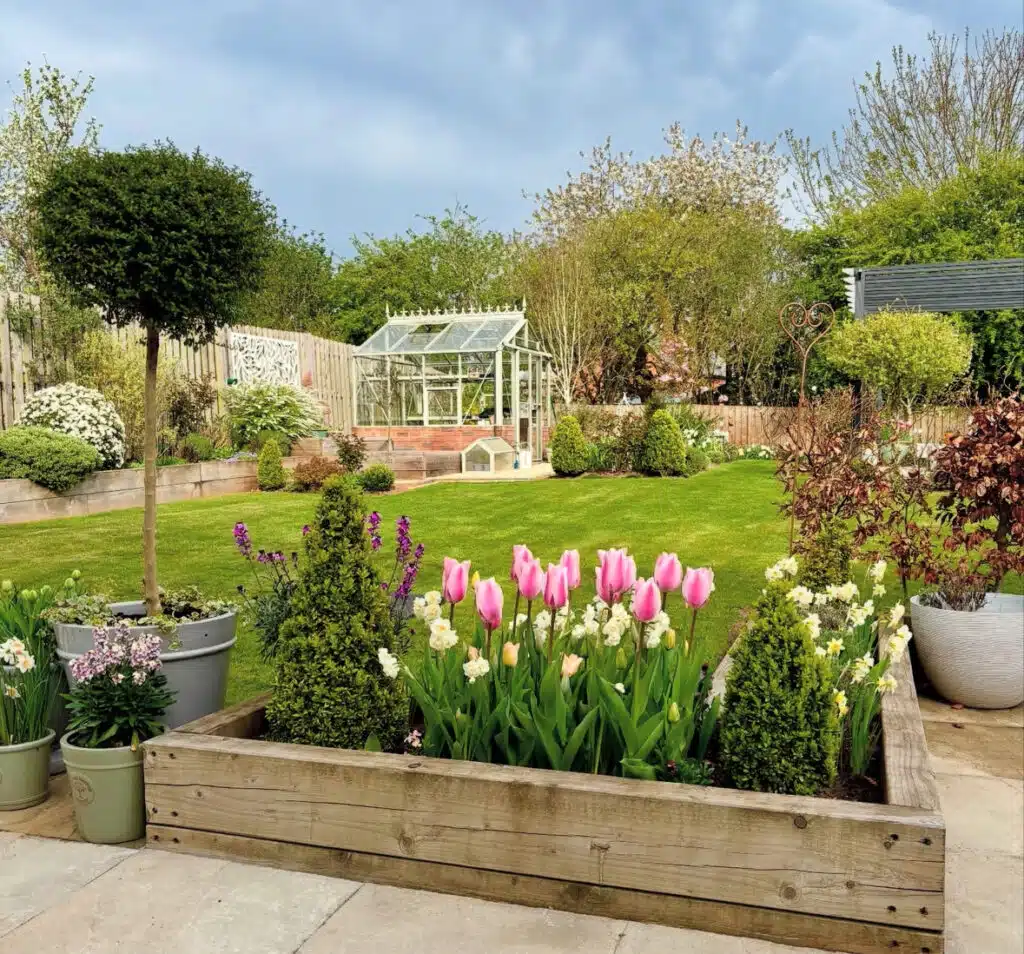
Raised flower beds reduce bending and kneeling while showcasing colorful plants. Mix perennials, annuals, and bulbs, or try creative layouts like curves or zig-zags. Taller plants in the back and trailing flowers in front create depth and visual interest.
Best Crops for Raised Garden Beds
Some of the easiest and most productive crops for raised beds include:
- Vegetables: Tomatoes, peppers, lettuce, carrots
- Herbs: Basil, parsley, oregano
- Flowers: Marigolds, nasturtiums, zinnias
These plants thrive in loose, nutrient-rich soil and are ideal for beginner gardeners.
Growing Climbing and Vining Plants
Climbing plants maximize vertical space. Use trellises or posts for beans, cucumbers, and peas. Vines help shade soil and retain moisture while adding visual appeal.
Companion Planting Tips
Companion planting encourages crops that support each other. Examples include:
- Basil with tomatoes for better flavor and pest resistance
- Marigolds to deter bugs
- Herbs like dill or chives to attract pollinators
Crop Rotation in Raised Beds
Rotate plant families each season to reduce disease and maintain soil health. For instance, avoid planting peppers after tomatoes; switch to leafy greens or root vegetables instead.
Greenhouse Integration
Adding a greenhouse or hoop cover extends the growing season. Small pop-up greenhouses, PVC tunnels, or plastic domes protect plants from frost and allow early planting of tomatoes, herbs, and greens.
Personalizing Your Raised Garden
Raised beds aren’t just functional—they can be beautiful.
- Shapes: L-shaped, rectangular, tiered
- Materials: Cedar, pine, pallets, cinder blocks
- Style: Paint them, mix materials, add decorative touches
- Planting: Mix flowers, herbs, and vegetables for visual variety
Art and Color
Incorporate style with paint, mosaic stones, solar lanterns, or trellises. Plants like purple basil or rainbow chard add color, while stacked or tiered planters make small spaces pop.
Benefits of Raised Beds
- Better drainage and soil control
- Easier on back and knees
- Faster soil warming in spring
- Supports organic gardening and weed control
- Ideal for herbs, vegetables, and flowers
Frequently Asked Questions
Best Material: Cedar is durable and naturally resistant to rot; redwood is strong but pricey; cinder blocks or pallets work for budget-friendly options.
Optimal Depth: 8–12 inches for most plants; 12–18 inches for deeper-rooted vegetables.
Good Starter Plants: Basil, parsley, oregano, lettuce, spinach, radishes, beans, peppers, marigolds, zinnias.
Pest & Weed Protection: Line the bottom with newspaper or cardboard, mulch the top, and use barriers like row covers or netting to deter pests.