
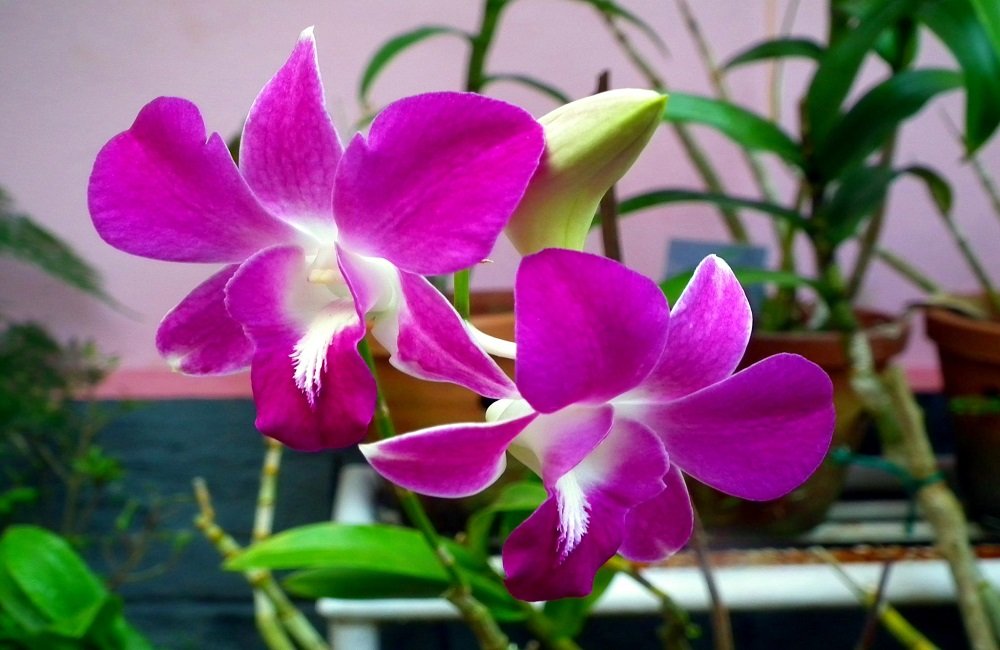
Your tropical orchid is spectacular when it is content and healthy. With its gorgeous blossoms and lush green foliage, it frequently makes a stunning focal point for interior gardens. However, stress can soon cause your orchid to lose its beauty and turn yellow, withered, or sick.
It might be concerning if your orchid’s look suddenly changes. It can also make you question whether it’s too late to preserve your beloved houseplant.
The good news is that a wilting orchid may be saved if you take immediate action. Let’s examine in more detail how to put a dead orchid back to life so you can once again appreciate its unmatched beauty.
Refresh Your Orchid’s Home With a Clean Pot
Orchids decline quickly when their roots sit in decomposed or consistently wet potting material. Moving the plant into a clean pot provides better airflow and gives damaged roots a chance to dry and heal.
Gently release the orchid from its original container using your fingers, then loosen the roots to remove any clinging, old mix. Trim away soft, mushy, or darkened roots—these are often signs of rot. Removing them encourages healthier roots to replace the damaged ones.
Choose a pot with multiple drainage holes and one that fits the roots comfortably. A pot that’s too large can hold excess moisture, while a pot that’s too small can cause the orchid to become root-bound.
Tip: If roots are growing out of the pot or through drainage holes, it’s a clear indication that repotting is needed.
Provide Fresh, Well-Draining Orchid Mix
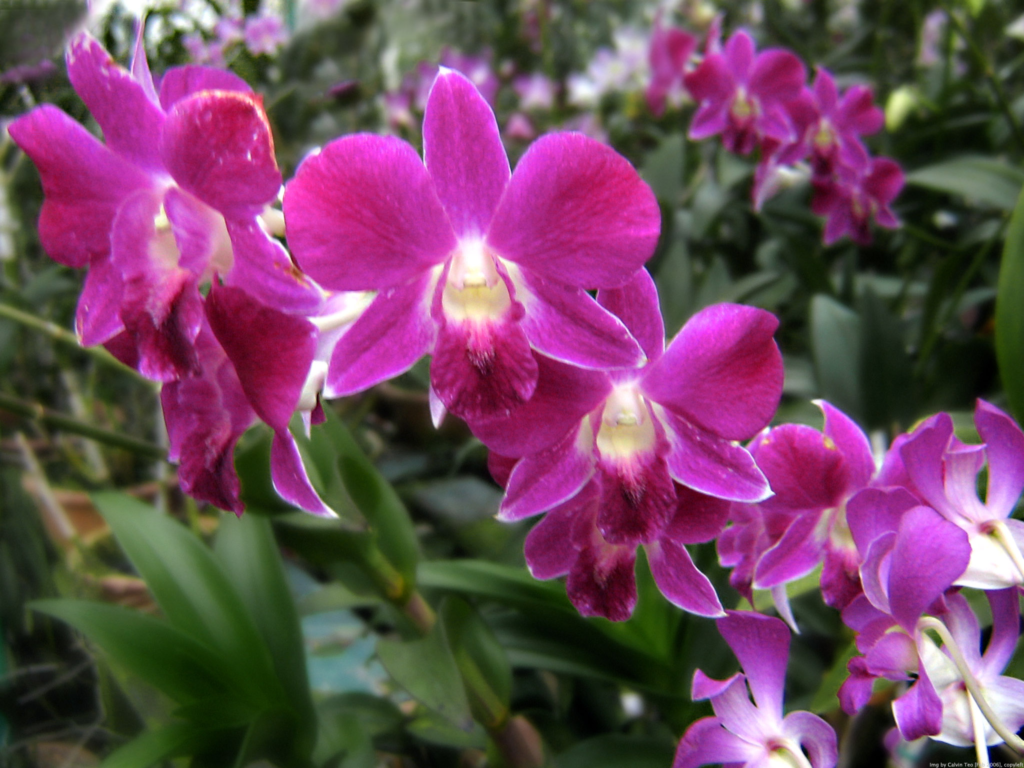
Healthy orchids rely on a fresh, airy growing medium. Most tropical orchids require a loose, fast-draining mix—often made of bark, sphagnum moss, or other chunky organic materials—rather than traditional soil. Regular garden soil holds too much moisture and can suffocate the roots.
It’s a good practice to refresh the potting mix annually to replace decomposed material and restore nutrients.
Tip: After refreshing the mix, setting your orchid on a humidity tray can help maintain ideal moisture levels around the plant without waterlogging the roots.
Prune the Stems to Encourage New Growth
Proper trimming helps orchids redirect energy into producing new, healthy spikes and blooms. Always prune after the flowers have fallen—never while the plant is actively blooming.
Use clean, sharp, sterilized shears and protective gloves. Trim back weak or discolored stems, especially those that look yellow or brown. Make your cut about ¼ inch above a growth node to support quicker regrowth.
Tip: Some orchids produce a single spike, while others grow multiple. Knowing your orchid type helps you determine which stems should remain.
Ensure Your Orchid Receives Consistent, Indirect Light
Light quality plays a major role in overall orchid health. Most common tropical varieties thrive in bright, indirect sunlight. A south-facing room often provides ideal lighting conditions, especially when paired with a sheer curtain to soften direct rays.
Avoid exposing orchids to harsh outdoor sunlight or extremely dry conditions, as these can lead to leaf scorch or dehydration.
Tip: Leaf color is a helpful indicator.
• Light or medium green leaves generally mean the lighting is appropriate.
• Deep green leaves may signal insufficient light.
• Reddish or sun-bleached leaves often indicate too much light.
Support Growth With a Gentle Orchid Fertilizer
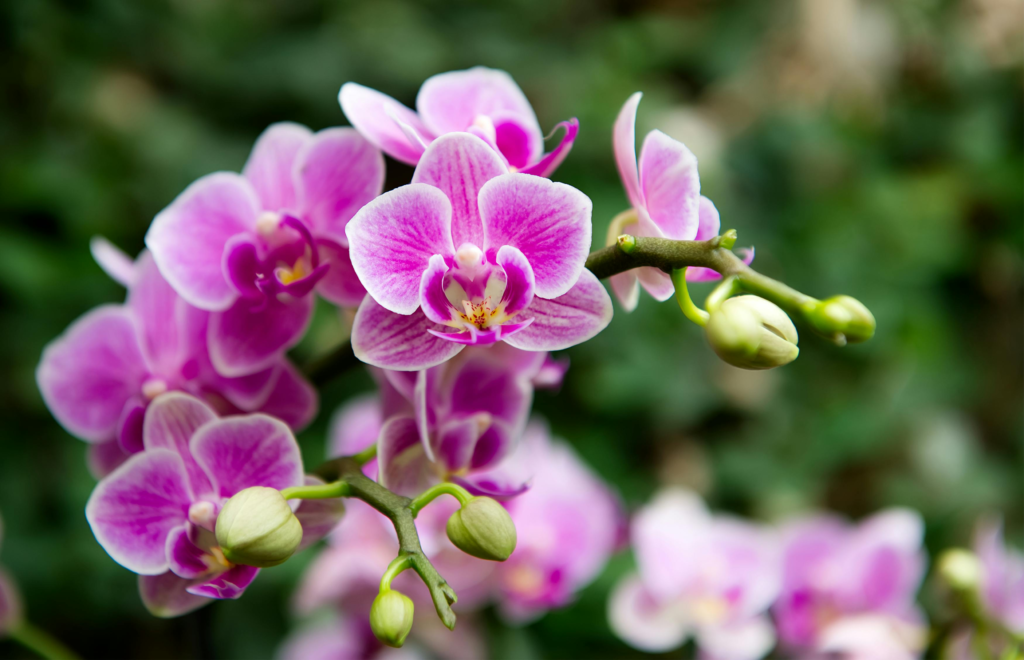
A mild, balanced fertilizer helps supply the nutrients an orchid needs to produce blooms and maintain strong foliage. Look for a formula designed specifically for orchids and avoid over-fertilizing, which can lead to root burn.
Applying a diluted fertilizer as part of your normal watering routine can help your plant regain strength steadily over time.
Quick Summary: Bringing Your Orchid Back to Life
Here’s a simple overview of the essential steps:
- Move the orchid into a clean pot that allows for good airflow and drainage.
- Refresh the potting mix with a loose, well-draining medium formulated for orchids.
- Trim back old or weakened stems with sterilized shears.
- Place the orchid in a bright area with indirect sunlight, preferably in a south-facing room.
- Use a gentle orchid fertilizer to support healthy regrowth.