
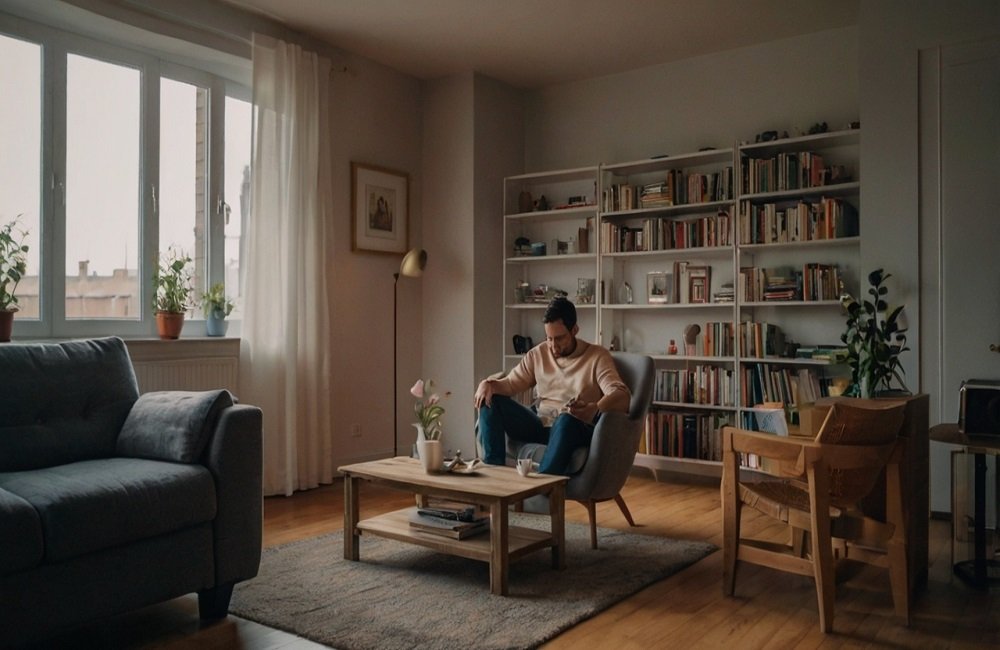
Living alone is often painted as the ultimate symbol of independence. It’s the dream of having your own space, your own rules, and total freedom to live life exactly the way you want. No compromises over what to watch, no negotiating fridge space, and no one judging your sleep schedule. From the outside, it sounds peaceful, empowering, and even a little glamorous. And in many ways, it truly is.
But what rarely gets talked about are the quiet, unexpected realities that come with living alone. The kind of things you only discover once the door closes behind you and it’s just you and your thoughts. Living alone isn’t just a change in address—it’s a shift in routine, mindset, and responsibility. It can bring moments of deep comfort and self-discovery, but it can also surface feelings of loneliness, vulnerability, and growth that no one really prepares you for.
For some, living alone is a long-term lifestyle choice. For others, it’s a temporary chapter between shared spaces and new beginnings. No matter how long it lasts, it has a way of teaching you things about yourself that you might never learn otherwise. You begin to notice how you handle silence, how you manage your time, and how you care for yourself when no one else is around to step in.
This article isn’t meant to discourage you from living alone, nor is it meant to romanticize it. Instead, it offers an honest look at the realities that often go unmentioned—the small adjustments, emotional shifts, and practical lessons that come with having a place entirely to yourself. Whether you’re already living alone or just considering it, these are the things no one ever tells you, but almost everyone experiences.
The Silence Can Be Deafening
When you first move into your own place, the quiet can feel refreshing. There’s no background noise from conversations, TVs, or shared routines, and for many people, that calm feels like freedom. However, once the novelty wears off, the silence can start to feel heavy. Coming home to an empty apartment every day can make the space feel larger and lonelier than expected, especially during evenings or weekends.
This experience is very common and doesn’t necessarily mean you made the wrong choice. Humans are social by nature, and sudden quiet can amplify thoughts and emotions you might not usually notice. To counter this, it helps to create gentle background noise—music, podcasts, or even a TV on low volume can make a home feel more alive. Staying engaged with hobbies, inviting friends over, or spending time outside the house can also make the silence feel less overwhelming. Over time, many people learn to strike a balance between enjoying quiet moments and staying socially connected.
You Will Have to Do Everything Yourself
One of the biggest adjustments when living alone is realizing that every task now falls on you. There’s no one else to split chores, remind you about bills, or handle household issues. From cleaning and cooking to managing paperwork and scheduling repairs, the responsibility can feel endless at first.
While this can be stressful, it’s also one of the most valuable aspects of living alone. You quickly learn time management, organization, and problem-solving skills. Creating routines—such as designated cleaning days or bill-paying reminders—can make daily life more manageable. Over time, these responsibilities become second nature, and the confidence that comes from handling everything yourself can be incredibly empowering.
Your Social Life May Change
Living alone often reshapes how you approach your social life. Without roommates or family members at home, social interaction no longer happens automatically. You may notice that if you don’t actively plan outings or reach out to friends, days can pass without meaningful interaction.
This shift can be challenging, but it also encourages intentional relationships. You become more selective and thoughtful about who you spend time with. Living alone can push you to explore new social circles, join clubs, attend events, or reconnect with old friends. While it may require more effort, many people find that their relationships become deeper and more fulfilling as a result.
You Will Learn a Lot About Yourself
Living alone creates space for self-reflection that isn’t always possible in shared living situations. Without constant input from others, you’re free to follow your own routines, preferences, and habits. This independence can feel liberating, but it can also be uncomfortable at times, especially when you’re faced with your own thoughts and emotions.
Over time, you may discover things about yourself you never noticed before—how you handle stress, what truly relaxes you, or what kind of environment makes you feel most at ease. You might develop new interests or realize that some old habits no longer serve you. This period of self-discovery can be transformative, helping you grow emotionally and mentally.
It Can Be Expensive
One of the most practical challenges of living alone is the cost. When you’re no longer splitting rent, utilities, internet, and groceries, expenses can increase significantly. Unexpected costs—like repairs or medical bills—can feel even more stressful when you’re the only one responsible for them.
Budgeting becomes essential. Tracking your spending, setting savings goals, and planning for emergencies can help you stay financially stable. Many people learn to cook more at home, limit unnecessary purchases, or choose smaller living spaces to manage costs. While living alone can be expensive, it often teaches strong financial discipline that pays off in the long run.
Safety Becomes a Priority
When you live alone, safety and security take on new importance. There’s no one else at home to notice unusual activity or help in an emergency, which can feel intimidating at first. Being proactive about safety can make a big difference in your peace of mind.
Simple steps like locking doors and windows, using good lighting, and getting to know your neighbors can increase your sense of security. Some people also choose to install security systems or cameras for added reassurance. Trusting your instincts and staying aware of your surroundings helps you feel more confident and in control of your living situation.
You Will Appreciate Alone Time
Living alone often changes how you view solitude. At first, it may feel lonely, but over time many people come to value having uninterrupted personal space. Alone time allows you to rest, recharge, and focus on your mental and emotional well-being without distractions.
You can create routines that support self-care, such as quiet mornings, evening wind-down rituals, or dedicated time for hobbies. Instead of seeing solitude as a negative, it becomes a source of balance. Learning to enjoy your own company is one of the most rewarding outcomes of living alone.

You Become More Organized and Self-Disciplined
When no one else shares your space, the state of your home reflects your habits directly. If things are messy, there’s no one else to blame—and no one else to clean up. This often leads people to become more organized and disciplined over time.
Living alone encourages you to develop systems that work for you, whether that’s keeping a planner, setting reminders, or creating storage solutions. You start to notice how your environment affects your mood and productivity. A clean, organized space can make daily life smoother and reduce stress, reinforcing positive habits.
Your Emotional Resilience Improves
Living alone can test your emotional strength in ways shared living does not. There’s no immediate support system at home during difficult moments, which can feel challenging at first. However, this experience often builds resilience and emotional independence.
You learn how to comfort yourself, solve problems independently, and manage difficult emotions without relying on others. This doesn’t mean you stop asking for help—it means you gain confidence in your ability to cope. Over time, many people find they feel more emotionally stable and capable because of this growth.
You Gain Full Control Over Your Space
One of the most underrated benefits of living alone is complete control over your environment. You decide how the space looks, smells, sounds, and functions. There are no compromises over decor, cleanliness standards, or daily routines.
This freedom allows you to design a home that truly supports your lifestyle. Whether that means minimalist decor, bold colors, or a specific daily rhythm, your space becomes an extension of yourself. Having full control can increase comfort, creativity, and overall satisfaction with your living situation.
Living alone is a major life transition that comes with both challenges and rewards. While it can feel lonely, expensive, or overwhelming at times, it also offers unmatched opportunities for growth, independence, and self-awareness. For many people, it becomes one of the most formative and empowering experiences of adulthood.