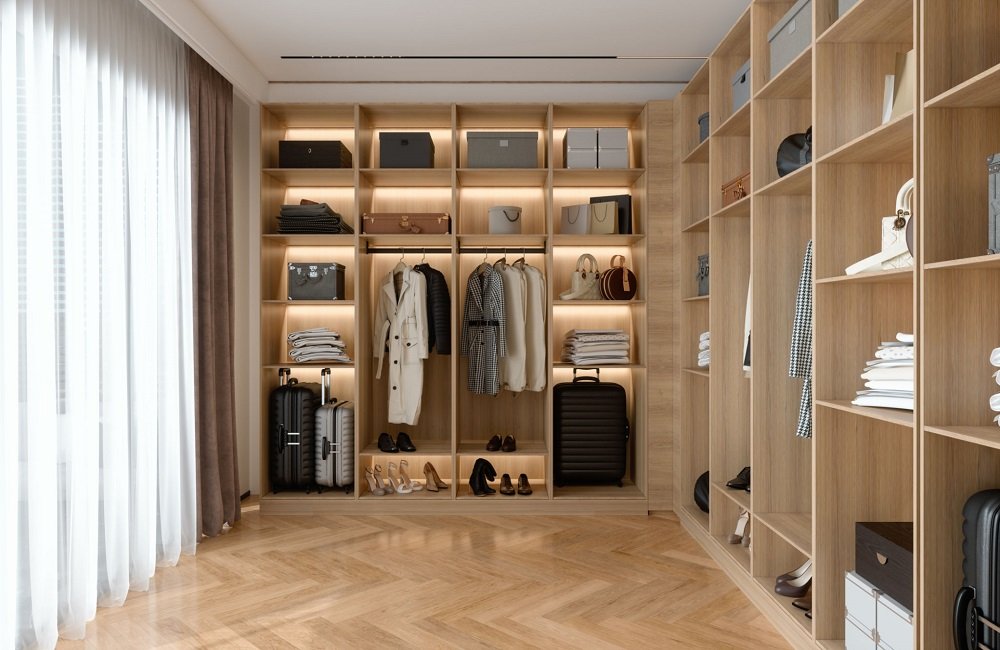
Simplify your closet and elevate your style with these 13 things your wardrobe doesn’t need. From outdated trends to pieces that rarely get worn, this guide helps you declutter and focus on versatile, timeless items that truly matter.
Perfect for anyone looking to streamline their wardrobe, save space, and make getting dressed easier and more stylish every day.
1. Clothes You Haven’t Worn in a Year
A helpful guideline is the 6/6 rule: if you haven’t worn an item in the past six months and don’t see yourself wearing it in the next six, it’s probably time to part with it. This rule allows for seasonal changes, so you can keep thinner items for summer and heavier pieces for winter without hoarding things you won’t use. Decluttering in this way keeps your wardrobe manageable and makes it easier to find clothes you actually love and wear regularly.
2. Duplicate Items
Having multiples of the same item can clutter your wardrobe and make decision-making harder. Often, you’ll gravitate toward one or two favorites, while the rest sit untouched. Take a good look at your duplicates, such as T-shirts or jeans, and ask yourself whether you truly wear them all. Removing unnecessary copies can free up space, reduce visual clutter, and make your wardrobe feel more intentional.
3. Clothes That Don’t Fit
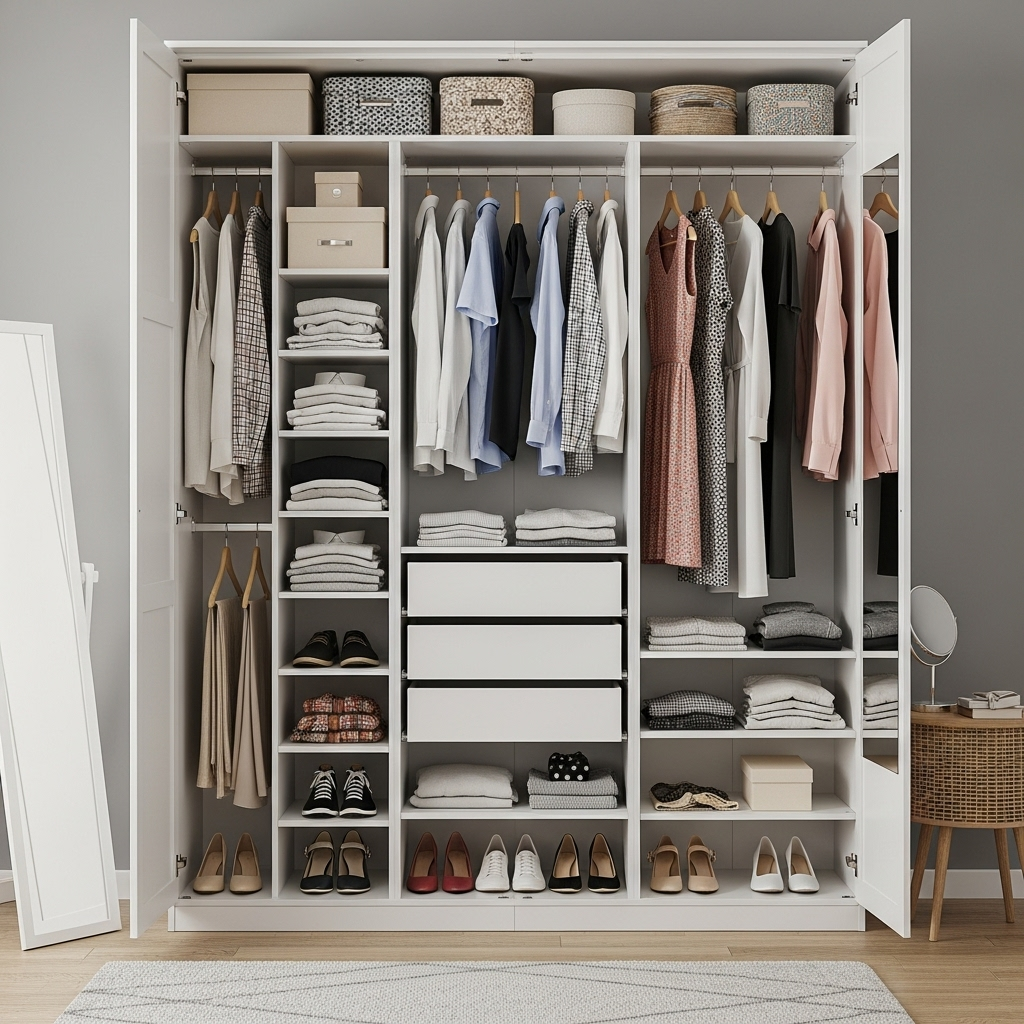
It’s common to hold onto clothes that no longer fit, especially after major life changes like pregnancy, weight fluctuation, or growth spurts. But keeping ill-fitting clothes can affect your self-esteem and make your wardrobe feel overwhelming. Consider donating or selling these pieces, or placing them in a separate “decide later” box if you’re unsure. Out of sight often makes it easier to focus on clothes that actually fit and make you feel confident.
4. Trendy Pieces You Don’t Love
It’s easy to get caught up in trends, especially when an item looks great on social media or in stores. However, if a trendy piece doesn’t match your personal style or you rarely wear it, it’s just taking up space. Focus on keeping items that make you feel comfortable and authentic. Your wardrobe should reflect your tastes and lifestyle, not fleeting fashion trends.
5. Shoes That Hurt Your Feet
Comfort is key, particularly if you’re constantly on the go. Shoes that pinch, rub, or cause blisters should be removed from your wardrobe. Uncomfortable footwear can negatively affect your posture, mood, and energy levels. Prioritize shoes that support your lifestyle, allowing you to move freely and comfortably every day.
6. Sentimental Items
While it’s natural to keep a few clothing pieces for sentimental reasons, it’s important to limit how many occupy your everyday wardrobe. Storing special items in a memory box or a dedicated container allows you to preserve the memories without cluttering your daily clothing choices. Your everyday wardrobe should be full of pieces you enjoy wearing and that make getting dressed simple and stress-free.
7. Fabrics That Are Inconvenient
Some fabrics require extra care, like dry cleaning, hand washing, or delicate handling. If your current lifestyle doesn’t allow time for this, it’s practical to declutter such items. Consider whether you can realistically maintain these pieces. Simplifying your wardrobe to fabrics that are easy to care for reduces stress and ensures your clothing always looks its best with minimal effort.
8. Worn-Out Clothes
Clothes that are stretched out, have holes, or are otherwise damaged should be removed. Keeping worn-out pieces for loungewear or sleepwear is often unnecessary if you already have enough. Letting go of these items frees up space for better-quality clothing, making your wardrobe feel fresher, cleaner, and more organized.

9. Clothes With Tags Still On
If an item has been sitting in your wardrobe with tags attached for months, it’s likely not something you’ll wear. Selling or donating these pieces is a good idea. Holding onto them only takes up space, while someone else could appreciate and use them. It also encourages you to focus on clothes that truly bring you joy and suit your lifestyle.
10. Formal Wear You Rarely Use
If you have formal outfits you almost never wear, consider whether they are worth keeping in your main wardrobe. Many people keep special occasion clothes “just in case,” but storing them separately or donating items you won’t realistically use can declutter your wardrobe and make your everyday clothing choices simpler. Keep only what you truly need for events you actually attend.
11. Items That Don’t Match Your Lifestyle
Clothes that don’t align with your current lifestyle—like outfits that aren’t practical for daily activities—should be removed. For example, if you spend a lot of time at home, running errands, or playing with children, fancy or delicate items might not be realistic. Your wardrobe should reflect how you live now, making it functional, comfortable, and easy to navigate.
12. Gifts You Never Wore
Sometimes, gifts don’t align with your style or needs, and that’s okay. You can appreciate the gesture without holding onto items that don’t serve you. Donating or gifting these items to someone who will enjoy them ensures the clothing is used and loved, while your wardrobe stays practical and reflective of your personal style.
13. Clothes That Make You Feel Insecure
Clothes that don’t flatter your body, feel uncomfortable, or reduce your confidence shouldn’t remain in your wardrobe. Wearing items that make you feel insecure can affect your mood, energy, and overall confidence throughout the day. Keep only clothing that makes you feel good, comfortable, and empowered, creating a wardrobe that helps you start each day with ease and confidence.