
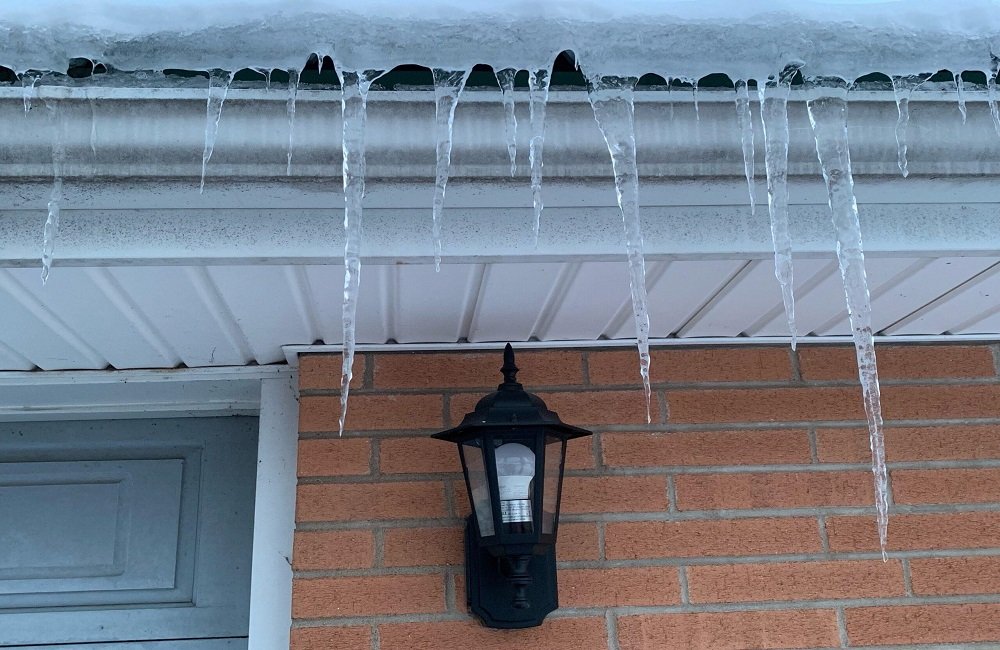
Winter can be beautiful, but it also brings challenges—especially when snow piles up on your roof. Excess snow and ice can cause damage, from leaks to structural strain, if left unchecked. The good news is that keeping your roof clear doesn’t have to be complicated or dangerous.
In this guide, we’ll share 7 easy and practical tips for safely removing snow from your roof, helping you protect your home and maintain peace of mind all winter long. Whether you’re dealing with light dustings or heavy snowfall, these strategies make roof maintenance simpler and safer for everyone.
How To Get Snow Off Your Roof
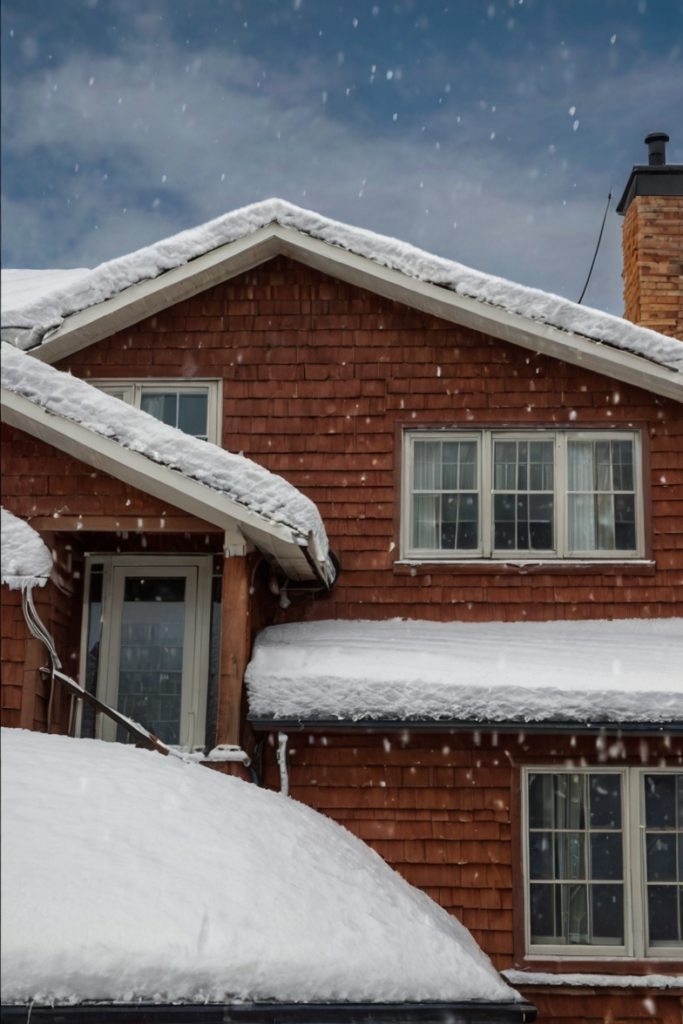
During the winter, it’s important to keep your roof free of heavy snow just as much as your driveway or walkways. While a few inches of snow are usually fine, excessive accumulation increases the risk of ice dams, which can damage shingles and gutters.
The following tips show safe and effective ways to remove snow from your roof without causing damage.
1. Use a Roof Rake
A roof rake is a long-handled tool designed to safely remove snow from rooftops. It works like a shovel on a pole, allowing you to scrape snow from the roof while standing on the ground.
Keeping the snow layer to around one or two inches helps prevent ice dams from forming near your gutters. Look for roof rakes with protective features, like wheels, to avoid scratching or damaging your shingles.
2. Calcium Chloride Tablets
Calcium chloride tablets are an effective chemical solution for melting snow and ice. Unlike regular salt, they won’t stain or harm your roof.
Apply the tablets carefully, and avoid areas accessible to pets, as some formulations may be harmful. This method reduces manual labor while still clearing snow effectively.
3. Steam Snow Removal
For heavy snow or ice buildup, steam machines can quickly melt layers of snow and ice using hot water vapor. Professional roofers commonly use this method to prevent ice dams, but smaller steamers are available for rental or purchase.
Hiring a professional may cost more than a DIY approach, but it ensures the job is done safely and efficiently.
4. Heating Cables
Heating cables are installed along the roof and plugged into a power source to melt snow and ice as it forms.
While they may slightly impact energy bills and affect the look of your roof, they are a low-maintenance solution for preventing ice dams and snow accumulation.
5. Don’t Walk on Your Roof
Avoid climbing onto your roof during winter, even with proper footwear. Snow and ice make the surface extremely slippery, increasing the risk of injury.
Instead, rely on tools like roof rakes or calcium chloride tablets from the ground. If these aren’t sufficient, contact a professional roofing contractor.
6. Don’t Use Brooms or Mallets
Using household items like brooms, shovels, or mallets can damage shingles. Hard brushing can wear away granules, and striking ice with a mallet or hammer can crack shingles.
Stick to recommended tools and techniques to protect your roof while removing snow.
7. Leave a Thin Layer of Snow
It may seem counterintuitive, but leaving about an inch of snow on your roof helps protect shingles from damage. Scraping down to bare shingles can lead to granule loss.
Removing the bulk of the snow while leaving a thin layer balances safety with roof protection.
Why Do You Need To Get Your Snow Off Your Roof?
Snow on your roof may seem harmless, especially when it’s fluffy and white, but it can actually pose serious risks if it’s not addressed promptly. One of the main concerns is weight. As snow accumulates, it adds significant pressure on your roof structure. Even well-built roofs have limits, and heavy snow can cause sagging, cracks, or, in extreme cases, structural failure. This risk increases when snow becomes compacted or turns to ice, which is much denser and heavier than fresh snow.
Another major issue is ice dams. When heat escapes from your home and melts the snow on your roof, the water can refreeze at the edges, forming ice dams. These ice formations prevent proper drainage, forcing water to seep under shingles and into your home. This can lead to leaks, damaged insulation, mold growth, and other costly repairs.
Additionally, snow and ice can create safety hazards. Icicles can fall unexpectedly, posing a risk to anyone walking near your home. Heavy snow sliding off a roof can also damage gutters, landscaping, or vehicles parked below.
By regularly removing snow from your roof, you’re not just protecting your home’s structure—you’re also preventing water damage, minimizing repair costs, and keeping your family and property safe. Taking the time to clear snow properly is a proactive step that saves stress, money, and headaches in the long run.