
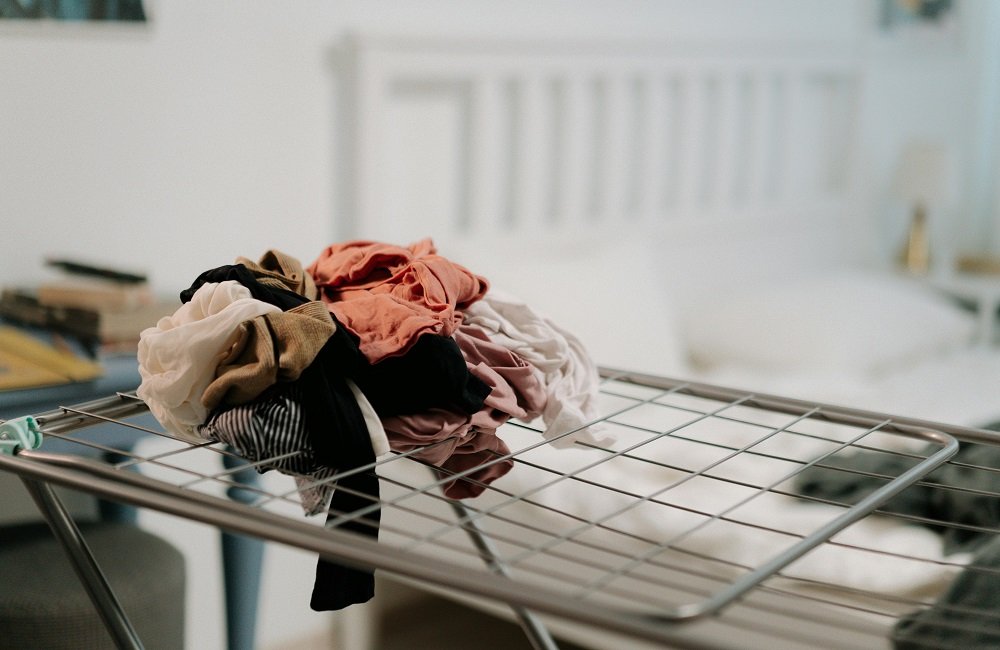
Even though doing laundry isn’t the most thrilling duty, if you know how to do it well, you can save a ton of time, money, and worry, especially if you’re a busy professional, college student, or new mom.
Sorting your laundry efficiently keeps your items looking better for longer, improves the performance of your washing machine, and protects you from unpleasant shocks like shrinking sweaters or color bleeding. These are 10 vital pointers for organizing laundry effectively.
Separate Light and Dark Colors
Combining light and dark colors when sorting clothes is one of the most frequent blunders made. Fabric damage and color bleeding may result from this. To prevent any accidents, always keep your whites and bright colors apart from your dark hues. For example, avoid wearing black jeans, navy sweaters, and red T-shirts with your white shirts, pastel blouses, and beige slacks. You may avoid the heartache of finding out that your beloved white t-shirt has gone pink by doing this easy step.
Avoid Overloading the Washing Machine
It’s tempting to stuff the washing machine to the brim to save time, but overloading it can result in inefficient cleaning and increased wear on the machine. Clothes need space to move around for the detergent to clean them properly. Overloading can also lead to increased friction, causing fabric damage. Always abide by the manufacturer’s load recommendations for optimal cleaning results.
Check Pockets Before Washing
We’ve all been there—pulling out a load of laundry only to find a ballpoint pen has leaked all over your clothes or a tissue has disintegrated into tiny pieces. Always check the pockets of your clothes before tossing them into the machine. This will prevent any items from causing damage to your clothes or the machine.
Wash Delicates Separately
Items with zippers, hooks, and rough textures can easily snag and tear delicate fabrics. To prevent this, wash your delicate items separately. Use mesh laundry bags to add an extra layer of protection for items like lingerie, silk shirts, and lace garments. For added care, use the delicate or gentle cycle and cold water.
Pre-treat Stains
The efficacy of stain removal may be decreased if badly stained goods are ignored and cleaned with ordinary clothing. Use a stain remover or common home materials like vinegar or baking soda to pre-treat stains as soon as they appear. Before washing, let the pre-treatment rest for a few minutes. By using this technique, you may greatly increase the success rate of stain removal.
Follow Care Label Instructions
Care labels exist for a reason. They provide essential information on how to wash, dry, and iron your clothes. Ignoring these instructions can lead to shrinkage, stretching, or fabric damage. Always take a moment to read and follow the care labels on your garments to ensure they last longer.
Use Correct Detergent Amount
It might seem like using more detergent would make your clothes cleaner, but that’s far from the truth. Using too much detergent can leave residue on clothes and in the washing machine, causing fabric stiffness and potential machine damage. Follow the instructions on the detergent packaging for the right amount to use based on the load size and soil level.
Clean the Washing Machine Regularly
Bacteria and mold may grow in a filthy washing machine, producing bad odors and less effective cleaning. Develop the routine of routinely cleaning your washing machine. To maintain it clean and in good working order, run an empty cycle with hot water and a cup of white vinegar or a washing machine cleanser.
Choose the Right Water Temperature
Using the wrong water temperature can cause fabric damage or ineffective cleaning. Hot water is great for whites and heavily soiled items but can shrink or fade certain fabrics. Cold water is gentler on clothes and is often sufficient for most loads. For the best results, follow the care label instructions and use the appropriate water temperature for each type of fabric.
Mind Your Drying Techniques
High heat can shrink clothes, damage elastic fibers, and fade colors. Instead, air-dry delicate items, or use the low-heat setting on your dryer for other clothes. Ignoring fabric softeners and dryer sheets can also lead to static cling, rough fabrics, and increased wear and tear. These products help maintain the softness and longevity of your clothes.
Use Fabric Softener and Dryer Sheets
Your clothes will wear out faster if you ignore fabric softeners and dryer sheets since they might cause static cling and rough materials. Static may be decreased and your clothing will feel softer using fabric softener. In addition to providing comparable advantages, dryer sheets may give your laundry a nice smell. Select the option that improves the quality of your laundry by best meeting your requirements and preferences.
Protect Your Clothes
Take extra care of your clothes to prolong their lifespan. Turn dark or brightly colored garments inside out to prevent fading and wash them separately to avoid color transfer. Use a mesh laundry bag for delicate items and fasten all buttons, zippers, and hooks before washing to prevent damage.
Upgrade Your Laundry Routine
In addition to using the right products and techniques, you can upgrade your laundry routine by investing in high-quality detergent and stain-removing products. Consider adding essential oils or scent boosters to enhance the fragrance of your laundry. You may also want to invest in a sturdy drying rack for air-drying clothes or a garment steamer for removing wrinkles without damaging fabrics
Don’t Leave Wet Clothes in the Machine
If you leave damp items in the washing machine, mildew and unpleasant smells can grow and infect your freshly cleansed clothes. Try to take the garments out of the washer as soon as the cycle is finished to prevent this. If you are unable to shift them right away, think about doing one additional spin cycle to get rid of as much moisture as you can. You can also run an empty cycle with hot water and a cup of vinegar to get rid of any remaining smells from your machine for a fast refresh. By avoiding needless wear and tear, you may extend the life of your garments and maintain a fresh scent by adopting the habit of putting your laundry in the dryer or hanging it up as soon as possible.
Once the washing cycle is complete, promptly remove your clothes from the washing machine. Leaving wet clothes sitting in the machine can cause mildew and unpleasant odors. If possible, set a timer to remind yourself when the cycle is done, so you can transfer your clothes to the dryer or hang them up to dry immediately.
Conclusion
Sorting laundry well helps to extend the life of your materials and washing machine in addition to keeping your garments looking their best. Make every load as efficient as possible by keeping colors apart, without overloading, inspecting pockets, and according to care instructions. Remember to use the appropriate quantity of detergent, pretreat stains, and clean your washing machine on a regular basis. You can maintain your clothes in top shape and simplify laundry day by implementing these strategies into your routine.
These techniques will help you accomplish effective laundry sorting and care, whether you’re a busy professional juggling numerous tasks, a new mom, or a college student handling personal chores for the first time. Have fun doing the laundry!