
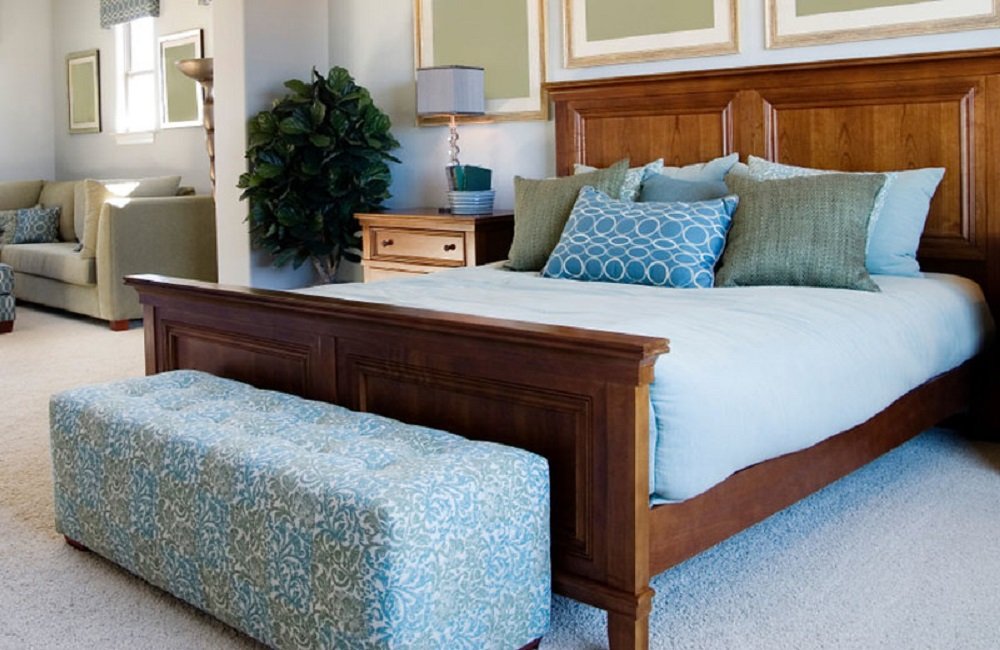
In a relationship, having your spouse share a bedroom can be one of the most fulfilling experiences. It does, however, also present a special set of difficulties. Finding the right balance between personal space and shared living can be challenging, whether you’re just married or have been living together for a long time.
The goal of this blog article is to offer helpful advice and thoughts on how to furnish a peaceful, cozy bedroom that meets the demands of both couples. We’ll go over everything you need to know to turn your shared apartment into a haven for the two of you, from handling varying sleep schedules to making the most of available space.
Challenges and Benefits of Sharing a Bedroom
One private part of cohabitation that can improve your relationship is sharing a bedroom. The advantages include closer relationships, better communication, and stronger emotional stability. Sharing a bedroom, however, can provide additional difficulties like juggling conflicting sleep habits, coordinating personal styles, and preserving privacy.
The first step to establishing a more peaceful living environment is realizing these advantages and difficulties. By using the appropriate techniques, sharing a bedroom can become a fulfilling experience that strengthens your bond.
Setting Boundaries and Communicating Openly
Establishing clear limits and having honest conversations with your partner is one of the most important parts of sharing a bedroom. This entails discussing each other’s wants, preferences, and habits in an honest and open manner. A dimmer or sleep masks can be purchased as a compromise, for instance, if one person wants total darkness while the other requires some light to fall asleep. It’s crucial to have a conversation about personal space in the shared area, including deciding on quiet periods for alone time or assigning distinct spaces for each person’s possessions.
Optimizing Space for Comfort
Making the most of available space is essential to establishing a cozy living area in any shared living arrangement. This is particularly true in bedrooms, where furniture and personal items may quickly clutter the space. Investing in multipurpose furniture, like storage beds or under-bed organizers, can help you maximize your available space. To clear more floor space, you may also use wall shelves and hanging organizers. Regular decluttering can also maintain the space organized and foster a calmer atmosphere.
Finding Common Ground for Design
A further benefit of sharing a bedroom is the ability to combine different styles into a unified look. Finding a middle ground that suits both of your preferences and personalities may need some compromise. Think about using color palettes or decorative embellishments to bring aspects of each person’s taste into the space. Couples might enjoy spending time together while working on the design.
Establishing Rules and Respect
Respecting each other’s personal space and boundaries is another aspect of sharing a bedroom. This involves establishing guidelines for guests, loudness, and personal space. It’s critical to follow these guidelines consistently and to express them in an amicable and kind manner. This will guarantee that both roommates are at ease in their shared area and foster a spirit of respect for one another.
Finding Balance Between Together Time and Alone Time
Living with someone in close quarters can be challenging, especially when it comes to finding balance between spending time together and having alone time. It’s important to have open conversations about this balance and understand each other’s needs. Setting designated times for together time and alone time can also be helpful in maintaining a healthy dynamic.
Tips for Optimizing Bedroom Space
When space is limited, creativity becomes essential. Here are some tips to help you make the most of your shared bedroom:
Creative Storage Solutions
Shared closets can quickly become cluttered. Invest in dual-purpose furniture like ottomans with storage space or beds with built-in drawers. Use vertical space efficiently by installing shelves and hooks. Consider under-bed storage bins for items you don’t use daily.
Arranging Furniture for Comfort
Maximizing space doesn’t mean sacrificing comfort. Arrange furniture to create an open and functional layout. Place the bed against a wall to free up floor space. Use smaller bedside tables that offer storage without taking up too much room.
Utilizing Multi-functional Pieces
Opt for furniture that serves multiple purposes. A desk that doubles as a vanity or a bookshelf that acts as a room divider can save space and add functionality. Multi-functional furniture helps keep the room organized while providing the necessary storage.
Strategies for Balancing Different Sleep Schedules
Different sleep schedules can be a significant source of conflict. Here are some strategies to help you manage:
Using Room Dividers or Curtains
Room dividers or curtains can create a sense of privacy and minimize disturbances. They are especially useful if one partner needs to stay up late working or watching TV while the other wants to sleep.
Noise Control
Invest in noise-canceling headphones or earplugs to help mitigate noise disturbances. White noise machines can also create a calming environment that drowns out disruptive sounds.
Light Control
Consider blackout curtains to block out light, especially if one partner is sensitive to it. Installing dimmable lights can also help create a sleep-friendly environment without compromising the needs of the other partner.
Personalization and Compromise
Both partners should feel at home in their shared space. Here’s how to achieve that:
Decorating Tips
Choose a neutral base for the room and add personalized touches through accessories like throw pillows, artwork, and rugs. This approach allows both partners to express their style without clashing.
Navigating Style Differences
Compromise is key. If one partner loves modern decor and the other prefers a more rustic look, find a middle ground. Mix and match elements from both styles to create a cohesive and personalized space.
Shared Vision Board
Create a shared vision board where both partners can pin ideas and inspirations. This collaborative approach ensures that both of you have a say in the room’s decor and helps avoid conflicts.
Maintaining a Peaceful and Romantic Environment
A well-maintained bedroom contributes to a peaceful and romantic atmosphere. Here’s how to achieve that:
Keeping the Bedroom Tidy
Clutter can be stressful. Make it a habit to tidy up regularly. Use baskets or bins to keep items organized and out of sight. A clean bedroom sets the stage for relaxation and intimacy.
Incorporating Romantic Touches
Add elements that foster romance, like soft lighting, scented candles, and cozy textiles. These small touches can transform your bedroom into a romantic retreat.
Setting Boundaries
Establish rules about what belongs in the bedroom. For example, consider keeping work-related items out of the room to create a space solely dedicated to relaxation and connection.
Effective Communication About Shared Space
Open and honest communication is crucial for maintaining harmony in a shared bedroom.
Discussing Individual Needs
Set aside time to discuss your individual needs and preferences. Whether it’s about sleep schedules, decor, or storage, understanding each other’s needs can help you find workable solutions.
Regular Check-ins
Schedule regular check-ins to address any issues or changes. This proactive approach can help you resolve problems before they escalate and ensure that both partners feel heard.
Creating a Safe Space
Make sure that both partners feel comfortable expressing their thoughts and concerns. A safe and supportive atmosphere encourages honest communication and fosters a stronger relationship.
Managing Clutter and Personal Items
A clutter-free environment is essential for peace of mind. Here’s how to manage clutter and personal items effectively:
Minimizing Clutter
Adopt a minimalist mindset. Only keep items that you both need and use regularly. Declutter regularly to keep the space organized and functional.
Organizational Tips
Use organizers for drawers and closets to keep personal items sorted. Label storage containers to make finding things easier. An organized space reduces stress and makes daily life smoother.
Shared Belongings
For shared items, designate specific spots where they belong. This ensures that both partners know where things are and helps keep the room neat.
Handling Conflicts Over Space and Privacy
Conflicts over space and privacy are common but manageable. Here’s how to handle them:
Resolving Disagreements
Approach disagreements with empathy and a willingness to compromise. Discuss potential solutions calmly and respectfully.
Finding Balance
Strike a balance between shared and personal areas. Ensure that both partners have designated spaces for their belongings and activities.
Respecting Boundaries
Set and respect boundaries to maintain harmony. Understand that needing personal space is normal and healthy for any relationship.
Creating a Routine for Shared Responsibilities
A routine for shared responsibilities ensures that both partners contribute to maintaining the bedroom.
Dividing Chores Fairly
Divide household chores evenly to prevent resentment. Create a chore chart if necessary to keep track of responsibilities.
Establishing a Routine
Establish a routine that works for both partners. This could involve setting specific times for tidying up or rotating tasks weekly.
Flexibility
Be flexible and willing to adjust the routine as needed. Life can be unpredictable, and flexibility helps you adapt without stress.
Final Thoughts
It can be gratifying and deepen your relationship to share a bedroom with your spouse. You may make an environment that is peaceful and cozy by making the most use of available space, coordinating sleep schedules, adding your own touches to the décor, and keeping lines of communication open. Keep in mind that overcoming the difficulties of shared living requires understanding and willingness to compromise. With these pointers, we hope to assist you in creating a tranquil and lovely common area.