
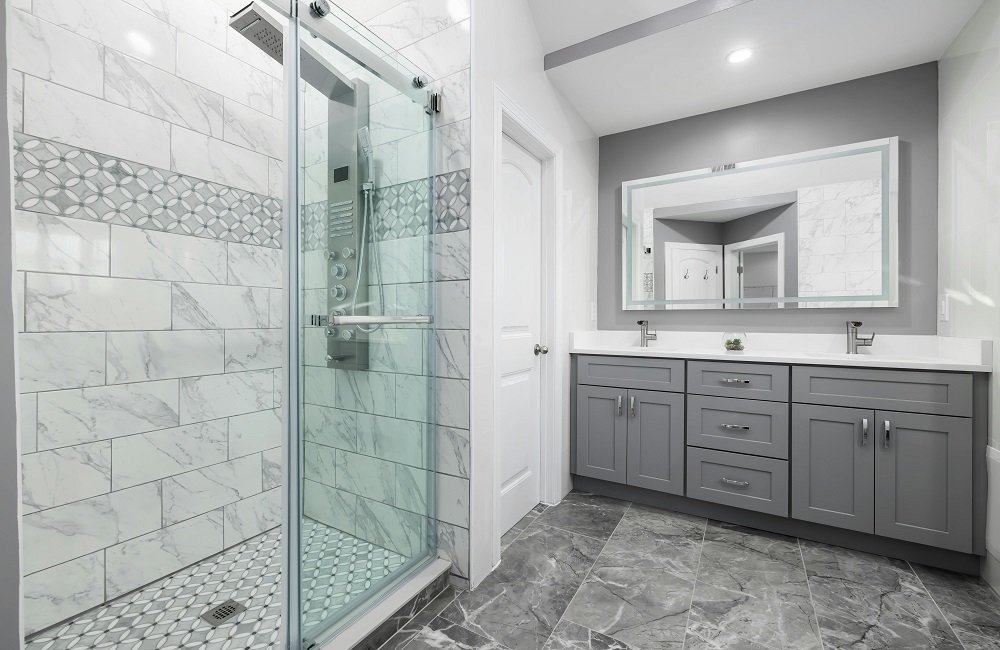
Although remodeling your bathroom is an exciting endeavor, if you’re not prepared, it may easily become overwhelming. It’s important to understand what you’re getting into before you start, whether you’re a homeowner hoping to improve for comfort, a do-it-yourself enthusiast looking for a new challenge, or a fan of bathroom design hoping to create a spa-like hideaway.
Venturing forward without adequate preparation might result in expensive errors and needless anxiety. You may prepare the space for a successful bathroom makeover with the aid of this advice.
Setting a Realistic Budget
Establishing a reasonable budget is one of the first tasks in any renovation job. You should include in labor and material expenditures in your budget. Because bathrooms are special places, they call for certain finishes and fittings, which may get expensive fast. Regarding what you can afford, be truthful with yourself. Divide your budget into areas like labor, flooring, fixtures, and plumbing as a general rule of thumb. If you have a budget between $5,000 and $20,000, be sure to set aside enough money for the makeover to cover all essential expenses.
Research and Plan Your Design
Design is where functionality meets aesthetics. Start by researching different bathroom styles and trends to identify what appeals to you. Online platforms like Pinterest and Houzz can be great sources of inspiration. Consider what works best for your space. Are you drawn to a modern, minimalist look, or do you prefer something more traditional? Think about how you use your bathroom daily and what features are most important to you.
Accurate Measurements
Accurate measurements are crucial to avoid complications when fitting new fixtures. Measure your space carefully, and double-check your numbers. This will help you make informed decisions about the size of your new bathtub, vanity, or shower. Using a simple tape measure might seem straightforward, but consider consulting with a professional if you’re unsure. Incorrect measurements can lead to delays and additional costs.
Energy-Efficient Options
Long-term cost savings are another benefit of energy efficiency, in addition to its positive effects on the environment. Seek out energy-saving fixtures like showerheads, faucets, and toilets with low flow rates. With these choices, you may cut back on water use considerably without compromising functionality. To further reduce utility costs, think about implementing energy-efficient ventilation systems and LED lights.
Permits and Building Codes
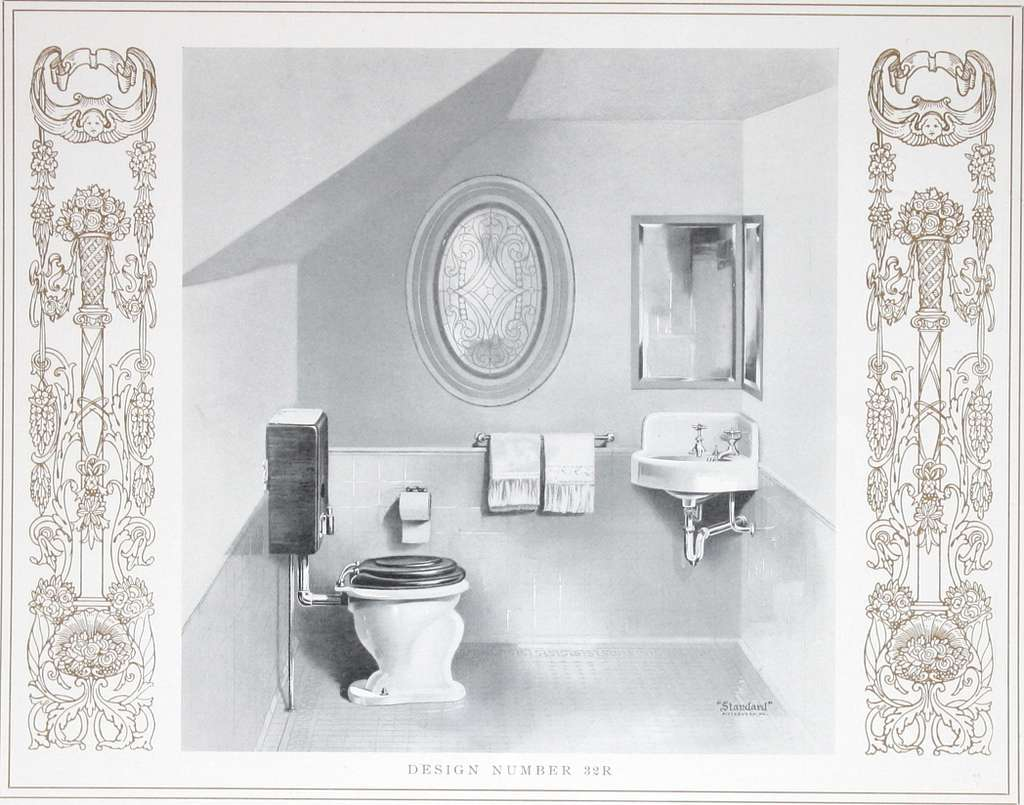
Before you begin any significant renovation, ensure you have the proper permits and understand local building codes. Failing to secure the necessary permits can lead to fines or even having to undo completed work. Building codes are in place to ensure safety and compliance with local regulations. Check with your local building department to find out what permits are required for your project.
Quality Materials
Bathrooms are high-moisture environments, so it’s essential to choose quality materials that can withstand these conditions. Opt for moisture-resistant drywall, water-resistant flooring, and durable countertops. Investing in high-quality materials will not only enhance the look of your bathroom but also ensure it lasts longer and requires less maintenance.
Contingency Plan
No matter how well you plan, unexpected expenses can arise. It’s wise to set aside at least 10% of your total budget as a contingency fund. This buffer can help cover any surprises, such as hidden water damage or unforeseen structural issues. Being prepared for the unexpected will make the renovation process smoother and less stressful.
Professional Help vs. DIY
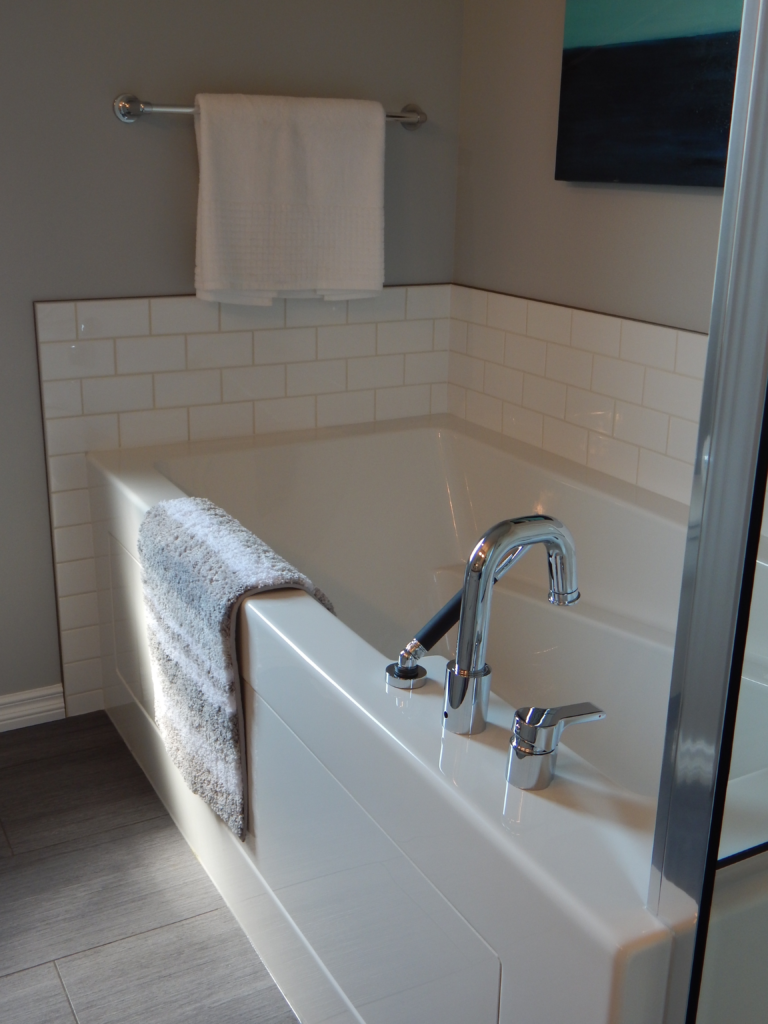
A crucial choice is whether to work with professionals or do the makeover on your own. Although doing it yourself might reduce costs, it can also be difficult and time-consuming. Take into account both the difficulty of the job at hand and your degree of ability. While hiring a contractor will increase the cost of the project, it can guarantee that it is completed accurately and quickly. Analyze the benefits and drawbacks to decide which course of action is best for you.
Project Timeline
A well-planned timeline is essential to keep your project on track. Start by mapping out each phase of the remodel, from demolition to the final touches. Factor in the time needed to order materials, which can vary depending on availability. Be realistic about how long each step will take, and build in some flexibility for any delays or issues that may arise.
Attention to Details
Never undervalue the importance of small things like ventilation, illumination, and storage. Your bathroom’s atmosphere and usefulness may be improved with the right lighting. To create a well-balanced and welcoming atmosphere, think about combining accent, ambient, and task lighting. Medicinal cabinets and built-in shelves are two examples of storage options that may keep your bathroom neat and clutter-free. Installing an exhaust fan big enough for your bathroom is essential for maintaining proper ventilation, which is essential for preventing the growth of mold and mildew.
Accessibility
It is important to design a bathroom that can serve all users, particularly if you intend to age in place. Enhancements to accessibility and safety might include walk-in showers, grab bars, and non-slip flooring. These upgrades can improve everyone’s comfort in the bathroom and raise the value of your house when it comes time to sell.
Ventilation
Proper ventilation is crucial to maintain a healthy bathroom environment. It helps prevent mold and mildew, which can cause respiratory issues and damage your bathroom’s surfaces. Consider installing an exhaust fan with a timer or humidity sensor to ensure your bathroom stays dry and fresh.
Maintenance
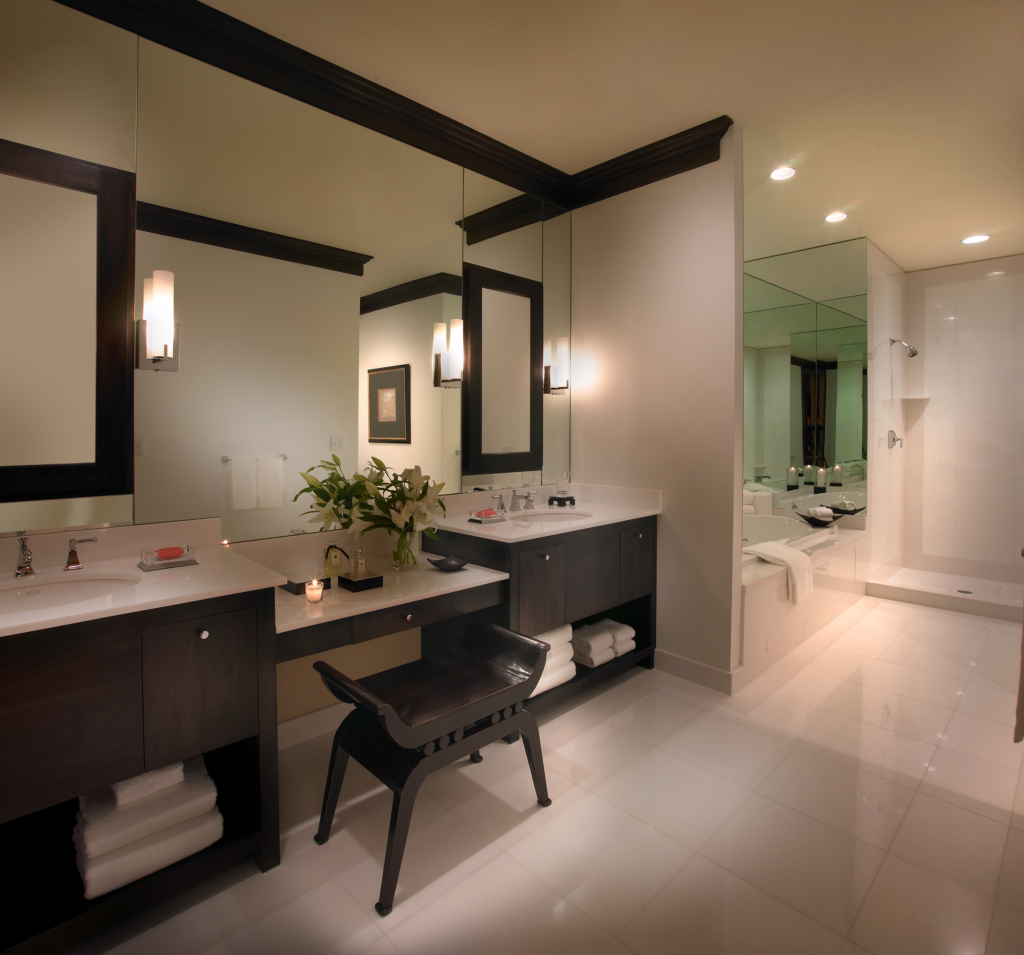
Choose materials and fixtures that are easy to clean and maintain. This can save time and effort in the long run, keeping your bathroom looking new. For example, opt for grout that resists stains and mold, and select fixtures with finishes that are easy to wipe down.
Smart Features
Modern technology offers innovative solutions for your bathroom. Explore smart features like digital shower controls, smart mirrors, and automated lighting. These additions can add convenience and enhance your bathroom experience, making it more enjoyable and efficient.
Future-Proofing
Think about potential future needs or changes when designing your bathroom. Planning with flexibility in mind can make it easier to adapt your bathroom as your needs evolve. For instance, consider installing a handheld showerhead that can be used by people of all heights and abilities.
Design Consistency
Ensure that all design elements, including fixtures, tiles, and colors, are cohesive and harmonize with the overall aesthetic of your home. A well-coordinated design can make your bathroom feel more spacious and luxurious. Choose a color palette and stick to it, incorporating different textures and finishes to add interest.
Water Pressure
Check the water pressure in your existing plumbing system to ensure it can support new fixtures, especially if you’re upgrading to high-flow models or adding features like multiple shower heads. Low water pressure can affect the performance of your fixtures and reduce the overall enjoyment of your bathroom.
Final Thoughts
A well-planned bathroom renovation must take a number of variables into account. You may design and build a beautiful, practical bathroom that fits your needs by researching design elements like accessibility, ventilation, and upkeep, as well as by sticking to a reasonable budget.
Remember to think about future-proofing and smart features to make sure your bathroom is functional and comfortable for many years to come. Making the right preparations can help you realize your dream bathroom, whether you decide to do it yourself or hire experts.